
Every breach starts with a blind spot. In 2025, exploitation of vulnerabilities as an initial attack vector grew 34% year-over-year, and attackers were weaponizing newly disclosed flaws within hours of publication. Meanwhile, the average organization took 55 to 74 days to patch critical flaws, and in some industries, that window stretched beyond 100 days.
Yet, many tools focus on ticking boxes rather than uncovering real threats, leaving teams drowning in noise instead of fixing high-impact flaws.
This is where vulnerability assessment and penetration testing (VAPT) tools come in. But here’s the catch: many are designed for compliance rather than real security. In contrast, others generate so much noise that security teams are stuck sifting through false positives instead of fixing critical flaws. The real question isn’t whether you need VAPT but whether you’re using it correctly.
10 Best VAPT Testing Tools
- Astra Security
- Burp Suite
- Intruder
- Nessus
- Acunetix
- ZAP
- Nmap
- Vega
- Wireshark
- Nikto

What are VAPT Testing Tools?
VAPT Testing tools, or Vulnerability Assessment and Penetration Testing tools, combine two disciplines: vulnerability assessment (systematically finding weaknesses) and penetration testing (actively exploiting those weaknesses to measure real-world impact).
They help identify and exploit vulnerabilities in computer systems, networks, and apps to assess security risks by continuous pentests via PTaaS. Whether you are a security engineer or a company, having an effective arsenal of VAPT tools picked by security experts helps ensure the highest security standards.
Evaluation Criteria:
Accuracy and signal matter more than feature lists. Focus is on choosing tools that minimize false positives and deliver evidence-based findings with reproducible PoC so developers can act, not investigate. Scan coverage and independent benchmark results should also be verified before buying.
Integration, speed of feedback, and human vetting are equally important. Prefer platforms that integrate into CI/CD pipelines and issue trackers while combining continuous automated scans and built-in remediation guidance so fixes are fast and measurable. Request executive-friendly reports, retesting options, and transparent pricing to ensure the tool pays for itself.
10 Best VAPT Tools of 2026 (Comparison)
| Tool | Platform | Best For | False Positives | Compliance | Pricing (starting) | Score |
|---|---|---|---|---|---|---|
| Astra Pentest | SaaS | Holistic VAPT | Zero | CERT-In, PCI-DSS, HIPAA, ISO27001, SOC2 | $1,999/yr | 4.75/5 |
| Burp Suite | Win/Mac/Linux | Web App VAPT | Possible | PCI-DSS, OWASP, HIPAA, GDPR | $449/yr/user | 3.5/5 |
| Intruder | SaaS | Cloud Pentesting | Present | SOC2, ISO 27001 | $1,958/yr | 4.5/5 |
| Nessus | Win/macOS | Compliance VAPT | Possible | HIPAA, ISO, NIST, PCI-DSS | $4,236/yr | 4.5/5 |
| Acunetix | Win/macOS | Automated VAPT | Possible | OWASP, SOC2, NIST, HIPAA, ISO 27001 | Quote only | 4.5/5 |
| ZAP | Cross-platform | OWASP Top 10 | Possible | OWASP Top 10 | Free (open source) | 4.0/5 |
| Nmap | Cross-platform | Network VAPT | Possible | Limited | Free (open source) | 3.5/5 |
| Vega | Cross-platform | Custom Web VAPT | Possible | Limited | Free (open source) | 3.5/5 |
| Wireshark | Cross-platform | Network Traffic | Possible | Limited | Free (open source) | 3.5/5 |
| Nikto | Cross-platform | Web Servers | Possible | Limited | Free (open source) | 3.5/5 |
1. Astra Security [Get Started]
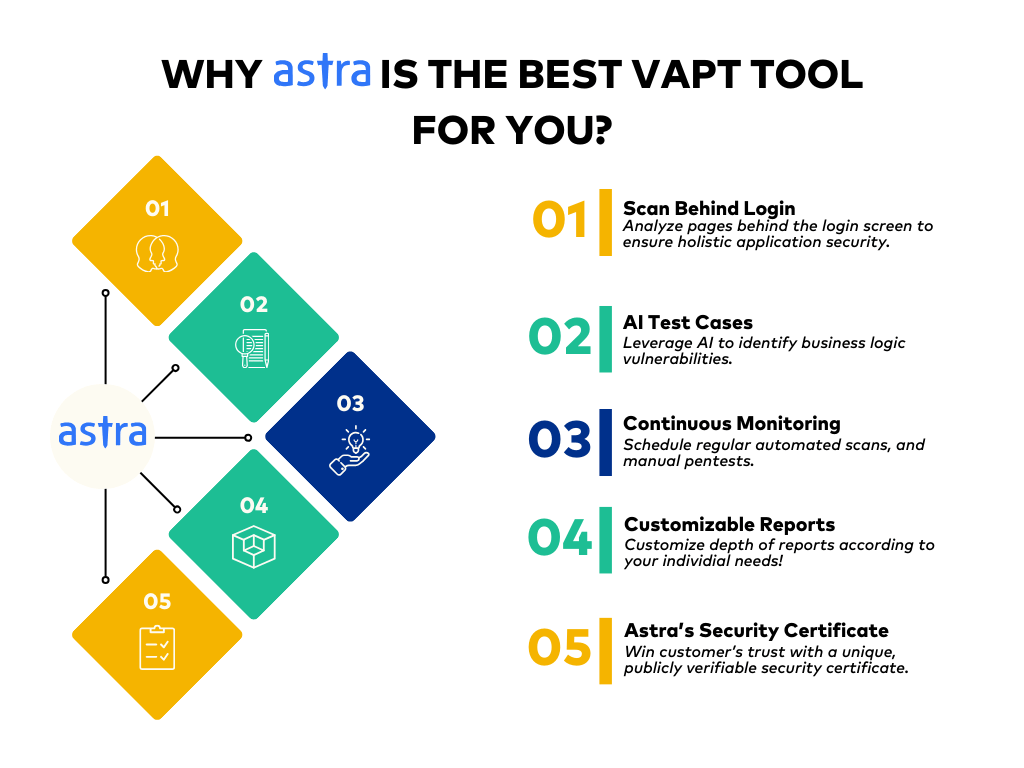
The Astra Security Platform is a comprehensive CERT-In empanelled and CREST-accredited holistic VAPT tool that combines the automated vulnerability scanner with AI and manual pentesting capabilities in compliance with various industry standards, including OWASP TOP 10 and SANS 25.
With 30+ CVEs in our name, our expert-vetted scans ensure zero false positives, and in-depth hacker-style manual penetration tests reveal critical vulnerabilities, such as payment gateway hacks and business logic errors.
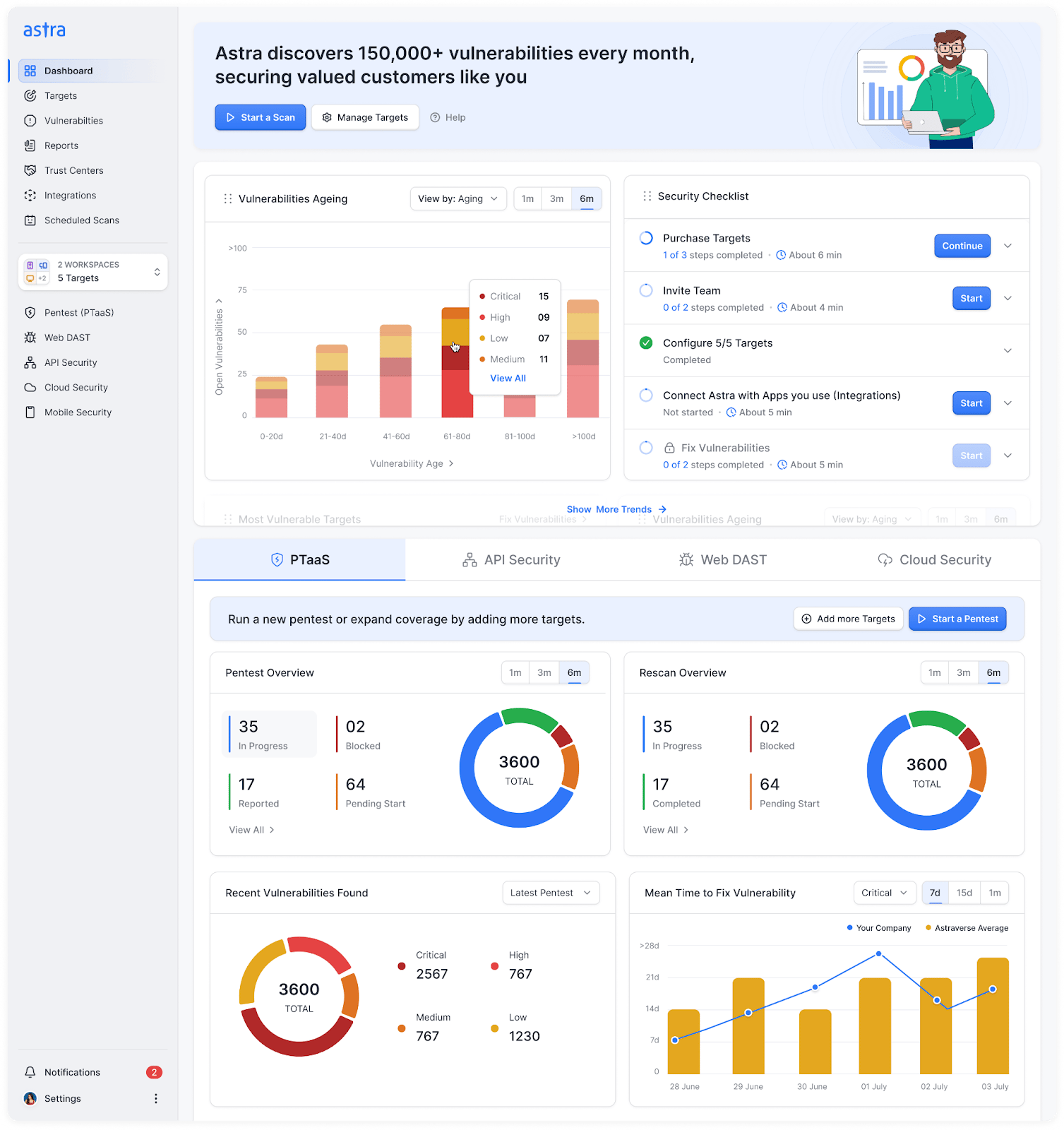
Key Features:
- Platform: SaaS
- Pentest Capabilities: Continuous automated scans with manual tests
- Accuracy: Zero false positives
- Compliance Scanning: CERT-In, PCI-DSS, HIPAA, ISO27001, and SOC2
- Expert Remediation Assistance: Yes
- Workflow Integration: Slack, JIRA, GitHub, GitLab, Jenkins, and more
- Price: Starting at $1999/yr or Rs. 16,000 INR Better pricing, tailored to you. Book a call to unlock it
- Best Suited For: Holistic VAPT across assets
Thus, with a portfolio of 15,000+ automated tests, security experts with certifications in OSCP, CEH, eJPT, eWPTXv2, CCSP (AWS), etc., and 700+ customers across continents, Astra’s Scanner empowers enterprises and security analysts to achieve their security goals.
Pros:
- Seamlessly integrate with your CI/CD pipeline
- Continuously scan for vulnerabilities with regularly updated scanner rules
- Collaborate with security experts with OSCP, CEH & CVEs under their name
- Quick turnaround with GPT-powered chatbot
- Generate custom executive and developer-friendly reports
Limitations:
- Only 1-week free trial is available
Experts Review
Why did we choose Astra Security?
Astra Pentest distinguishes itself through its comprehensive, AI-powered approach in the crowded field of vulnerability assessment and penetration testing (VAPT) tools. We selected Astra VAPT services for its unique combination of automated vulnerability scanning and expert-driven manual penetration testing. This hybrid model ensures broad coverage and deep analysis, uncovering vulnerabilities that automated tools might miss, such as complex business logic flaws.
2. Burp Suite
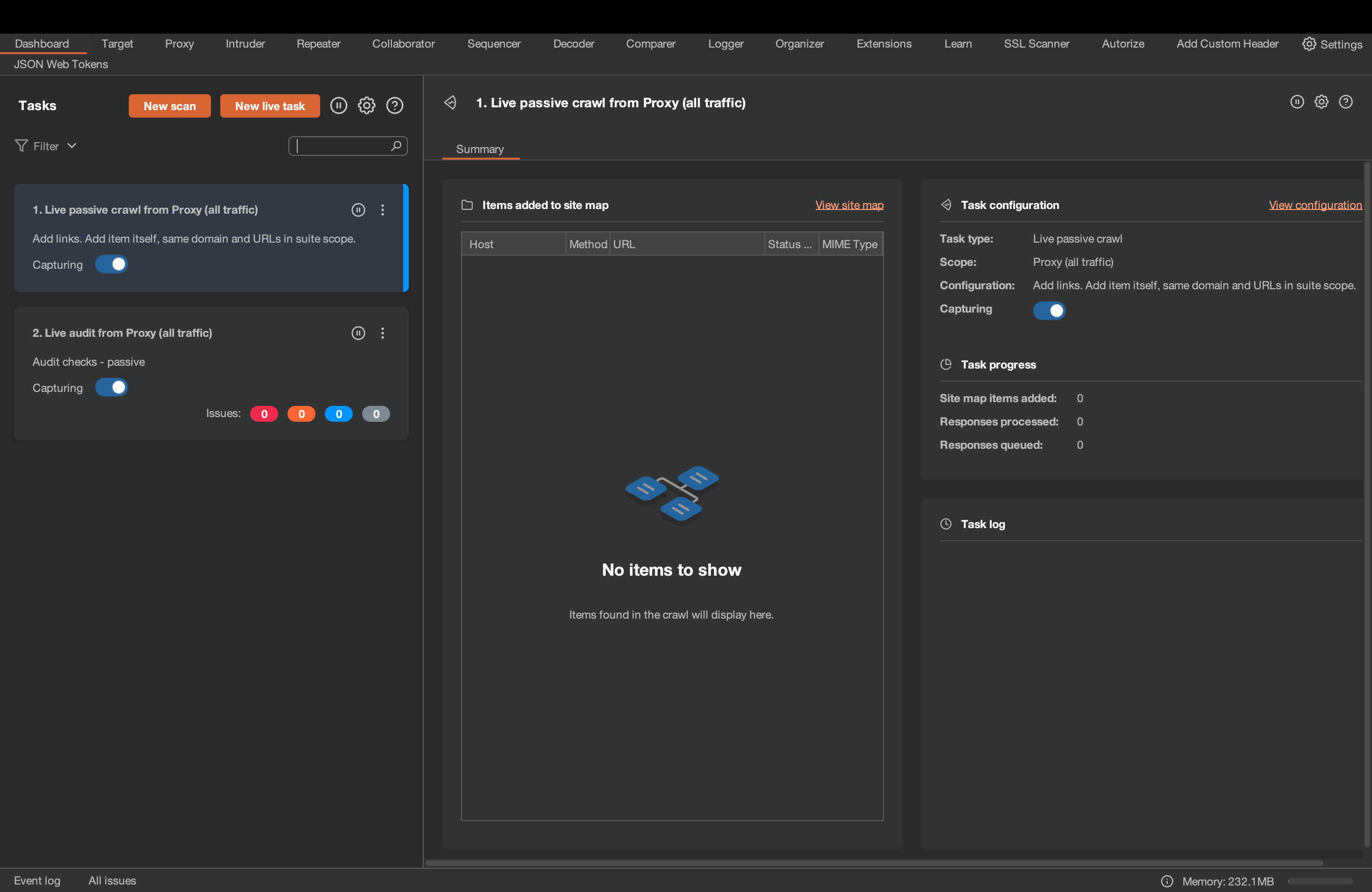
Burp Suite is one of the few web app VAPT tools that offers a variety of manual and automated testing features to identify vulnerabilities. These include intercepting and manipulating web traffic, automating repetitive tasks, fuzzing, and brute-forcing logins.
Key Features:
- Platform: Windows, macOS, Linux
- Pentest Capabilities: Automated and manual scans for web apps
- Accuracy: False positives possible
- Compliance Scanning: PCI-DSS, OWASP Top 10, HIPAA, and GDPR
- Expert Remediation Assistance: No
- Workflow Integration: Slack, JIRA, Jenkins, GitLab, and more
- Price: $449/yr/user
- Best Suited For: Web app VAPT
It effectively detects many common vulnerabilities, including SQL injection, cross-site scripting (XSS), and insecure direct object references (IDORs).
Pros:
- Smooth integration with CI/CD Pipeline
- Offers automated and manual pentesting capabilities
Limitations:
- A few cases of app crashes and socket connection bugs have been reported
- Burp Crawler sometimes misses out on endpoints
Experts Review
Why did we choose Burp Suite?
Burp Suite is a versatile platform offering automated and manual web application testing. Its strength lies in its ability to intercept and manipulate web traffic, enabling detailed analysis and identification of vulnerabilities like SQL injection and XSS. While it may have occasional issues with false positives and endpoint discovery, its wide range of features, including fuzzing and brute-forcing, makes it a popular choice for web application security testing.
3. Intruder
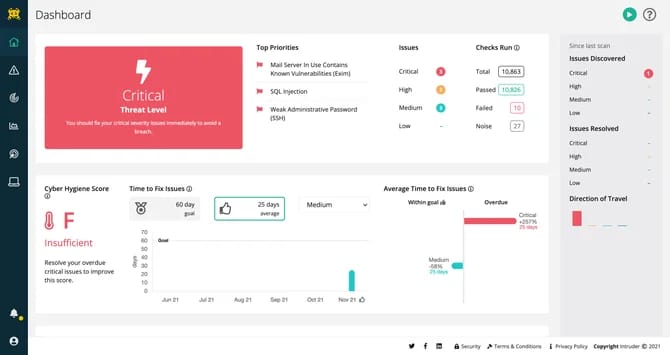
Going beyond traditional vulnerability scanning, Intruder, as an automated cloud-first VAPT testing tool, offers a comprehensive VAPT platform designed primarily for web apps and clouds. Its mature scanner helps uncover critical security bugs before attackers can exploit them.
Key Features:
- Platform: SaaS
- Pentest Capabilities: Websites, servers, and cloud.
- Accuracy: False positives present
- Compliance Scanning: SOC2, and ISO 27001
- Expert Remediation Assistance: No
- Workflow Integrations: GitHub, JIRA
- Cost: Starts at $1958/ year
- Best Suited For: Cloud pentesting
Renowned for their evidence-based formatting, their VAPT reports provide clear remediation steps to promote a proactive cyber risk education strategy.
Searching for robust Intruder.io alternatives and competitors that integrate with CI/CD pipelines and DevOps workflows? Look here.
Pros:
- Easy to deploy and manage alerts
- Designed to support scaling organizations
Limitations:
- The pricing is a bit steep
- Lacks zero false positive assurance.
Experts Review
Why did we choose Intruder?
Intruder is a cloud-based vulnerability scanner that simplifies security assessments for websites, servers, and cloud environments. Its focus on ease of deployment and management, and its ability to scale make it suitable for growing organizations. While it may not offer a zero false positive guarantee, and its pricing can be a consideration, its transparent, evidence-based reporting helps organizations understand and address their security risks effectively.
4. Nessus
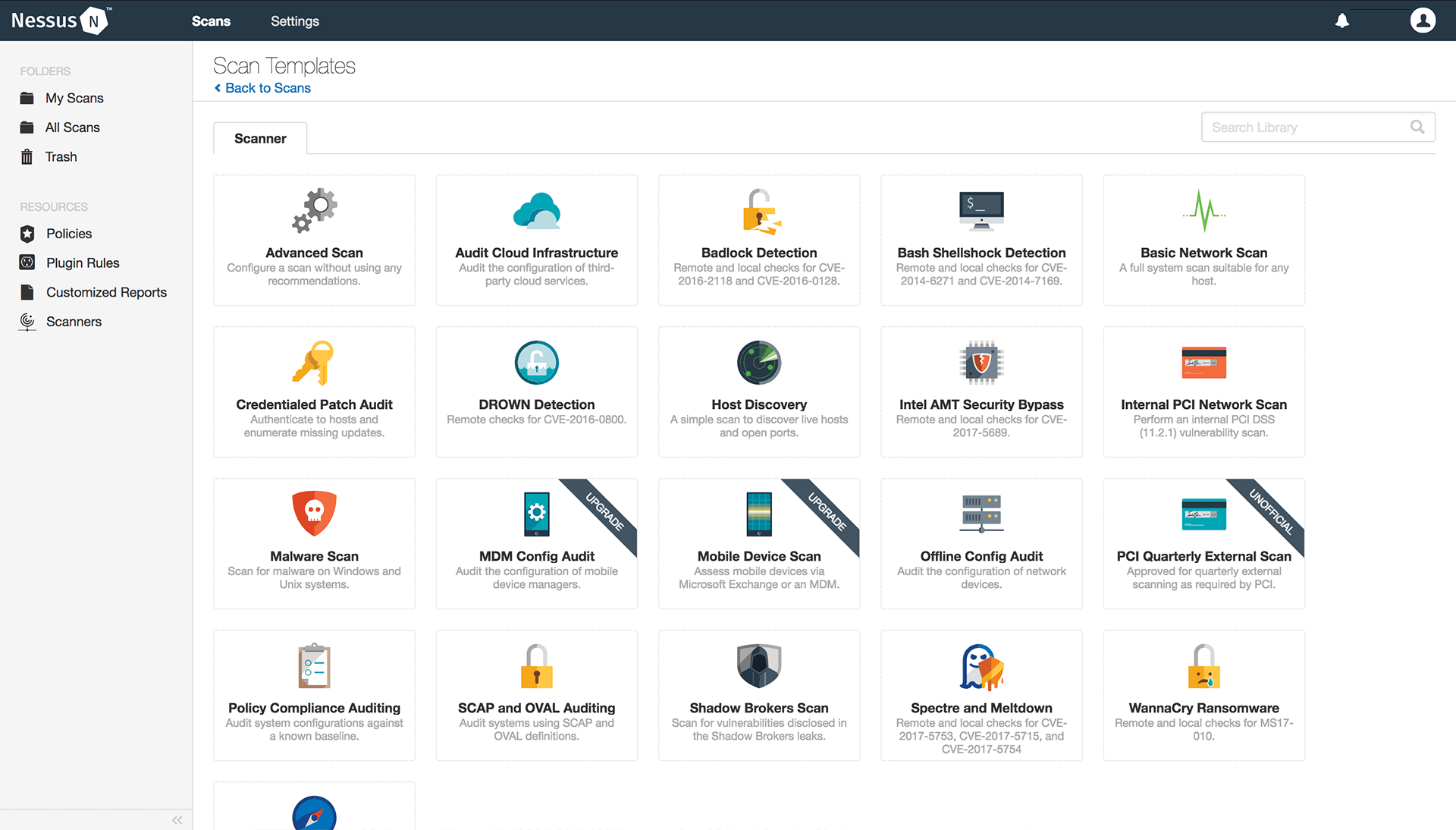
Nessus is a powerful compliance-first VAPT tool from Tenable that simplifies vulnerability identification and assessment across your enterprise’s digital infrastructure. Its extensive vulnerability database and robust automation features empower companies to streamline testing.
Key Features:
- Platform: Windows, macOS
- Pentest Capabilities: Automated vulnerability scans for web apps, mobile & cloud
- Accuracy: False positives possible
- Compliance Scanning: HIPAA, ISO, NIST, and PCI-DSS
- Expert Remediation Assistance Available at extra cost
- Workflow Integration: IBM Security, Splunk, GitHub, and GitLab
- Price: Starting at $4,236/yr
- Best Suited For: Compliance VAPT across assets
More importantly, it offers significant compliance support from ISO to GDPR to help organizations remain compliant throughout the year.
Pros:
- Offers a community version
- Significant automation capacity for scanning and reporting tasks
Limitations:
- Scanning timelines can be inconsistent
- Custom asset tags require separate automation
Experts Review
Why did we choose Nessus?
Nessus, from Tenable, is a vulnerability scanner known for its extensive vulnerability database and comprehensive compliance support. It helps organizations meet industry standards like HIPAA, ISO, NIST, and PCI-DSS. While expert remediation assistance requires an additional cost, its automation capabilities and wide range of integrations make it a valuable tool for compliance-focused vulnerability management.
5. Acunetix
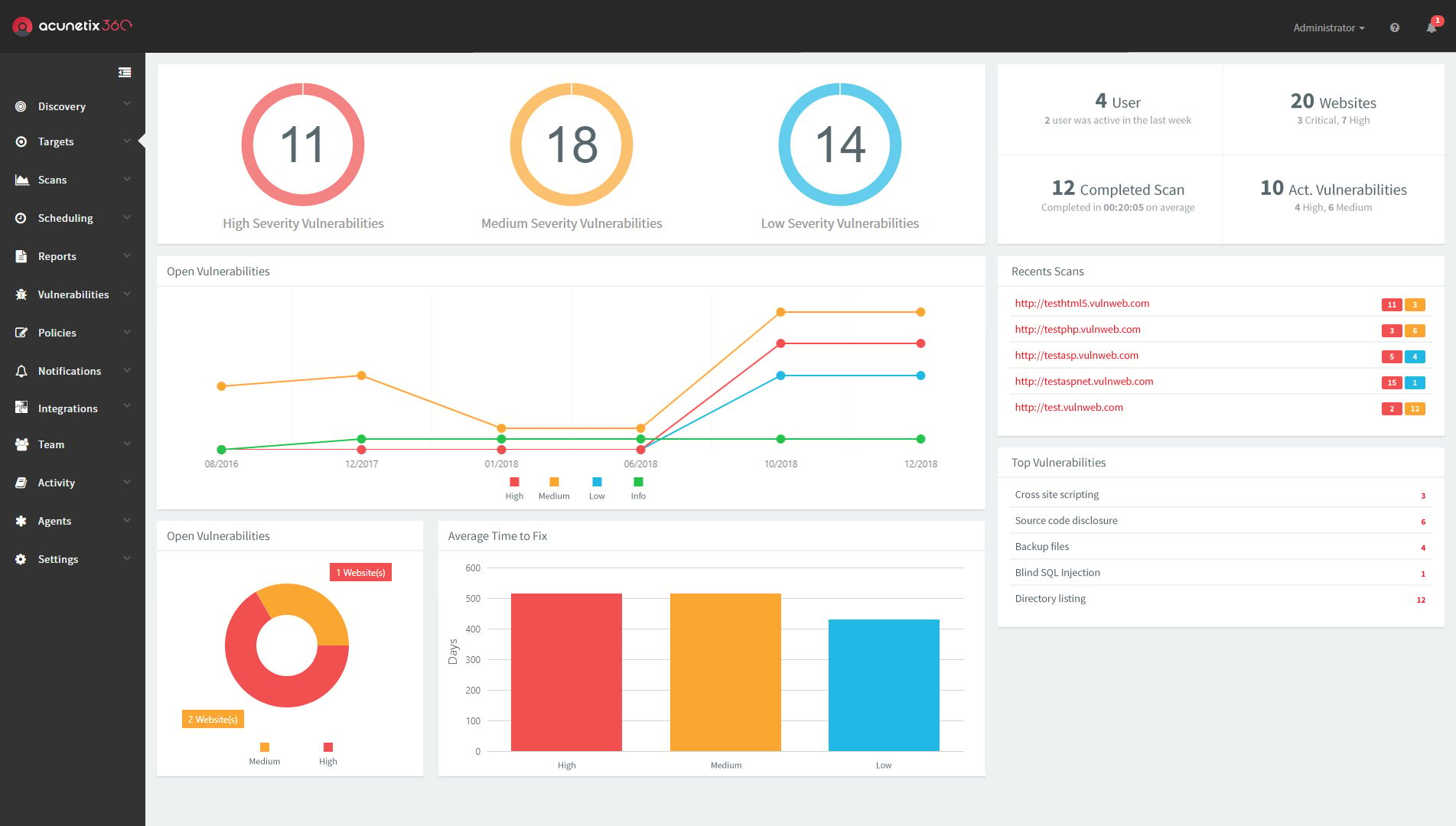
As a popular automated VAPT software, Acunetix automates web vulnerability scanning and efficiently detects over 4,500 vulnerabilities, including SQL injection and XSS scripting variants. It seamlessly integrates with your firm’s IDEs, CI/CD pipelines, and GRC platforms, streamlining workflows.
Key Features:
- Platform: Windows, macOS
- Pentest Capabilities: Continuous automated scanning for web applications
- Accuracy: False positives possible
- Compliance Scanning: OWASP, SOC2, NIST, HIPAA, and ISO 27001
- Expert Remediation Assistance: No
- Workflow Integration: GitHub, JIRA, and Atlassian
- Price: Available on quote
- Best Suited For: Automated VAPT
Further, detailed scan reports by Accunetix empower developers with proof-of-concept examples and clear remediation guidance to address identified security risks swiftly.
Pros:
- Easy to optimize for various platforms
- Simple to navigate and learn
Limitations:
- Vulnerability PoCs can be complex for beginners
- Can generate false positives
Experts Review
Why did we choose Acunetix?
Acunetix is a strong contender for automated web application vulnerability scanning. It efficiently detects a large number of vulnerabilities, including SQL injection and XSS, and its seamless integration with IDEs, CI/CD pipelines, and GRC platforms streamlines workflows. Although the PoCs can be complex, their ease of use and comprehensive scanning capabilities make them a good option for automated security testing.
6. ZAP
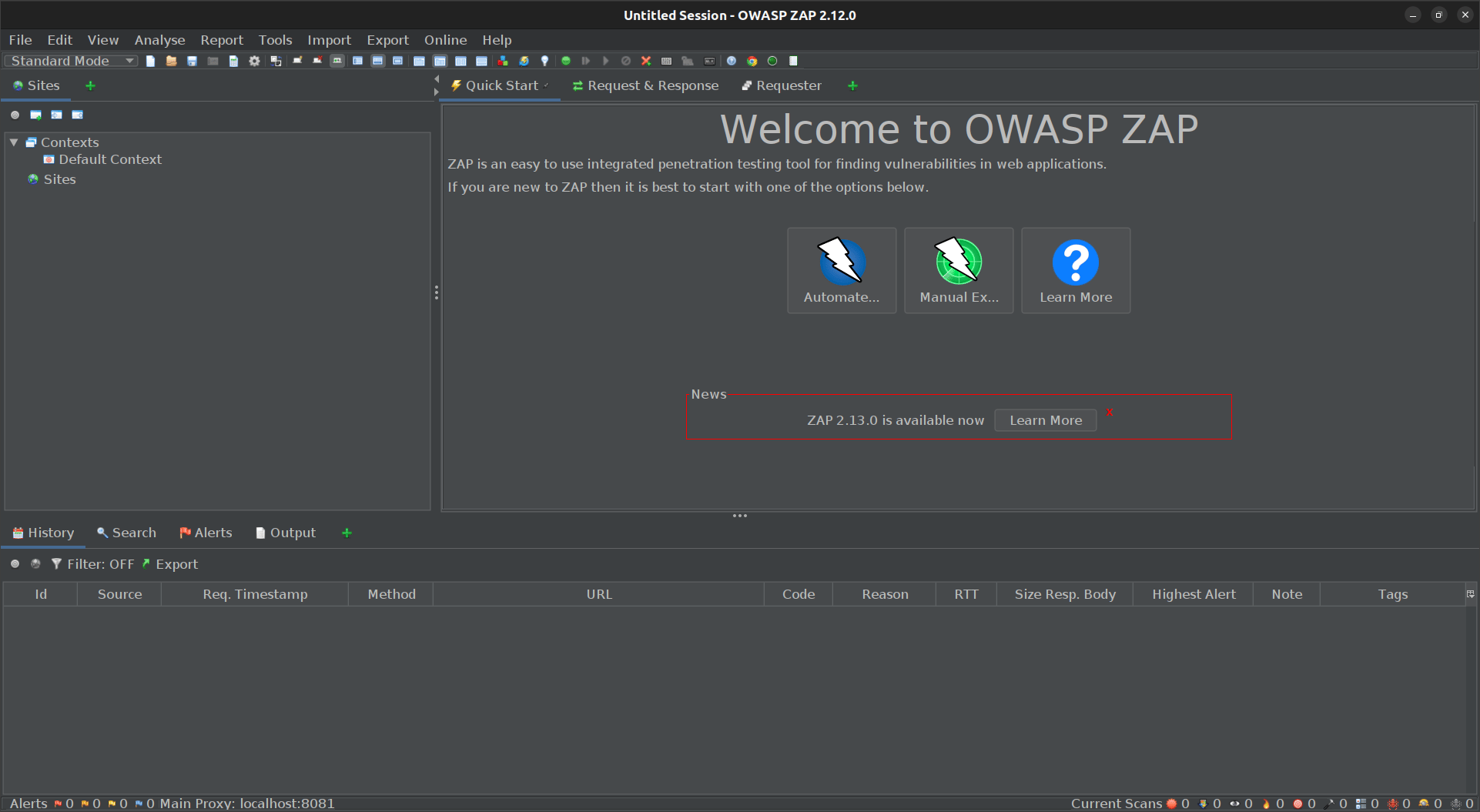
ZAP, or Zed Attack Proxy, is a powerful open-source VAPT tool designed to help security analysts pentest web applications. It functions as a Man-in-the-Middle (MitM) proxy, empowering you to intercept, analyze, and even modify web traffic flowing between a browser and a web application.
Key Features:
- Target: Web applications
- Pentest Capabilities: Automated and manual pentests
- Deployment Capabilities: Manual installation from source code pre-built packages and Docker
- Accuracy: False positives are possible
- Price: Open-source tool
- Best Suited For: OWASP Top 10
ZAP offers grants analysts a comprehensive toolkit for in-depth security assessments, including session manipulation, fuzzing for vulnerabilities, and launching brute-force attacks.
Pros:
- User-friendly interface, especially for beginners
- Designed to scan for OWASP Top 10
Limitations:
- Some features require extra plugins
- False positives are possible
Experts Review
Why did we choose ZAP?
ZAP is a free and open-source tool ideal for testing against the OWASP Top 10 vulnerabilities. As a man-in-the-middle proxy, it allows for detailed inspection and manipulation of web traffic. Its user-friendly interface makes it accessible to beginners, though some features require additional plugins, and false positives are possible.
7. Nmap
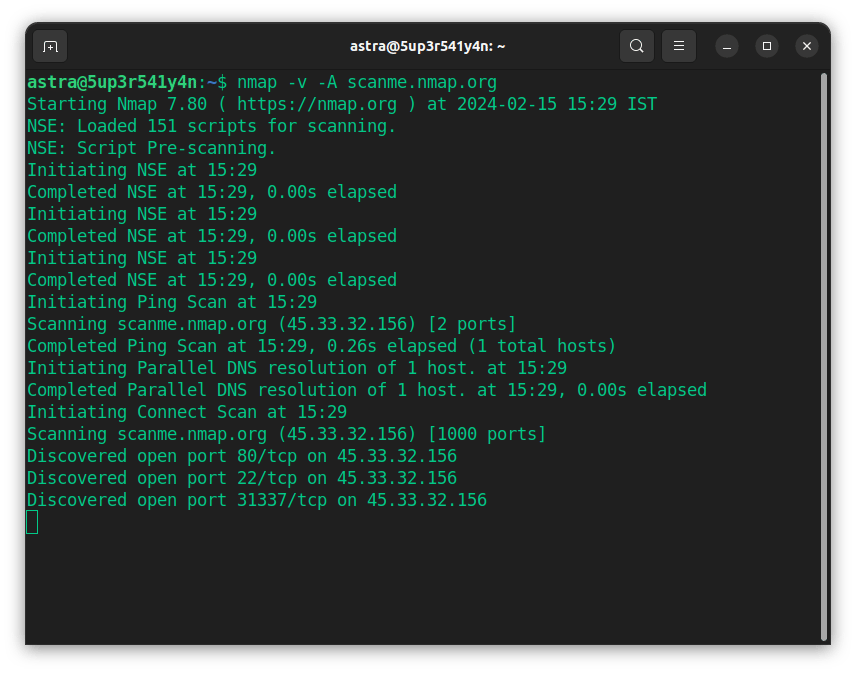
Nmap is a free and open-source network scanning and VAPT tool that helps pinpoint potential entry points and identify running services on connected systems. This translates to improved efficiency and deeper network insights.
Key Features:
- Target: Network infrastructure, IoT devices, and limited cloud instances
- Pentest Capabilities: Unlimited scans for network discovery, vulnerability scanning, service identification, and OS fingerprinting
- Deployment Capabilities: Flexible deployment through the command line, scripting, and graphical interfaces
- Accuracy: False positives are possible
- Price: Open-source tool
- Best Suited For: Network VAPT
Nmap’s version detection capabilities and scripting engine, NSE, empower security professionals to automate tasks, enhance scans, and even create custom scripts to tackle specific network vulnerabilities.
Pros:
- Offers an advanced GUI and results viewer
- Designed to map large networks
Limitations:
- Intrusive scanning techniques
- It has a steep learning curve for beginners
Experts Review
Why did we choose Nmap?
Nmap is a powerful, open-source network scanning tool. It excels at network discovery, service identification, and OS fingerprinting. Its flexibility, through command-line, scripting, and GUI interfaces, combined with its ability to map large networks, makes it indispensable for network penetration testing.
8. Vega
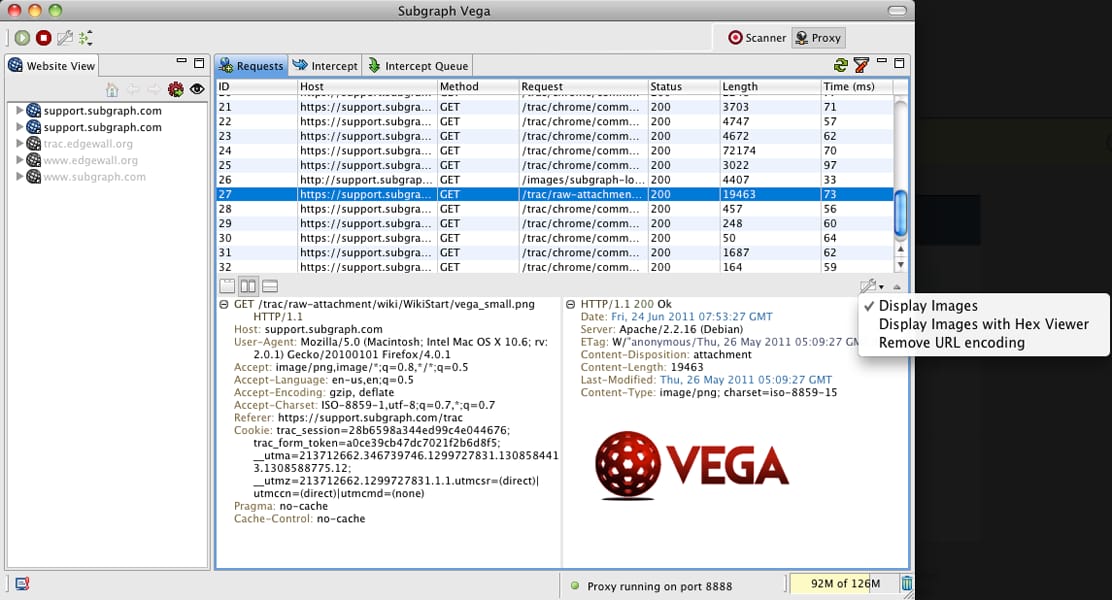
As a custom open-source VAPT testing tool for web applications, Vega offers a comprehensive suite of functionalities to intercept and analyze web traffic, efficiently crawl, and pinpoint vulnerabilities like misconfigured SSL/TLS certificates.
Key Features:
- Target: Web applications
- Pentest Capabilities: Website crawling and automated scanning
- Deployment Capabilities: Manual installation from source code and pre-built packages with JRE
- Accuracy: False positives are possible
- Price: Open-source tool
- Best Suited For: Custom VAPT for web apps
Vega’s extensibility through JavaScript allows security professionals to tailor the pentesting experience to their needs.
Pros:
- Offers extensive customization through scripting support
- Offers active community support
Limitations:
- The interface is a little dated
Experts Review
Why did we choose Vega?
Vega is an open-source web application vulnerability scanner that offers a good balance of functionality and customization. Its ability to crawl web applications and identify vulnerabilities like misconfigured SSL/TLS certificates is valuable. The extensibility through JavaScript allows for tailored testing.
9. Wireshark
Beyond a network packet analyzer, Wireshark is a versatile network traffic-focused VAPT tool for internal penetration testing. Its ability to dissect real-time and historical traffic enables the reconstruction of attack timelines, identification of vectors, and a deeper understanding of the attacker’s behavior.
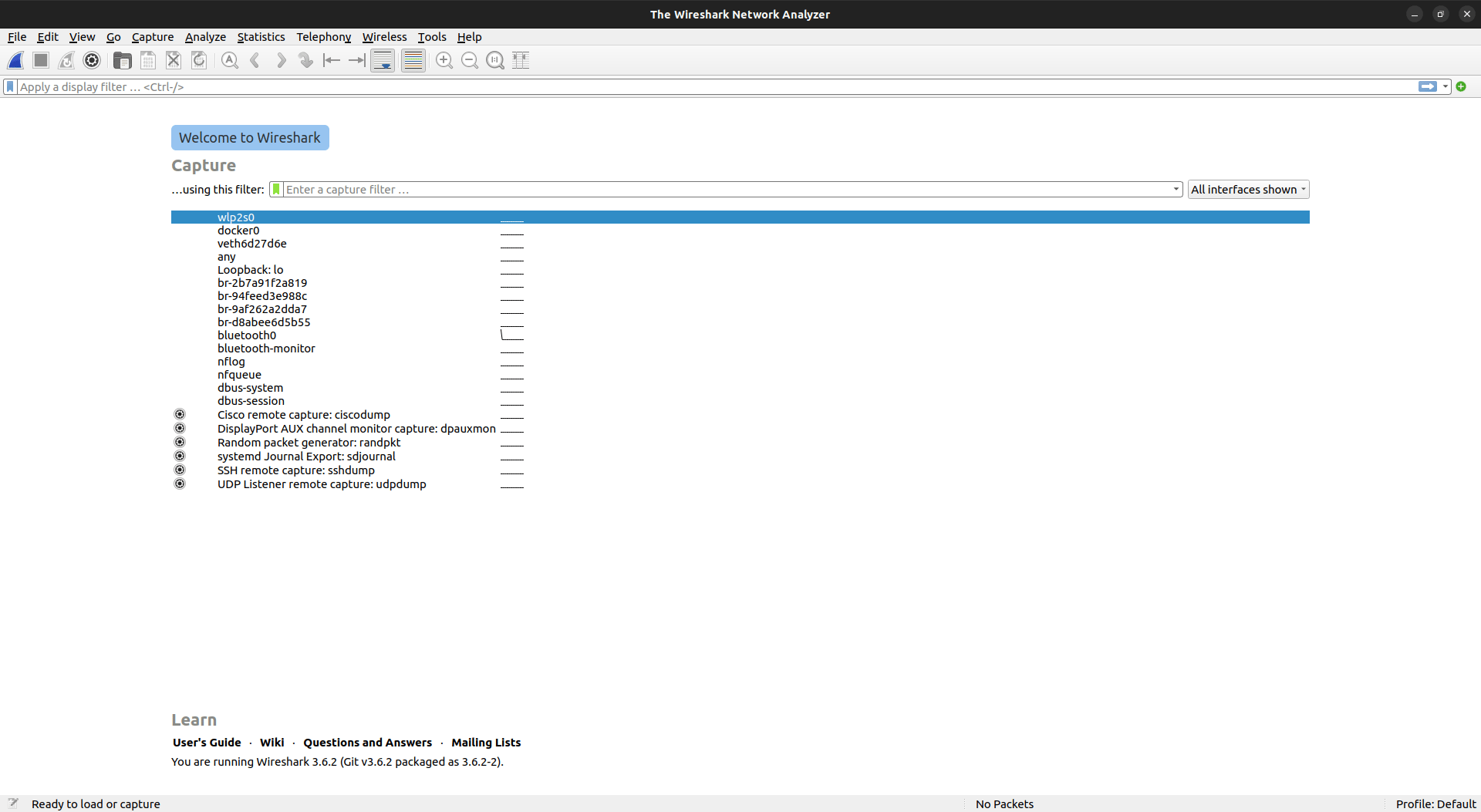
Key Features:
- Target: Network
- Pentest Capabilities: Vulnerability detection, deep packet inspection, and traffic analysis
- Deployment Capabilities: Installer packages for traditional and portable versions
- Accuracy: False positives are possible
- Price: Open-source tool
- Best Suited For: Network traffic-centered VAPT
Thus, analysts can leverage Wireshark’s deep inspection capabilities to uncover network protocols, configurations, and application vulnerabilities.
Pros:
- Analyzes real-time and historical data
- Offers a variety of built-in filters for customization
Limitations:
- Large packets of data can lead to performance degradation
- Cannot perform packet injection
Experts Review
Why did we choose Wireshark?
Wireshark, primarily a network protocol analyzer, is crucial in penetration testing. Its ability to capture and analyze real-time and historical network traffic allows for deep packet inspection and attack reconstruction. Although it can be resource-intensive with large packets and cannot perform packet injection, its detailed analysis capabilities are essential for understanding network vulnerabilities.
10. Nikto
Nikto is a powerful open-source vulnerability assessment and penetration testing tool for web apps and servers that scans for over 6,700 vulnerabilities, including outdated software, misconfigurations, and common exploits.
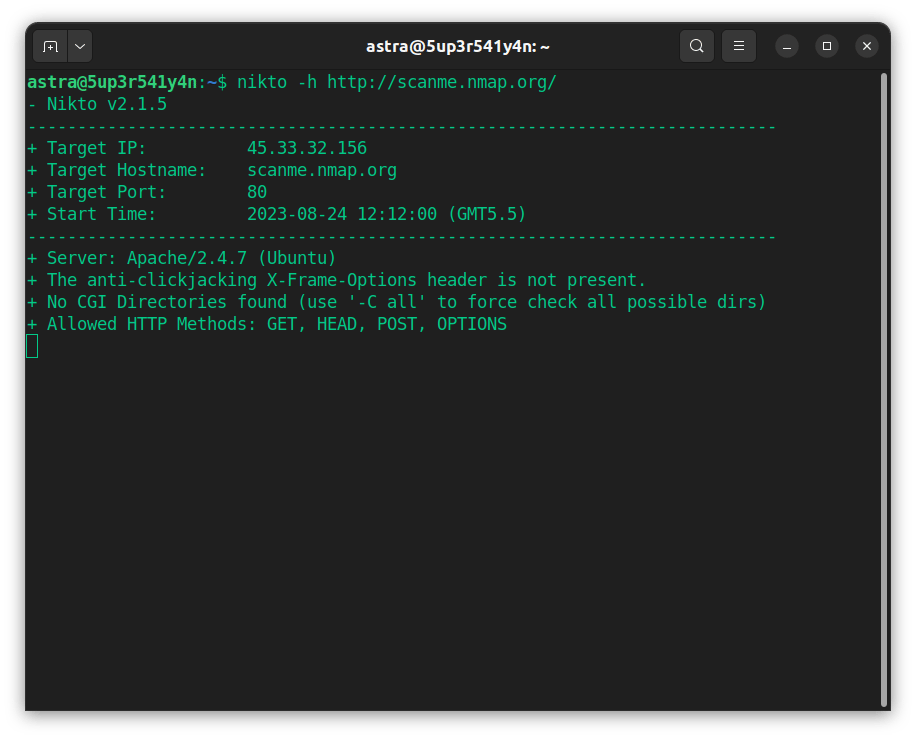
Key Features:
- Target: Web applications and servers
- Pentest Capabilities: Vulnerability and misconfiguration identification
- Deployment Capabilities: Manual installation from source code
- Accuracy: False positives are possible
- Price: Open-source tool
- Best Suited For: Open-source VAPT for web apps and servers
It allows analysts to customize tests through plugin support, helping them identify issues such as open directories, insecure file permissions, and weak HTTP headers.
Pros:
- Easy for beginners to use
- Tests for 6700+ bugs and CVEs
Limitations:
- Does not have a community support platform.
- Results require manual vetting to avoid false positives
Experts Review
Why did we choose Nikto?
Nikto is an open-source web server scanner that checks for a wide range of vulnerabilities, including outdated software and misconfigurations. Its ease of use and extensive database of vulnerabilities make it a good starting point for web server security assessments. However, manually verifying results to avoid false positives is essential, and community support is limited.
What is VAPT?
VAPT is a security testing methodology that identifies, analyzes, and mitigates vulnerabilities in systems, networks, and applications. It combines automated scanning and manual testing to enhance cybersecurity, ensuring compliance and resilience against cyber threats.
How to Choose The Best VAPT Tool?
Start by defining your asset types (web apps, networks, cloud, APIs), compliance requirements, and budget. Then evaluate tools on false positive rates, scan depth, CI/CD integration, report quality, and vendor support responsiveness. Request sample reports before committing.

1. Define Your Needs:
Before starting your search for the best tool, determine the purpose of the pentest (e.g., security posture check, compliance requirement), budget, and timeline. This clarifies your non-negotiables and helps identify the ideal pentesting partner.
2. Do Your Research:
Don’t rely solely on company-promoted information and marketing collateral. Read independent reviews and check whether the VAPT company has a strong reputation in your industry, especially with your specific type of asset.
3. Understand the Deliverables:
Get access to sample reports to ensure they provide actionable insights into vulnerabilities, including how to recreate them and how to fix them. Consider requesting an “executive summary” for easier communication with non-technical stakeholders.
4. Choose a Responsive Partner:
Choose the VAPT tool that offers active customer support. Effective communication and responsive support teams help resolve identified vulnerabilities and streamline remediation, especially in complex situations.
Features to Consider When Choosing a VAPT Tool
Enterprise buyers should prioritize breadth, automated scanning across all asset types, CXO dashboards, compliance coverage, and CI/CD integration. Individual analysts should focus on depth, i.e., tool-specific accuracy, ease of use for particular asset types, and the quality of actionable findings.
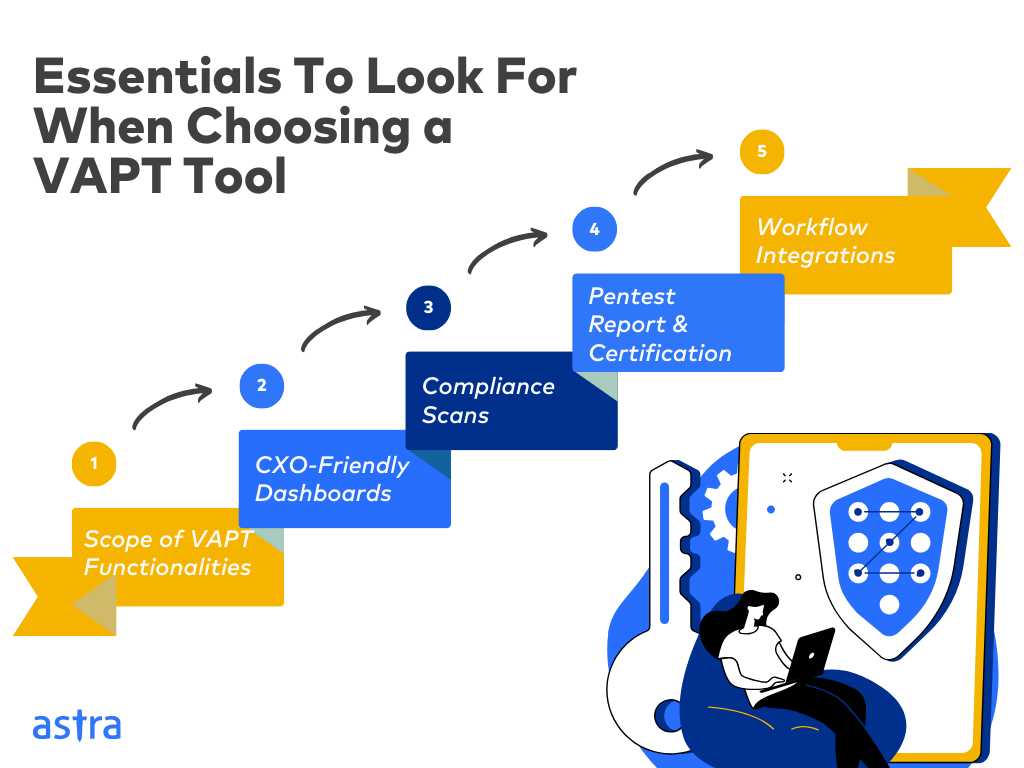
1. Scope of VAPT Functionalities:
As an enterprise, focus on the breadth of functionalities a VAPT tool offers. Prioritize tools that automate vulnerability scanning across diverse assets (web, APIs network, mobile) and offer vulnerability management features like scheduling, assigning, and tracking pentests across various stages.
On the other hand, as an analyst, focus on the depth. Prioritize individual tools based on their strengths against specific asset types and ease of use for particular tasks.
2. CXO-Friendly Dashboards:
Firms prioritize VAPT testing tools that offer CXO-friendly dashboards with real-time updates on pentest progress, key vulnerability reports, and overall infrastructure health. This empowers executives to make informed decisions.
An in-depth pentest, vulnerability scanner with wide coverage, an intuitive interface, customizable views, and an active customer success team are more important to a security analyst.
3. Compliance Scans:
As a business or a security analyst, look for VAPT testing tools that adhere to various common industry compliance standards (CERT-IN, CREST, PCI-DSS, etc.) with compliance-focused scans and reporting aligned with the specific regulation guidelines.
This helps you improve your security posture, stay compliant throughout the year, and avoid hefty fines associated with non-compliance with various mandatory standards.
4. Pentest Report & Certification:
Companies should prioritize tools that offer multi-tiered VAPT reporting. This means generating custom executive reports for management and exhaustive reports for developers. Moreover, publicly verifiable certificates showcasing a clean bill of health build trust with your customers.
As a security analyst, the focus shifts to the availability of actionable reports with in-depth vulnerability details, CVSS scores, and clear steps to replicate and patch vulnerabilities.
5. Workflow Integrations:
To help companies avoid communication bottlenecks, seamlessly integrating your VAPT tool with existing tools in your CI/CD pipelines, such as Slack, JIRA, GitHub, GitLab, and Jenkins, is non-negotiable.
On the other hand, while endpoint mapping and robust authentication are essential for security analysts, the tool’s primary focus remains its core functionality: identifying vulnerabilities.
Final Thoughts
The above guide highlights the top VAPT testing tools available in the industry. These tools equip firms and security analysts with key considerations such as scanning capabilities, a CXO-friendly dashboard, compliance-specific scans, custom pentest reports, and workflow integrations.
Understanding and evaluating your specific needs against available options can help you select the right tool to enhance your overall security posture. While various tools cater to specific needs, platforms like Astra Pentest offer a comprehensive approach with PtaaS VAPT solutions that are ideal for both parties.
Ultimately, investing in effective vulnerability assessment and penetration testing tools empowers you to address security risks and build a robust security posture proactively.
Key Takeaways
- VAPT tools are specialized: web (Burp, ZAP), network (Nmap, Wireshark), or full-suite platforms (Astra, Nessus).
- The key differenceis accuracy: some tools create noise (false positives), others provide validated, actionable results.
- The best tools enable continuous scanning + CI/CD integration for faster fixes.
- Selecting tools should focus on fit (assets), report clarity, compliance, and support, and not just features.
FAQs
What is a VAPT tool?
A VAPT tool is a security program that scans for weaknesses in your systems (vulnerability assessment) and then ethically tries to exploit them (penetration testing) to expose areas for improvement. Modern VAPT tools range from standalone open-source scanners like Nmap and ZAP to comprehensive SaaS platforms like Astra Pentest that combine automated scanning with expert-led manual testing.
How much does a VAPT cost?
The cost of a VAPT varies depending on a variety of factors such as complexity, scope, and vendor. However, it can fluctuate anywhere within a range of $1,500 to $25,000+ per engagement. Enterprise SaaS platforms like Astra Pentest start at approximately $1,999/year for continuous coverage.
What is the difference between VAPT and Pentest?
VAPT (Vulnerability Assessment and Penetration Testing) combines vulnerability scanning with manual testing to assess security posture. Pentesting, on the other hand, solely focuses on exploiting vulnerabilities to identify security weaknesses.
How often should organizations conduct VAPT?
At minimum, organizations should conduct a full VAPT annually. However, best practice, especially for organizations under PCI-DSS, HIPAA, or ISO 27001, is continuous automated scanning supplemented by quarterly or semi-annual manual penetration tests, and an immediate re-test after any major infrastructure change, new application deployment, or security incident.
Can VAPT tools replace a manual penetration test?
No. Automated VAPT tools excel at broad, fast coverage and continuous monitoring, but they cannot replicate the creative, context-aware judgment of an experienced human penetration tester. Business logic flaws, chained vulnerabilities, and social engineering vectors typically require human-led testing to uncover.
The best approach combines both, automated tools for scale and speed, expert manual testing for depth.
Is open-source VAPT software good enough for enterprise use?
Open-source tools like Nmap, ZAP, and Wireshark are powerful and widely used (even inside large enterprises) but they are typically deployed as part of a broader toolkit rather than as standalone solutions. They lack centralized dashboards, compliance reporting, formal support SLAs, and the expert remediation guidance that enterprise platforms provide.
Which VAPT tool has the fewest false positives?
Among the tools reviewed, Astra Pentest is the only platform that explicitly guarantees zero false positives, backed by expert-vetted scanning. Open-source tools like Nmap, Nikto, ZAP, and Wireshark all require manual verification of results. Commercial tools like Burp Suite, Nessus, and Acunetix reduce false positives through more sophisticated detection logic.
Explore Our VAPT Series
This post is part of a series on VAPT. You can also check out other articles below.

- Chapter 1: What is VAPT?
- Chapter 2: A Complete Guide on Vulnerability Assessment Methodology
- Chapter 3: Vulnerability Assessment vs Penetration Testing: Difference?
- Chapter 4: Top 10 VAPT Companies In India for 2026
- Chapter 5: Top 10 VAPT Tools in 2026
- Chapter 6: Detailed Guide on VAPT Report
- Chapter 7: VAPT Pricing – How Much Does a Website VAPT Cost?
- Chapter 8: Vulnerability Assessment and Penetration Testing Services