TLDR;
- A High or critical-severity vulnerability with low exploitability is a smaller headache than a medium-severity one that is trivially exploitable in your environment.
- CVSS measures impact, not whether the exploit actually works against your specific deployment.
- Order your remediation queue by proven exploitability instead of severity.
- Rework your pentest architecture around validation rather than signature matching.
Last month, PHP2Shell shook the internet – but then nothing big happened. Every blue team expected a weekend from hell, but the internet kept ticking along just fine. So should you worry about every critical CVE? The answer is “Yes, but not always.”
Here are 3 reasons why you should worry, and 3 reasons why you shouldn’t:
Why You Should Worry
- If it’s exposed to the internet, even a Medium severity flaw needs to be patched immediately. Attackers are constantly scanning for any remotely accessible vulnerability, not just Critical ones. Don’t let them in through the side door. I’ve seen far too many companies get owned through an ancient WordPress plugin or a forgotten Jenkins instance. If it’s online, it’s on the front lines.
- If it’s in a critical system, worry. Severities are based on an assumed “average” deployment, but your crown jewels are anything but average. A High severity flaw in your customer database is an all-hands-on-deck emergency, while the same bug in a staging server might be safely postponed. Criticality is in the eye of the beholder.
- If you’re behind on patches, worry. Attackers chain multiple flaws to reach their goals, including older ones you haven’t gotten around to fixing yet. One old Medium plus one new High equals “game over.” I’ve lost count of the number of times I’ve seen a company get breached through a vulnerability that had been patched months or years earlier in the affected software. Patch debt is technical debt, and the bill always comes due.

Why You Shouldn’t Worry
- If your environment blocks the exploit, don’t panic. PHP2Shell was Critical on paper, but real-world exploits relied on specific PHP builds and non-default configurations. If you weren’t exposed, you had more time. This is why knowing your own attack surface is so crucial – the better you understand your exposures, the more accurately you can prioritize.
- If it’s hard to weaponize, wait for a PoC. Some Complex-rated flaws never get reliable exploits because they depend on race conditions or memory layouts too specific to automate. No PoC, less pressure. You can even use this breathing room to patch proactively, instead of firefighting. Exploitability outweighs abstract severity every time.
- If you have mitigations in place, breathe easier. Default settings like address space randomization and hardware-enforced code/data separation render whole bug classes unexploitable. Worry about the ones your layers can’t stop. This is also where having a mature AppSec program pays off – catching bugs early and breaking exploit chains before they can form.
The upshot?
Severity is just one variable in the risk equation. To really defend your castle, you need to know how exploitable each weakness is in your specific environment. CVSS tells you the worst possible outcome – but not the odds it will happen to you.
So should you worry about every critical CVE? Absolutely – but to put that worry to good use, you need to look beyond the severity score. Build a pentest program that validates real exploitability, not just the CVSS rating. Re-order your remediation queue based on weaponization in the wild, not just abstract impact.
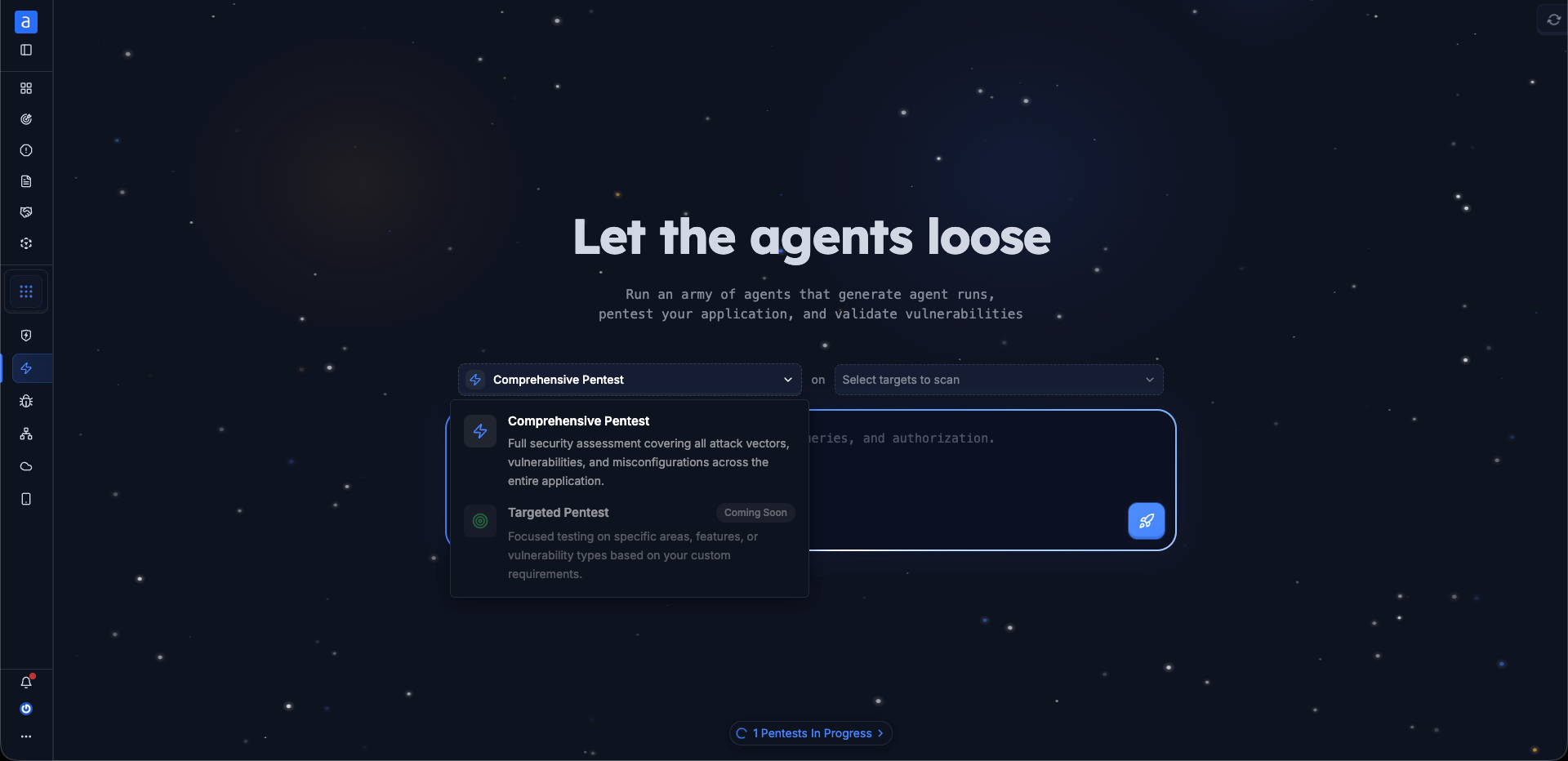
This is where autonomous pentesting really shines.
With an autonomous, continuous testing engine like Astra’s Pentest Suite, you can validate the true exploitability of each new CVE across your entire attack surface. By combining broad asset discovery, deep vulnerability scanning, and multi-step exploit validation, Astra correlates CVSS to real risk – so you know exactly which critical bugs are really critical in your environment.
The next PHP2Shell is coming – but armed with a little extra context and the right tools, you’ll know exactly how much to worry. In the immortal words of Mad-Eye Moody, “Constant vigilance!” – just make sure you’re being vigilant about the right things.