
93% of the 2 million security incidents in CERT-In’s 2024 Annual Report were triggered due to unauthorized network scanning/ probing, as well as vulnerability exploits. The emergence of malicious LLMs, such as WormGPT and FraudGPT, has only further lowered the entry barrier, enabling less skilled actors to craft convincing phishing emails, generate malware, and exploit vulnerabilities.
As a CXO, your accountability is explicit: scope and remediation must be approved from the top, and only the head of the organization may accept residual risk, thereby cementing cybersecurity as a board-level obligation rather than an IT task. However, with 85+ CERT-In penetration testing companies across India, how do you identify the right partner for you?
That’s why our security experts have focused on CERT-In methodology adherence, sector-specific expertise, automated + manual testing capabilities, comprehensive reporting standards, and proven track records with government and critical sector firms, to present the top 7 in the business and help you secure your firm’s digital ecosystem while building trust and enhancing both top and bottom line profitability.
Top 7 CERT-In Empanelled Penetration Testing Companies in India
- Astra Security
- SISA
- SecureLayer7
- eSec Forte
- QualySec Technologies
- Unit 42 (Palo Alto)
- IBM X-Force Red
Top 3 CERT-In Pentesting Companies Compared
| Features | Astra Security | SISA Information Security | SecureLayer7 |
|---|---|---|---|
| CERT-In Status | Empanelled | Empanelled | Empanelled |
| Testing Capabilities | Web, Mobile, API, Cloud, Network | Web, Mobile, Network, Cloud, Payment Systems, AI/ML | Web, Mobile, API, Thick Client applications |
| Accuracy | Zero false positives (vetted scans) | Forensics-driven with manual validation | Manual testing focus |
| Compliance Coverage | CERT-In, CREST, PCI-DSS, GDPR, HIPAA, SOC2, ISO 27001 | CERT-In, CREST, PCI QSA, P2PE-QSA, 3DS Assessor, PCI PFI | CERT-In, OWASP, GDPR, CREST, SOC2 |
| Team Credentials | OSCP, CEH, CREST, PCI ASV, 90+ CVEs discovered | CREST certified, PCI QSA, forensics specialists | CREST |
| Unique Advantage | Publicly verifiable CREST certification | Multiple PCI SSC authorizations + AI security leadership | Expertise in modern development frameworks |
| Pricing | Starting at ~INR 1.65 lakh per year | INR 3-15 lakh for QSA services | Starting at ₹80,000 |
| Best For | Comprehensive security with compliance | Payment security and forensics | Application security specialists |
Top 7 CERT-In Penetration Testing Companies in India
1. Astra Security [Get Started]
Key Features:
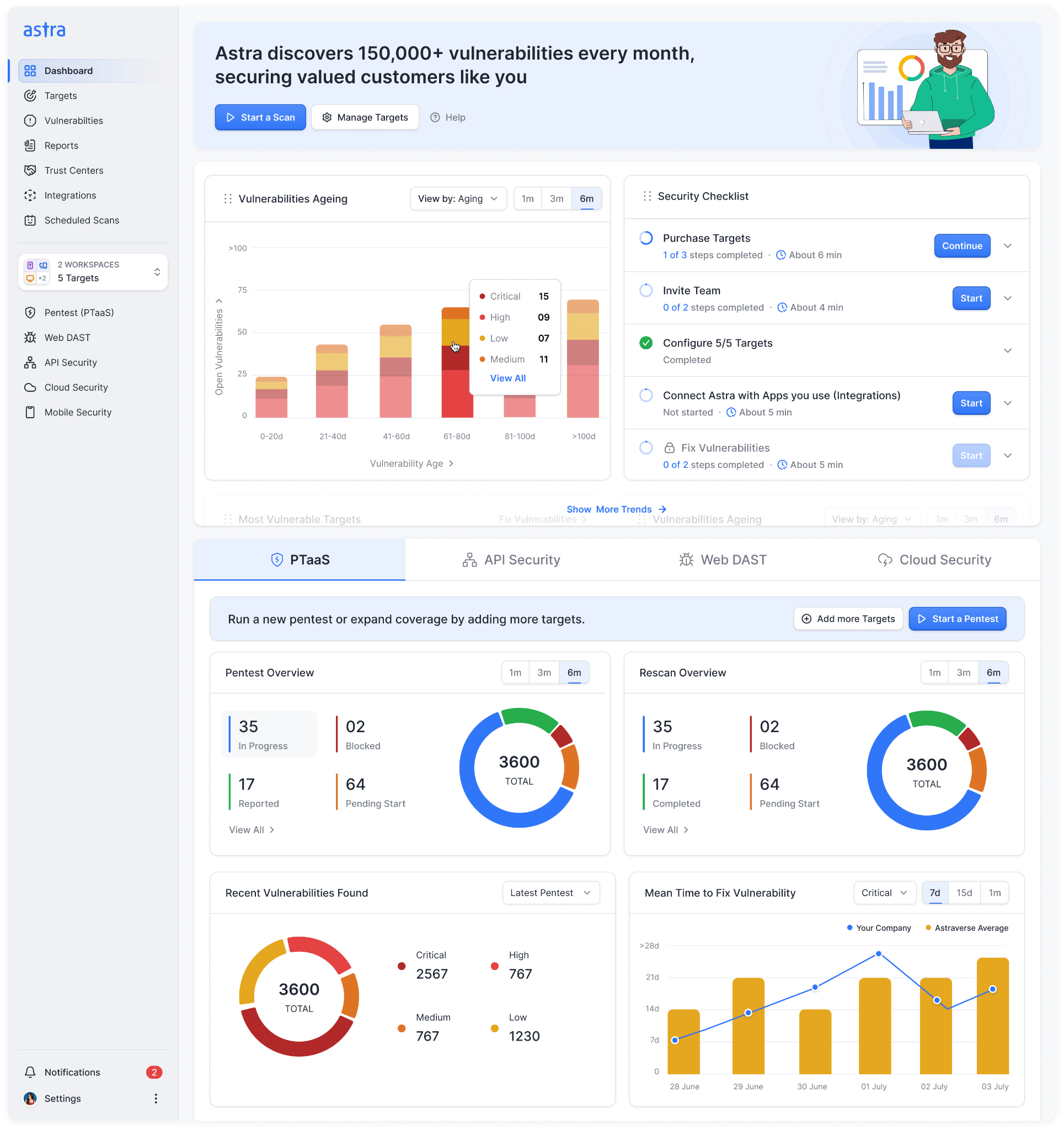
- Pentest Capabilities: Web Applications, Mobile Apps, Cloud Infrastructure, APIs, Networks, and Blockchain
- Accuracy: Zero false positives (Vetted by security experts)
- Scan Behind Logins: Yes
- Compliance Coverage: CERT-In, RBI Guidelines, SEBI Cybersecurity Framework, ISO 27001, SOC2, HIPAA, PCI-DSS
- Expert Remediation: Yes, with dedicated security engineers
- Publicly Verifiable Certificate: Yes
- Workflow Integrations: JIRA, GitHub, GitLab, Slack, Jenkins, Azure DevOps
- Turnaround Time: 10-15 business days for comprehensive assessment
- Cost: Starting at ₹1,49,999 per year (Custom pricing available)
- Best For: Organizations seeking continuous security with compliance
As a CERT-In empaneled vendor, Astra Security combines automated scanning with expert manual testing, running 15,000+ tests across 150+ attack vectors across targets. Our AI-powered vulnerability scanner for web apps, API, and cloud works continuously between assessments and pentests, ensuring year-round protection.
Moreover, our hacker-style expert-led pentesting uncovers business logic flaws, authentication bypasses, and complex attack chains that automated tools miss. Encompassing targets from web app, API, and cloud, to network, IOT devices, workspaces, and more, with detailed actionable reporting, expert guidance, and automated as well as manual verifications before awarding the publicly verifiable Astra Security certificate.
Our team includes security researchers with over 90 CVEs to their credit and certifications, including OSCP, CEH, and CREST.
Pros:
- Continuous vulnerability scanning between annual audits
- CXO-friendly dashboards with technical deep-dives for engineers
- Complimentary retesting after vulnerability fixes
- 24/7 security expert support via GPT-powered assistant and human experts
- Industry-specific test cases for banking, healthcare, and e-commerce
Limitations:
- Only a 7-day trial is available
What Sets Us Apart:
Our unique combination of continuous automated scanning with expert-led penetration testing ensures organizations maintain their security posture throughout the year, not just during annual audits. With publicly verifiable certificates and integration with major DevOps tools, we offer the best-in-segment deals for enterprises requiring both compliance and operational security, whether in healthcare, finance, the public sector, or private, as well as MNCs or emerging start-ups.
Looking for continuous CERT-In-compliant pentesting with public certificates and expert remediation?

2. SISA Information Security
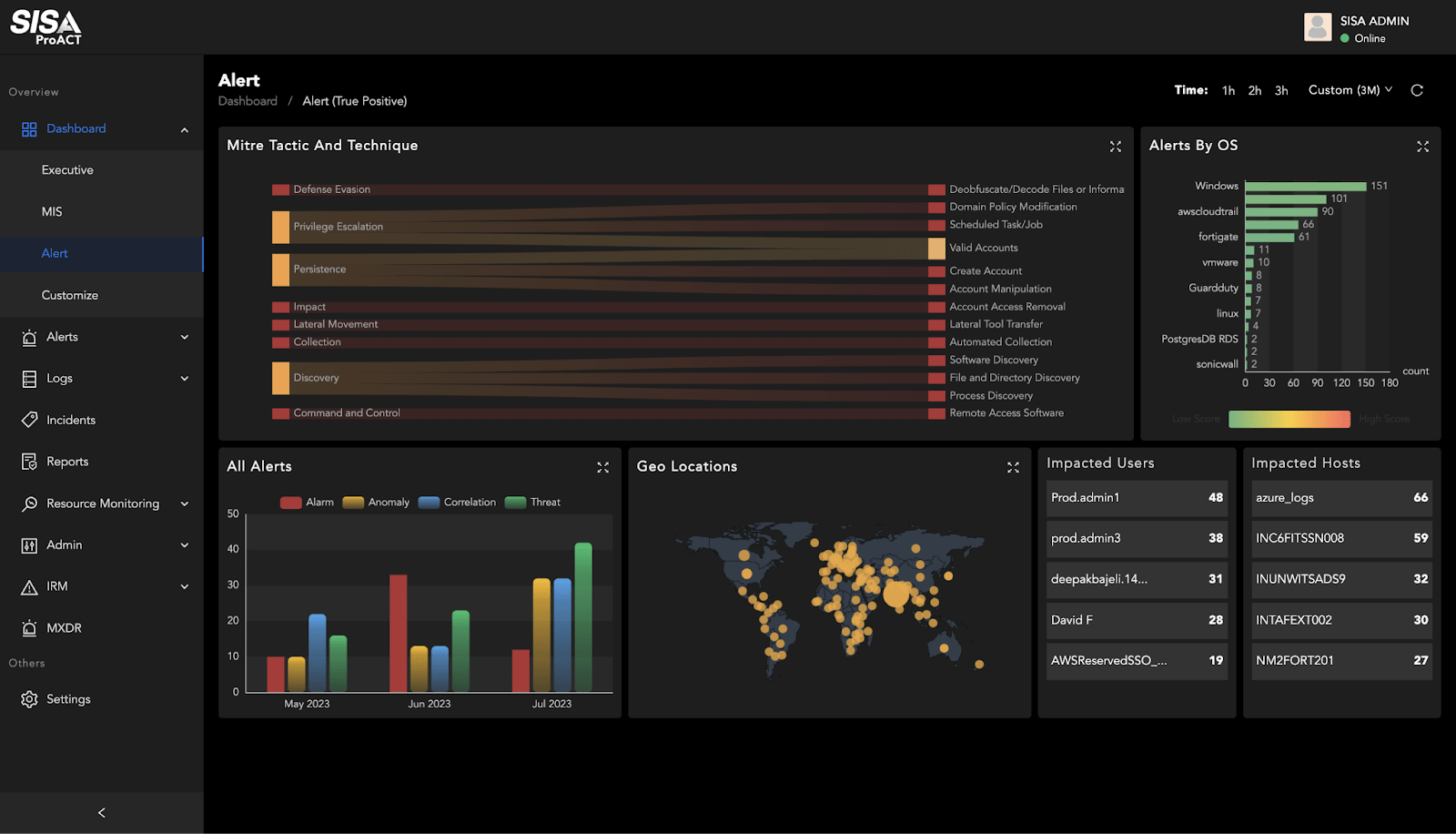
Key Features:
- Pentest Capabilities: Web Applications, Mobile Apps, Network Infrastructure, APIs, Payment Systems, IoT, AI/ML Systems
- Accuracy: Expert manual validation with a forensics-driven approach
- Scan Behind Logins: Yes
- Compliance Coverage: CERT-In, PCI DSS QSA, CREST, ISO 27001, P2PE-QSA, 3DS Assessor
- Expert Remediation: Yes, with forensic investigation capabilities
- Publicly Verifiable Certificate: CREST and PCI SSC verifiable credentials
- Workflow Integrations: Custom API integrations for enterprise clients
- Turnaround Time: 15-20 business days for comprehensive assessments
- Cost: Starting at ₹3,00,000 per assessment
- Best For: Payment security, regulated industries, forensic-grade security assessments
Headquartered globally with delivery centers across the USA, UK, Bahrain, UAE, India, Singapore, and Australia, SISA Information Security has been a Payment Security Specialist since 2006. Their team of over 400 cybersecurity professionals holds CREST and multiple PCI SSC certifications, making them both CERT-In empanelled auditors and approved PCI Qualified Security Assessors (QSA).
Their expertise lies in providing comprehensive payment security coverage, spanning compliance assessments, forensic investigations, and incident responses, a unique combination particularly valuable for BFSI and payment processing organizations.
Pros:
- Multiple PCI SSC authorizations, including QSA, ASV, P2PE-QSA, PFI, and 3DS Assessor credentials
- CREST accreditation for international-standard penetration testing
- World’s first ANAB-accredited AI security certification program (CSPAI) with CERT-In
- Forensics-driven methodology combining preventive, detective, and corrective solutions
Limitations:
- Premium pricing targeting enterprise and regulated sector clients
- A complex service portfolio may overwhelm smaller organizations seeking basic VAPT
- Longer turnaround times due to comprehensive forensic-grade assessments
3. SecureLayer7
Key Features:
- Pentest Capabilities: Web, Mobile, API, Thick Client applications
- Accuracy: Manual testing focus
- Scan Behind Logins: Yes
- Compliance Coverage: CERT-In, OWASP, GDPR
- Expert Remediation: Advisory services
- Publicly Verifiable Certificate: No
- Workflow Integrations: None
- Turnaround Time: 10-20 business days
- Cost: Starting at ₹80,000
- Best For: Application security specialists
Pune-headquartered SecureLayer7 specializes in application security, but also covers APi and Thick Client applications with expertise in modern frameworks, including microservices and containerized applications.
While their advisor services include detailed code-level recommendations, the focus on application-layer security and expertise in modern development frameworks make them well-suited for software companies and SaaS providers.
Pros:
- Deep application security expertise
- Experience with modern architectures
- Detailed code-level recommendations
Limitations:
- Limited infrastructure testing capabilities
- No continuous monitoring platform
- A manual-heavy approach increases turnaround time
Want deep-dive application security assessments tailored to modern SaaS and DevOps frameworks?
4.eSec Forte
Key Features:
- Pentest Capabilities: Network, Web, Wireless, Social Engineering
- Accuracy: Verified manual testing
- Scan Behind Logins: Limited
- Compliance Coverage: CERT-In, ISO standards
- Expert Remediation: Included in premium packages
- Publicly Verifiable Certificate: No
- Workflow Integrations: None
- Turnaround Time: 15-25 business days
- Cost: ₹50,000 – ₹2,00,000
- Best For: Traditional infrastructure testing
Based out of the capital of the country, eSec Forte brings 15+ years of experience in cybersecurity, ranging from compliance pentests to response and auditing. It usually caters to a bunch of government and PSU clients.
Such long-standing relationships with government organizations and understanding of legacy systems make them suitable for public sector entities.
Pros:
- Extensive government sector experience
- Competitive pricing for basic assessments
- Strong network security capabilities
Limitations:
- Limited modern application testing capabilities
- Longer turnaround times
- Basic reporting formats
5. QualySec Technologies
Key Features:
- Pentest Capabilities: Web Applications, Mobile Apps, Cloud Infrastructure, APIs, IoT, AI/ML, Blockchain Security
- Accuracy: Process-based methodology with manual verification
- Scan Behind Logins: Yes
- Compliance Coverage: CERT-In, ISO 27001, PCI-DSS, GDPR, HIPAA
- Expert Remediation: Yes, with detailed fix guidance
- Publicly Verifiable Certificate: No
- Workflow Integrations: Limited API integrations
- Turnaround Time: 7-14 business days
- Cost: Starting at ₹25,000 per assessment
- Best For: Emerging technologies, startups, and SMEs seeking comprehensive yet affordable security testing
Founded in 2020 in Bhubaneswar, Odisha, QualySec Technologies specializes in precision-driven penetration testing services. Their team holds dexterity in customizing their testing strategies to emerging environments that involve AI/ML, IoT, and multiple blockchain systems.
Moreover, its process-based approach combines automated scanning with manual verification, offering them an edge when it comes to technology startups and organizations that are at the helm of cutting-edge systems and need made-to-measure solutions.
Pros:
- Expertise in cutting-edge technologies like AI/ML, IoT, and blockchain security
- Competitive pricing structure accessible to startups and SMEs
- Strong focus on helping clients through expert guidance
Limitations:
- Relatively new company (founded in 2020) with a shorter track record compared to others
- A smaller team size may not be suitable for large-scale enterprise requirements
- Limited workflow integrations compared to other competitors
6. Unit 42 (Palo Alto Networks)
Key Features:
- Pentest Capabilities: Cloud-native, Kubernetes, Serverless, Advanced Persistent Threats, Nation-state simulation
- Accuracy: Threat intelligence-driven with global attack pattern correlation
- Scan Behind Logins: Yes
- Compliance Coverage: CERT-In, Global standards, SOC 2, ISO 27001, NIST
- Expert Remediation: Yes, with 24/7 incident response capabilities
- Publicly Verifiable Certificate: Yes, through Palo Alto Networks credentialing
- Workflow Integrations: Cortex XSIAM platform, SOAR integrations
- Turnaround Time: 5-10 business days for standard assessments
- Cost: Starting at ₹5,00,000 per engagement
- Best For: Enterprise cloud security, threat intelligence integration, sophisticated adversary simulation
Unit 42, the threat intelligence and services arm of Palo Alto Networks, boasts an elite team of threat researchers that analyzes 30+ million malware samples daily. Within the APAC region, they serve Fortune 500 companies and government agencies that need advanced security assessments at an enterprise level.
Their strength lies in their positioning as a threat intelligence provider and security services organization, offering it unparalleled insights into emerging attack vectors. Moreover, their ability to marry global threat patterns with local testing enables them to deliver forward-looking security assessments that anticipate future attack scenarios, rather than merely identifying current vulnerabilities.
Pros:
- Access to cutting-edge global threat intelligence from analyzing worldwide attack patterns
- An elite team of incident responders with experience handling nation-state and APT attacks
- Advanced automation capabilities through the Cortex XSIAM platform integration
- Rapid turnaround times, leveraging global resources, and advanced tooling
- Proven track record with complex enterprise environments and critical infrastructure
Limitations:
- Premium pricing structure primarily targeting large enterprise clients
- Maybe a bit of an overkill for firms with basic security assessment needs
- Complex engagement processes are typical of enterprise-grade consulting services
7. IBM X-Force Red
Key Features:
- Pentest Capabilities: Applications, Networks, Cloud, AI Models, Hardware, Social Engineering, Physical Security
- Accuracy: Attacker mindset methodology with real-world exploitation techniques
- Scan Behind Logins: Yes
- Compliance Coverage: CERT-In, SOX, HIPAA, PCI-DSS, GDPR, industry-specific standards
- Expert Remediation: Yes, integrated with the IBM Security ecosystem
- Publicly Verifiable Certificate: IBM-certified credentials
- Workflow Integrations: IBM Security portfolio, Watson for Security, QRadar
- Turnaround Time: 10-15 business days for comprehensive assessments
- Cost: Starting at ₹8,00,000 per engagement
- Best For: Large enterprises, complex multi-environment testing, integrated security ecosystems
IBM X-Force Red has the direct and hefty benefit of having decades of enterprise security experience at its disposal, which makes it capable enough of solving complex penetration testing challenges. With a team of hundreds of security professionals across global locations using the same tools, techniques, and an offensive mindset to uncover the best vulnerabilities that traditional scanning approaches miss.
They conduct security assessments for some of the world’s largest organizations, bringing in enterprise-grade rigor and scalability. This, coupled with decades of cybersecurity experience and a vast, up-to-date suite of penetration testing offerings, makes them one of the best in the business.
Pros:
- Global scale with IBM’s enterprise-grade support infrastructure and resources
- Comprehensive testing capabilities across traditional and emerging technology stacks
- Deep integration with IBM’s broader security and threat intelligence ecosystem
- Proven methodology based on real-world attack techniques and criminal tactics
- Extensive experience with large-scale, multi-national enterprise environments
Limitations:
- Enterprise-focused pricing limits it to large-scale contracts
- It is known to have complex procurement processes that may not fit well with the pace at which SMEs and other scaling start-ups operate
- The timelines are quite lengthy due to their comprehensive scope and to meet enterprise-level requirements
Decoding the CERT-In Empanelment Requirements
As of 2025, CERT-In has empanelled approximately 200 companies to conduct cybersecurity audits and get you your Cert-In certification. Below, we try to briefly explain the empanelment conditions so you know what expertise, in general, these firms have:
Technical Expertise
Certified professionals with credentials such as OSCP, CEH, CISSP, and CREST. They should be adept at both automated and manual testing, with emphasis on hacker-style penetration testing that goes beyond basic vulnerability scanning.
Comprehensive Scope Coverage
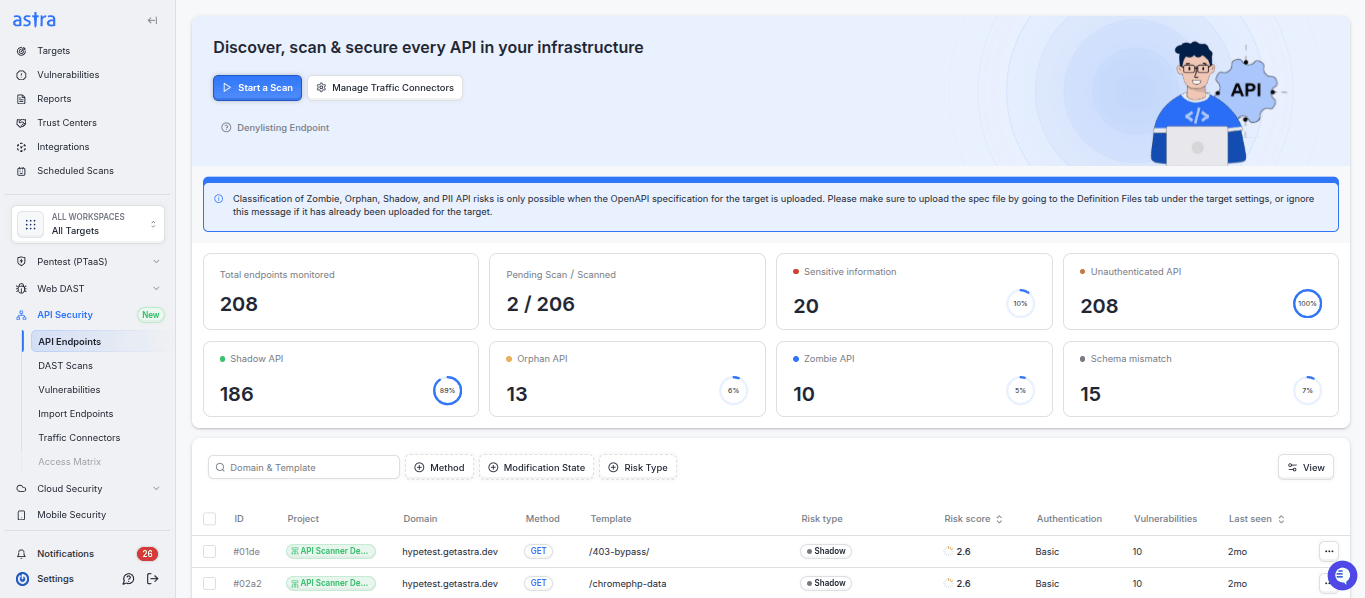
Capable of testing web applications, mobile apps, APIs, cloud infrastructure, IoT devices, and OT/ICS systems. They should also cover AI systems, blockchain platforms, and provide supply chain security assessments.
Quality Assurance Standards
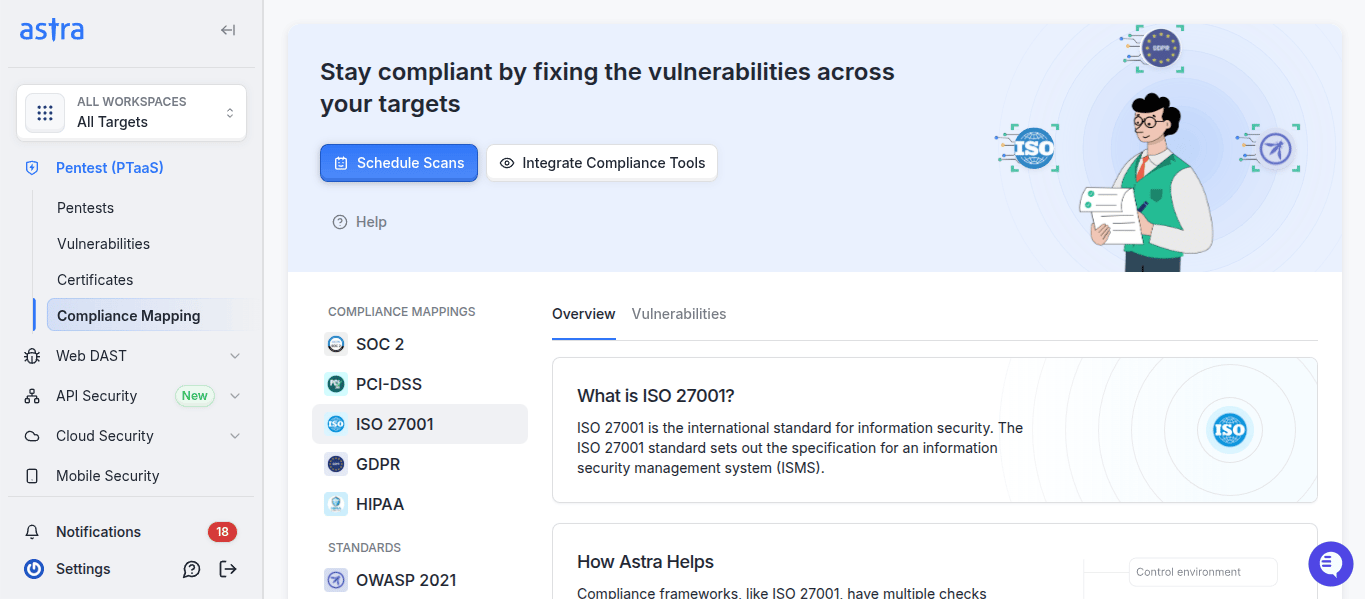
Follow methodologies that are aligned with OWASP, NIST, ISO 27001,etc. Reports to have CVSS scoring, EPSS exploit likelihood ratings, and clear remediation guidance, along with business impact analysis.
Continuous Compliance
CERT-In now requires the annual revalidation of empanelment status, with auditors subjected to surprise quality checks and mandatory reporting of audit outcomes within five working days. Non-compliance may lead to suspension, debarment, or legal action under the IT Act.
Sector-Specific CERT-In Requirements
Banking, Financial Services & Insurance (BFSI)
Annual Information Security audits, as per CERT guidelines, and quarterly VAPT assessments for critical systems involve scrutinizing core banking systems, mobile banking applications, payment gateways, and API integrations with third-party fintech providers. This also includes specialized testing for payment applications, as well as advanced persistent threat (APT) simulation and social engineering assessments.
Healthcare & Telemedicine
When handling sensitive patient data, you must comply with emerging data protection regulations while maintaining standards equivalent to those of HIPAA. CERT-In empanelled providers here ought to demonstrate expertise in testing EHR systems, telemedicine platforms, IoT medical devices, and cloud-based health information exchanges. The unique challenge here is balancing security testing with operational continuity, requiring providers experienced in healthcare-specific testing methodologies.
Government & Public Sector
Government entities require CERT-In empanelled auditors for mandatory annual security assessments and pre-deployment testing of citizen-facing digital services. The sector’s requirements include testing of e-governance platforms, smart city infrastructure, and digital identity systems. Here, vendors with dual STQC-CERT-In empanelment provide additional credibility for complex government procurement processes.
Finally, testing must cover not just web applications but also operational technology (OT) systems, SCADA networks, and supply chain security assessments.
Technology & Startups
India’s vibrant startup ecosystem needs to strike a balance between rapid innovation and security compliance.
CERT-In requirements here focus on SDLC integration, API security for microservices architectures, and cloud-native security assessments. What you need is a vendor that can offer a competitive pricing structure specifically designed for burgeoning companies like yours, with expertise in AI/ML and blockchain security testing as well.
Manufacturing & Industrial IoT
The new attack surfaces here require specialized Industrial IoT (IIoT) security testing. A CERT-In-approved pentesting provider here for you must demonstrate capabilities in OT/ICS system assessment, industrial protocol security testing, and supply chain cybersecurity evaluation. You require providers that understand both IT and OT environments, and have testing methodologies that minimize disruption to your production systems.
How to Choose Your CERT-In Empanelled Pentest Partner?
Selecting the right CERT-In empanelled penetration testing partner is not just about the empanelment status. It directly impacts your security posture, compliance standing, and operational efficiency, and needless to say, the trust and longevity of your business.
Technical Expertise and Credentials Verification
Verify their empanelment status through the official CERT-In’s website, since some may claim expired credentials.
Secondly, look for industry-recognized credentials like OSCP, CEH, CISSP, and CREST certifications. Having a publicly verifiable CREST accreditation offers them an edge since it assures their technical competency.
Thirdly, request CVs of the team members who will conduct your assessment and ensure they have hands-on experience in your specific technology stack and industry sector. Additionally, it is a good practice to look for providers whose teams are regularly involved in security research, discovering CVEs, or participating in responsible disclosure events.
These activities indicate that they possess cutting-edge technical knowledge and expertise.
Methodology and Approach Assessment
Ensure their testing methodology aligns with your risk profile and compliance requirements. The best providers combine automated scanning and manual testing. Request sample reports to assess the quality of findings documentation, remediation guidance, and business impact analysis.
Understand their approach to authenticated testing (scan-behind-login capabilities), as many critical vulnerabilities exist in privileged areas of applications that unauthenticated scanners cannot reach. Providers that specifically highlight their authenticated testing capabilities can become a key differentiation point.
Compliance and Reporting Standards
Ensure the provider delivers reports that meet your specific compliance requirements. Moreover, your vendor should have experience with your industry’s regulatory frameworks, such as RBI guidelines for banking or SEBI’s requirements for capital markets.
Request executive summaries and technical reports to assess their clarity and actionability. The best providers deliver reports that serve both technical teams and Ex-Comms with details tailored to each target audience.
Red Flags to Avoid
Unrealistic Pricing
Be wary of extremely low prices (below ₹20,000 for web applications). Quality penetration testing requires skilled professionals and time-intensive manual work that is directly proportional to the level of security you seek and the associated cost.
Lack of Transparency
Avoid providers who cannot clearly explain their testing methodology, refuse to provide sample reports, or have ambiguous team credentials. Legitimate CERT-In empanelled organizations should be proud to share their expertise and approach.
Over-reliance on Automated Tools
Providers who emphasize speed over depth, promising comprehensive assessments in unrealistically short timeframes, most likely rely on automated scanning. Manual penetration testing is necessary, especially given the variety and volume of data and endpoints India has, and thus, manual intervention is a no-brainer, and it also requires sufficient time for a thorough analysis.
Poor Communication
If your vendor takes quite a bit of time to respond to your queries, provides generic proposals without addressing your specific requirements, or lacks transparent project management processes, warn them as it will impact the quality they deliver and, of course, when and how they provide it.
Pro Tip: The RFP Strategy
Creating a detailed RFP that includes your specific technology stack, compliance requirements, and testing objectives is generally the most logical and effective way forward.
Include technical scenarios relevant to your business and ask each provider to outline their testing approach for that specific case. This exercise will quickly help segregate providers who offer generic services from those who understand your risk profile.
The best CERT-In empanelled penetration testing companies will not just conduct tests but act as strategic security advisors, helping you build a robust, long-term security posture via actionable recommendations and ongoing support throughout remediation cycles.
Final Thoughts
With CERT-In’s 2026 comprehensive audit guidelines, investing in quality penetration testing has never been more urgent and critical. Thus, choosing between the top CERT-In empanelled penetration testing companies is no longer just about finding the lowest cost provider but evaluating technical expertise, methodology, agility, and robustness, and their strategic alignment with your risk profile and growth trajectory.
With cyber attacks increasing by 90% YoY and the average cost of a data breach breaching the million dollar mark, the cost of a comprehensive security assessment pales in comparison to the potential impact of a successful attack.
That is why we hope that this piece helped you understand what you need to look for in your CERT-In empanelled penetration testing vendor, what the big no-nos are on your journey towards finalizing some, and the 7 best players in the Indian arena as of 2026.
FAQs
What is CERT-In empanelment?
CERT-In empanelment is official recognition by India’s Computer Emergency Response Team, authorizing cybersecurity firms to perform audits, vulnerability assessments, and penetration tests for government, critical, and regulated entities in compliance with national cybersecurity and data protection standards.
Who needs CERT-In penetration testing in India?
Organizations in regulated sectors, such as banking, telecom, government, defense, healthcare, and critical infrastructure, are required to undergo CERT-In-approved penetration testing to meet compliance requirements, safeguard sensitive data, and validate the security posture of their digital systems and applications.
How to verify if a company is CERT-In empaneled?
You can verify CERT-In empanelment by checking the official CERT-In website under the “Empanelled Information Security Auditing Organizations” list. Each approved firm is listed with its empanelment number, validity period, and authorized testing and audit scope.
What is the cost of CERT-In penetration testing in India?
The cost of CERT-In penetration testing typically ranges from ₹1–10 lakh, depending on project scope, system complexity, testing depth, and compliance requirements. Government or critical infrastructure assessments often require broader coverage and therefore fall on the higher end.
What is the difference between CERT-In pentest and regular VAPT?
A regular VAPT identifies and exploits vulnerabilities, while a CERT-In penetration test follows strict national standards, reporting templates, and audit procedures mandated by CERT-In. Only CERT-In empanelled firms can perform these assessments for compliance-regulated or government-linked entities.
How often should CERT-In penetration testing be done?
Organizations should conduct CERT-In penetration testing at least annually or after major infrastructure or application changes. Regular testing ensures compliance readiness, validates remediation efforts, and helps maintain a strong, continuously improving cybersecurity posture aligned with national standards.