
Key Takeaways
- CXOs: Treat SP 800-171 as a strategic enabler for cybersecurity practices with board oversight
- Risk Managers: Define system boundary, maintain inventories, and conduct vendor risk assessments.
- Cybersecurity Officers: Gain a thorough understanding of the 14 control families, nail access control, and incident response mechanisms.
Your organization just won a federal contract. During the celebratory pizza party, the CXO cust in, “though the data is not confidential, it is controlled.” Simply put, this means you’re handling sensitive government data (also known as Controlled Unclassified Information or CUI), which requires safeguarding or dissemination controls for critical information that falls just short of classified status, triggering compliance with NIST SP 800-171.
The scope now includes implementing 110 specific security controls across 14 distinct families, from access management to incident response.
The frantic risk manager now scrambles to identify CUIs, masked under multiple aliases like “official use only” and “sensitive but unclassified,” while your cybersecurity officer worries about the lack of an outside audit whereby “self-assessing and self-attesting to compliance” translates to grading your own homework, with data worth millions at stake if your safeguards fail.
What seemed like routine contract work, now worry not just about how to get NIST SP 800-171 certification but continuous compliance to avoid “loss of contracts, lawsuits, fines, and reputational damage” as you stand on the ledge of supply chain exclusion.

What are CUI and SP 800-171 Requirements?
Controlled Unclassified Information Fundamentals
With over 90 controls and 400 assessment groups, each with at least 14 distinct control families, the answer to ‘how to get NIST SP 800-171 certification’ covers 97 requirements that enable you to maintain a federal contract and sustain billings.
Hence, understanding CUI identification becomes indispensable, thanks to the certification’s increasing dependency on accurate CUI marking and handling. For that, you need to develop systematic approaches that identify CUI throughout its information lifecycle, from creation and processing through storage and destruction.
System Boundary and Scope Definition
One of the most critical implementation decisions involves defining the system boundary for CUI processing. Organizations have three primary approaches: dedicated systems that process only CUI and maintain complete separation from other networks, mixed systems that process CUI and other information with appropriate controls, and cloud-based solutions that rely on shared responsibility models.
The system boundary definition has a direct impact on compliance costs, operational complexity, and technical requirements. Smaller organizations often benefit from dedicated CUI enclaves, while larger enterprises may implement mixed systems with robust access controls and data segregation.
What Does This Mean for CXOs?
Federal Contract Eligibility and Market Access
In FY2023, the federal government allocated over $759 billion in just contracts across the supply chain. Since 2016, the government has mandated the SP 800-171 compliance for all contractors handling CUI, representing a shift towards a security-conscious market.
Moreover, the DoD has begun not only excluding non-compliant contractors from bidding on upcoming contracts but also creating termination risk for existing contractors in the event of continued non-compliance. This is both a risk and an opportunity, as organizations that achieve early and robust compliance shall have a competitive advantage while laggards will face eventual exclusion.
Competitive Advantage Through Compliance Excellence
You need to view SP 800-171 as a platform that enables operational excellence. Compliance means you possess nuanced cybersecurity capabilities, have minimal cyber insurance costs, and have made your operations efficient by implementing set standards across your organization.
This compliance requirement initiated by the federal government has now gained traction; many commercial clients now expect SP 800-171-level security capabilities, particularly in the aerospace, defense technology, and critical infrastructure sectors.
Board-Level Governance and Accountability
As a CXO, your most central role is to frame and maintain a board-level oversight for SP 800-171 compliance, treating it as an enterprise risk management issue rather than an IT project. For this, you need to exercise quarterly compliance reporting with accurate penetration testing reports/practices, risk maintenance, and have in place clear and formal accountability structures to ensure your compliance remains sustainable while minimizing the efforts and chaos that ensue each audit.
The governance framework for such NIST SP 800-171 audit-ready pentest services should address compliance monitoring, incident response escalation, vendor risk management, and continuous improvement processes. Board visibility ensures the allocation of appropriate resources and demonstrates the organisation’s commitment to federal customers.
What Does This Mean for Risk Managers?
Comprehensive Risk Assessment Framework

At a broad level, this involves identifying, assessing, and mitigating risks to CUI throughout the organization with relevant NIST penetration testing practices. The process begins with comprehensively mapping all components of the CUI processing environment, including servers, workstations, network devices, and cloud services.
Moreover, the risk assessment process should align with NIST SP 800-30 guidance for threat modeling, alongside external NIST SP 800-171 VAPT services that provide a comprehensive report across your entire tech stack, and the quantification of various risks that support your business decision-making.
System Inventory and Asset Management
Accurate asset inventories form the bedrock of the SP 800-171 compliance, whereby risk managers need to establish agile processes that efficiently discover, catalogue, and maintain awareness of all software and hardware assets that process, store, or transmit CUI.
The inventory broadly includes hardware assets, such as servers, workstations, and network devices; software assets comprise operating systems, applications, and security tools; data assets encompass CUI repositories and processing flows; and personnel assets primarily consist of users with CUI access.
Control Implementation Gap Analysis
One very important aspect, once you have a framework in place, is to conduct a systematic gap analysis. The goal here is to compare current security postures against all 110 NIST SP 800-171 requirements, using the DoD Assessment Methodology to ensure that your SPRS submissions are scored accurately and consistently.
Not only missing controls, but they also help in identifying partially implemented controls that may give rise to false confidence in your security posture and eventually compromise your compliance clearance.
The analysis must also examine how effectively these policies and control systems are being implemented. For such validation, you need to perform thorough testing, assessment, and operational observation, as listed in a NIST SP 800-171 compliance report format, which prioritizes gaps based on control point values, threat likelihood, potential business impact, and implementation complexity.
Finally, the resulting Plan of Action and Milestones (POAM) must include the solutions, who will implement the solutions, the estimated time required for implementation, and specific risk mitigation measures for unimplemented controls.
Vendor Risk Management for CUI Environments
Not only do you, but also your third-party vendors and service providers handling CUI need to meet equivalent security requirements, making vendor risk management a critical endeavour of your compliance programs.
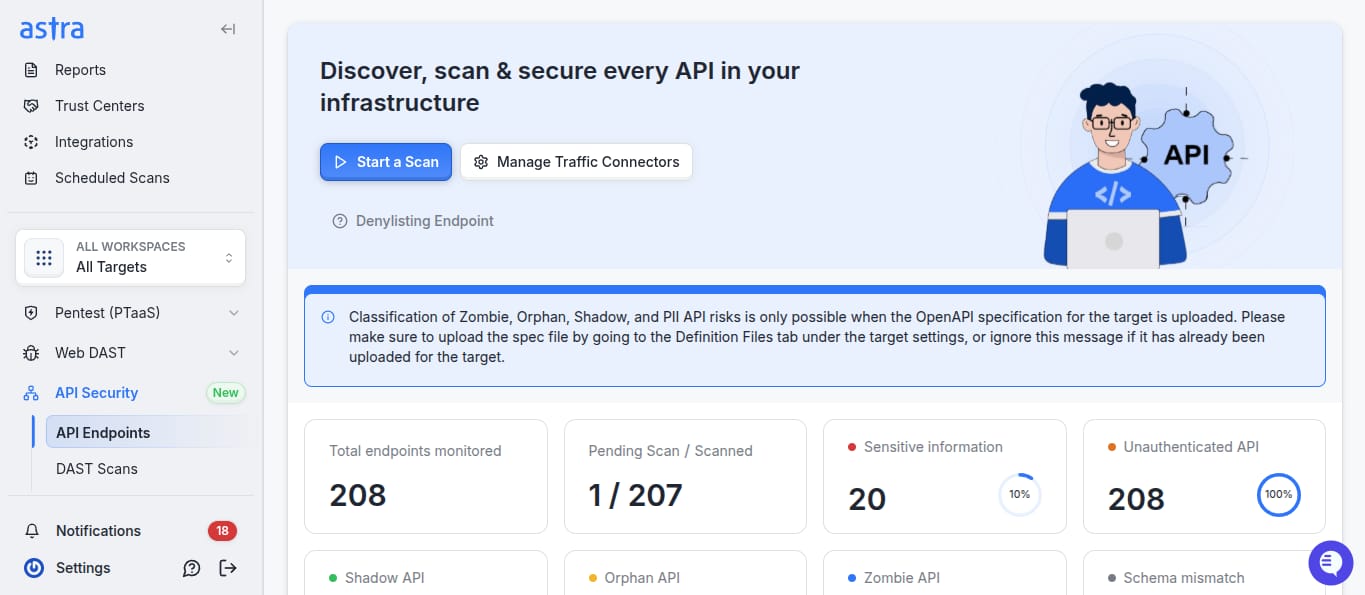
As a risk manager, you and your team need to conduct pre-contract security assessments, perform ongoing monitoring of vendor security posture (including open endpoints and shadow IT), and coordinate all incident responses for vendor-related security events.
The NIST risk management program must hence address the full spectrum of third-party relationships, including cloud service providers, managed service providers, subcontractors, and temporary personnel.
For each category of vendor, you’ll need to tailor your risk assessment approaches by considering the specific services provided, CUI access levels, and shared responsibilities. Risk managers must also ensure vendor contracts mandate necessary security requirements, incident notification procedures, and audit rights that enable continuous and not jerky compliance.
What Does This Mean for Cybersecurity Officers?
Access Control Architecture for CUI Protection
Cybersecurity officers’ primary role in answering ‘how to get NIST SP 800-171 certification) is to implement comprehensive access control systems that ensure only authorized personnel can access CUI based on specific job requirements and security clearances.
The access control architecture must address 22 individual requirements that cover user access, system access, privileged functions, and information flow controls. To ensure this entire affair runs smoothly, you need to integrate identity management systems, multi-factor authentication, privileged access management, and network access controls as part of your agile security architecture.
The key here is the balance between protection and productivity. Access controls must encompass various access scenarios, including remote work, mobile devices, temporary personnel, and emergency access procedures, while maintaining audit trails as simple as possible. The architecture must also readily disable access and have forensic investigation capabilities for when the clouds start to pour.
Comprehensive Audit and Accountability Systems
Logging and monitoring systems generate comprehensive audit trails for all CUI-related activities, facilitating both compliance validation and incident investigation to capture security-relevant events that take place within the CUI boundary, including user activities, system events, administrative actions, and security control operations.
It is up to you to ensure the audit and accountability system is robust enough to shield itself from unauthorized modification. One way to achieve this is to retain data only for the appropriate periods and analyze it regularly to identify suspicious activities and policy violations.
Under the same banner, major monitoring capabilities would include real-time analysis, detection, and alerting on suspicious activities, policy violations, and potential security incidents. Integrating this with your SIEM system and tech stack allows you to perform correlation analysis across multiple systems and automate responses to different event types seamlessly.
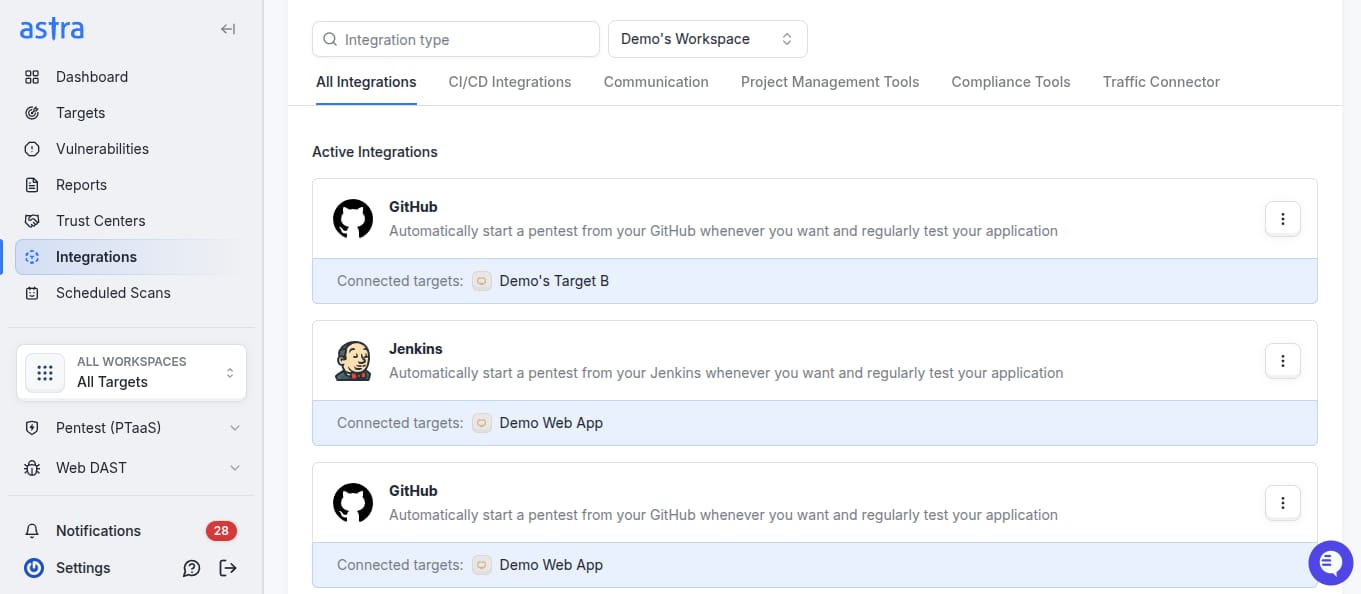
Your NIST SP 800-171 technical audit system for compliance must also support compliance reporting and regulatory inquiries by providing searchable, tamper-evident records of all security-relevant activities.
Configuration Management and System Integrity
Here, you need to maintain secure baseline configurations for all CUI handling systems. The implementations here include seamless integration of configuration management tools, vulnerability scanners, and change control processes.
The task here is to develop an NIST SP 800-171 compliance testing checklist that balances the hardening of security requirements against the growing operational needs as the data scales up in all dimensions. Agility is defined here by how efficiently and widely it implements emergency change procedures and incident scenarios that require rapid configuration changes.
NIST SP 800-171 Compliance Testing Checklist Mapped to 14 Families
| Control Family | Controls | Primary Focus | Critical Requirements |
|---|---|---|---|
| Access Control (AC) | 22 | • User permissions and system access • Session management and timeouts • Remote access controls • Mobile device management | Multi-factor authentication, least privilege implementation, session locks |
| Awareness and Training (AT) | 3 | • Personnel security education • Role-based training programs • Threat recognition capabilities | Comprehensive security awareness, insider threat training |
| Audit and Accountability (AU) | 9 | • Comprehensive logging systems • Audit record protection • Event correlation and analysis | SIEM implementation, log integrity, time synchronization |
| Configuration Management (CM) | 9 | • System baseline establishment • Change control processes • Software inventory tracking | Secure baselines, unauthorized change detection |
| Identification and Authentication (IA) | 11 | • User identity verification • Authentication mechanisms • Credential management | Multi-factor authentication, unique user identification |
| Incident Response (IR) | 3 | • Security incident procedures • Response team coordination • Lessons learned integration | 72-hour reporting, containment procedures |
| Maintenance (MA) | 6 | • System maintenance controls • Personnel supervision • Tool restrictions | Maintenance personnel screening, tool security |
| Media Protection (MP) | 9 | • Removable media controls • Storage protection • Sanitization procedures | Media encryption, secure disposal |
| Personnel Security (PS) | 2 | • Background screening • Access termination procedures | Security clearance verification, timely access removal |
| Physical Protection (PE) | 6 | • Facility access controls • Environmental monitoring • Visitor management | Controlled access areas, physical security monitoring |
| Risk Assessment (RA) | 3 | • Risk identification processes • Vulnerability management • Threat analysis | Regular risk assessments, vulnerability scanning |
| Security Assessment (CA) | 4 | • Control testing procedures • Remediation tracking • Continuous monitoring | Independent assessments, penetration testing |
| System and Communications Protection (SC) | 16 | • Network boundary controls • Encryption implementation • Secure communications | Firewalls, encryption at rest and in transit |
| System and Information Integrity (SI) | 7 | • Malware protection systems • System monitoring • Flaw remediation | Anti-malware deployment, system integrity monitoring |
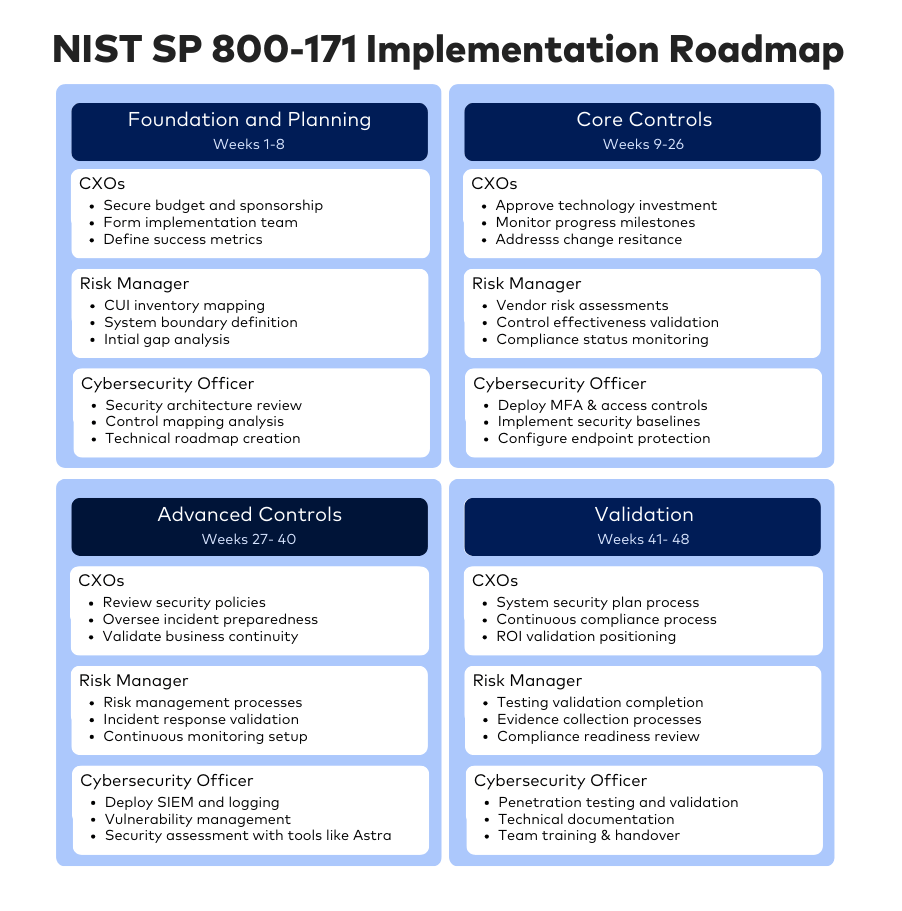
What is the Roadmap and Timeline for NIST SP 800-171 Technical Audit for Compliance?
Assessment and Continuous Monitoring
Self-Assessment Procedures and Requirements
To evaluate the implementations you’ve made across the 110 controls, you need to follow the NIST SP 800-171 DoD assessment methodology. This involves control testing, systematic evidence collection, and scoring that aligns with the compliance status for SPRS submission. For this, you need a team with high sector and technical expertise, as well as independence to ensure objectivity.
Regarding implementations, at a broad level, you need to include technical configurations, operational procedures, training records, and other relevant details. For scoring, you’ll need to follow the DoD methodology almost religiously to achieve the best accuracy and clarify the risk acceptances.
Third-Party Assessment and Validation Options
Obtaining an independent assessment and validation through a certified third-party vendor not only enhances the credibility of your control implementations but also helps identify gaps that internal assessors may overlook due to certain biases or organizational blind spots.
Also, the best vendor/assessor here will help you prepare for future CMMC requirements as well, since this certification requires mandatory third-party validation (especially for contracts beginning in 2026).
Continuous Monitoring and Compliance Maintenance
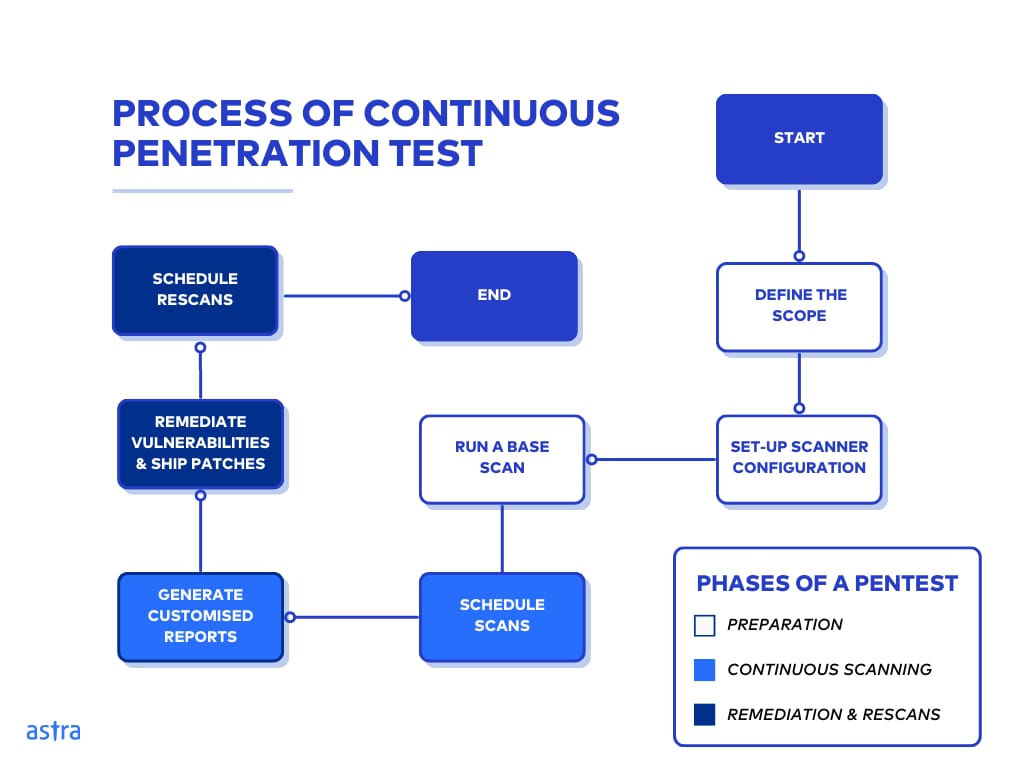
This means implementing monitoring systems that can track control effectiveness, detect configuration drift, and identify new vulnerabilities that can jeopardize your compliance status. But, first and foremost, you need to have monitoring procedures in place that include regular review cycles, escalation procedures, and integration with incident response processes for security-relevant events.
Evidence Collection and Maintenance for Audits
This includes tamper-evident storage, searchable retrieval capabilities, and integration with operational processes that automatically capture evidence. You also need to periodically review evidence procedures to maintain the accuracy of collections made as your systems and methods evolve.
What are Common Implementation Challenges?
Legacy System Integration and Modernization
Legacy systems often lack fundamental security capabilities such as MFA, comprehensive logging, or encryption support, requiring creative solutions that protect controls that compensate for their discrepancies or through system architecture modifications.
Pro-Astra Tip: Implement network-based security overlays and gateway solutions that can provide modern security controls as you develop your phased modernization plans.
Cloud Service Provider Shared Responsibility
Even though Cloud minimizes your data storage, access, and utilization costs and manpower requirements, it does, in return, create complex shared responsibility scenarios between you and your cloud service provider. Failing to address this will put you at risk of gaps in your compliance and control implementations, which may be exploited by threat actors.
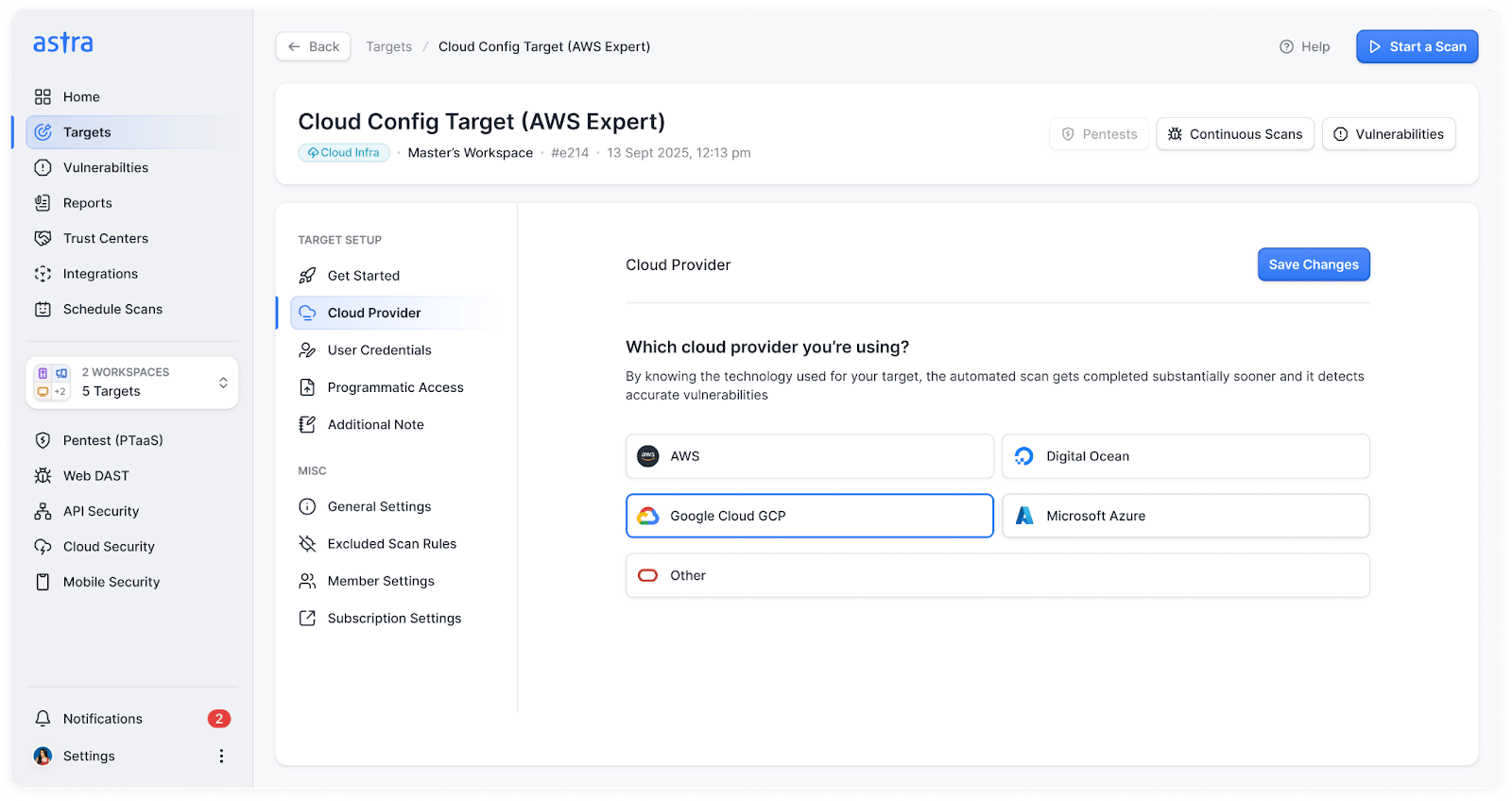
Pro-Astra Tip: Ensure your CSP maintains FedRAMP Moderate authorization and documents shared responsibility matrices that clearly define your control implementations.
Remote Work and Distributed System Challenges
With WFH settings becoming the new typical, such work environments introduce additional complexity in terms of access control, physical security, and audit accountabilities that were built on the traditional office commute model.
Pro-Astra Tip: Deploy virtual desktop infrastructure and zero-trust network architecture with centralised CUI processing. Also, implement secure remote access via firewalls and comprehensive monitoring at a data packet level.
Cost-Effective Compliance for Smaller Organizations
As a rising business, you may face disproportionate compliance costs, with initial implementation costs climbing upwards of $148,200, excluding maintenance costs, as you compete with larger contractors who have abundant resources at their disposal, while you try to squeeze out yours.
Pro-Astra Tip: Leverage managed security service providers and integrated security platforms that offer enterprise-grade capabilities with flexible and negotiable cost structures.
How Astra Security Enables SP 800-171 Success
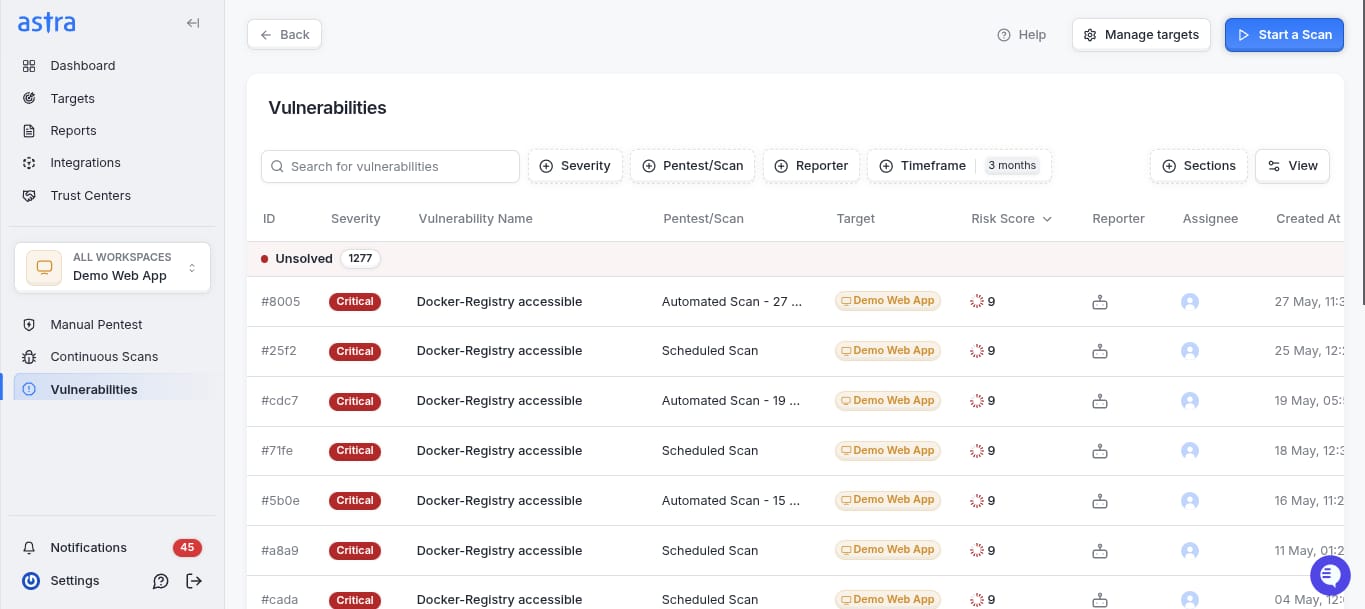
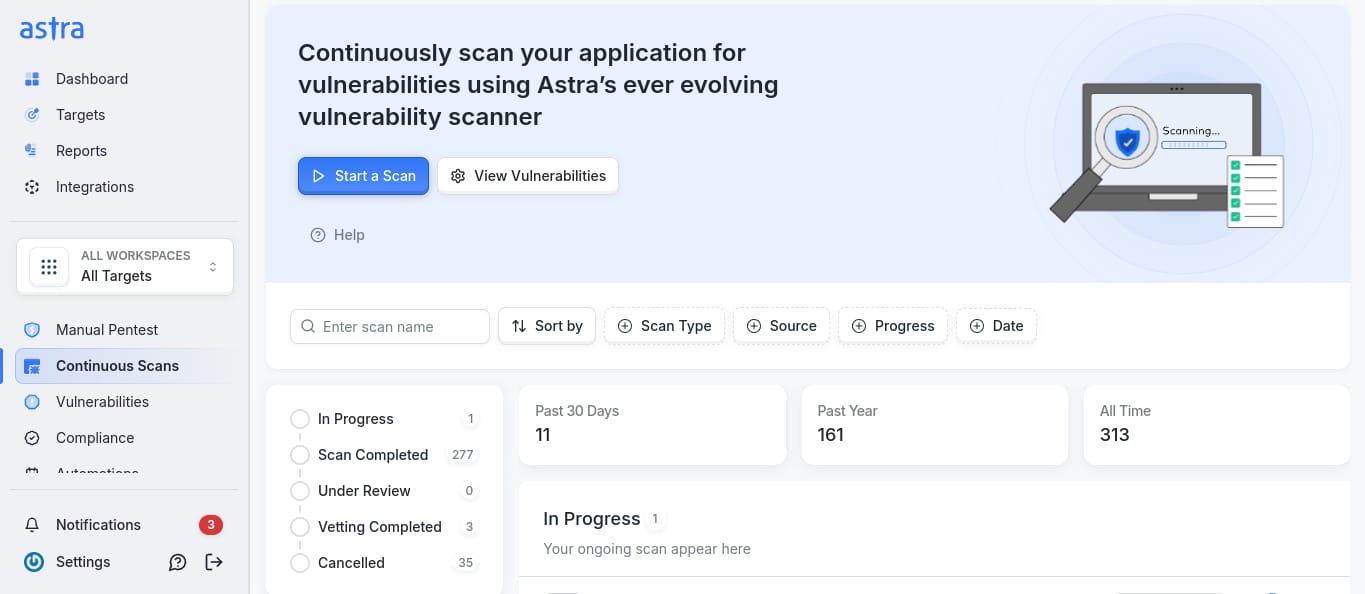
Simply put, Astra Security brings clarity and speed to NIST SP 800-171 compliance by utilizing a combination of continuous penetration testing, vulnerability management, and guided remediation on a single platform. Instead of juggling eight fragmented tools, you get a single, CXO-friendly dashboard where automated scans, manual penetration tests, and real-time expert support converge to provide proof of compliance.

Protecting CUI across 110 controls across 14 families with Security enables risk managers to accurately identify and map data and API endpoints, alongside emerging and hidden vulnerabilities such as business-logic attacks, giving your cybersecurity officer the confidence to self-assess and attest to compliance.
A few capabilities for comprehensive SP 800-171 gap assessment services include:
- 15,000+ automated and manual tests with zero false positives.
- Continuous API discovery and security for shadow, zombie, and undocumented endpoints.
- Direct collaboration with Astra’s security experts via Slack/Teams.
- Audit-ready reporting mapped to NIST SP 800-171 control families.
- Instant fix validation with free rescans and detailed video PoCs.
- Publicly verifiable Astra security certificate on a custom-tailored Trust Center
More than another NIST SP 800-171 applicant, Astra Security helps you position yourself as a trusted partner capable of protecting sensitive data, empowering federal missions, and use cases.
Final Thoughts
For decades, when it came to compliance, most organisations’ leadership remained insulated from the realities of implementation. NIST SP 800-171 fundamentally changes this dynamic by making compliance validation a discipline that not only mandates rigorous testing and continuous monitoring but also augments the strategies at a senior level to align with international and federal standards.
Today, you can no longer display policy documentation and configuration reviews and get by with certifications; you need to prove that your controls work against real-world threats through comprehensive VAPT assessments and monitoring.
Lastly, how to get NIST SP 800-171 certification is a business transformation that builds cybersecurity capabilities and positions you for sustained growth amidst the world’s most extensive customer base. By embracing comprehensive penetration testing and technical validation, you will not only achieve compliance and build security capabilities but also gain continued business in the federal information market space.
FAQs
What is NIST SP 800-171, and why is it important for federal contractors?
NIST SP 800-171 lists the security requirements for protecting Controlled Unclassified Information (CUI). It’s mandatory for federal contractors who process, store, or transmit CUI, and is a core eligibility criterion for securing government contracts in the said business sphere.
What are the consequences of SP 800-171 non-compliance?
Immediate contract termination, suspension from federal contracting, permanent debarment from government work, and criminal fraud charges for false compliance are some of the grave consequences of not complying with SP 800-171. Just to throw in a number, CUI incidents in general can cost you between $0.5 million to over $1 billion. Yup, it’s a B as in broke.
How long does it take to implement SP 800-171?
Based on the roadmap provided above, it generally takes around 9-12 months, using a structured four-phase approach, to get your organization SP 800-171 compliant. Moreover, timelines vary based on organization size, current security posture, and system complexity. Smaller organizations with limited systems may complete implementation faster, while large enterprises with complex environments may require additional time.