
Key Takeaways:
- With ransomware and supply chain attacks outpacing patch cycles, checklist-based audits and generic pentests no longer offer real protection.
- Threat-Led Penetration Testing (TLPT) closes this gap by simulating real adversaries using live threat intelligence and expert red teams.
- Born from financial sector mandates like CBEST and TIBER-EU, TLPT now extends across industries, reinforced by regulations such as DORA.
- Its process focuses on crown-jewel assets, real-time red-blue collaboration, and actionable reports that link technical risks to business impact.
- Tracking metrics like MTTD, MTTR, and Business Impact Reduction helps organizations measure true resilience and guide executive decisions.
- Realism, collaboration, and continuous learning make TLPT effective, turning tests into an evolving resilience strategy, not a one-off audit.
- Astra Security’s TLPT program blends AI-assisted manual testing, live threat updates, and dual-level reporting to validate readiness with confidence.
Basic security audits won’t stop ransomware criminals who move faster than most teams can deploy patches, especially now, as supply chain attacks leverage trusted partners, and advanced persistent threats (APTs) hide undetected in networks for months.
Fifty-two percent of organizations worldwide report at least one supply chain partner targeted by ransomware, putting their own networks dangerously at risk. In this environment, generic penetration tests or compliance checklists leave critical gaps open.
Threat-Led Penetration Testing (TLPT) changes the game. It simulates real hacker attacks against your organization, revealing a precise and realistic picture of your true risk areas and demonstrating how effectively your teams respond under pressure.
Stay one step ahead of attackers with expert-led threat simulations that mirror real-world adversaries and strengthen your defenses. (Book a threat-led pentest)
What is Threat-Led Penetration Testing (TLPT)?
Threat-Led Penetration Testing (TLPT) uses real-world attacker tactics and current threat intelligence to simulate targeted cyberattacks. Unlike generic tests, TLPT reveals actual vulnerabilities by mimicking sophisticated adversaries, providing a realistic assessment of an organization’s security and its readiness to respond to potential threats.
The approach originated from the financial sector, where regulators had pushed for more meaningful testing after years of static audits.
Frameworks like CBEST in the UK and later TIBER-EU set the tone, requiring organizations to move beyond “annual pentest reports” and instead prove they could withstand the same techniques criminal groups and nation-state attackers were using in the wild.
At the heart of TLPT are two things:
- Current Threat Intelligence: drawing from real-world incidents, such as how ransomware gangs exploited the MOVEit Transfer zero-day vulnerability to compromise thousands of organizations through a single software provider.
- Skilled Red Teams: human operators who can stitch those tactics together into an attack path that mirrors what an actual adversary would attempt.

Traditional vs. Threat-Led Penetration Testing
| Dimension | Traditional Pen Testing | Threat-Led Penetration Testing (Astra Security) |
|---|---|---|
| Scope | Narrow, predefined systems or applications | Focuses on critical business functions and crown jewels using broad automated coverage plus expert manual tests targeting real attacker behavior. |
| Methodology | Checklist-driven, often tool-heavy | Intelligence-driven, scenario-based testing combining AI-powered scans with manual pentesting simulating current sophisticated cyber-attack techniques. |
| Use of Threat Intelligence | Minimal, generic vulnerabilities | Utilizes up-to-date attacker tactics, sector-specific risks, and continuous monitoring to emulate real cyber adversaries targeting your environment. |
| Results | Technical list of issues and CVEs | Business-focused, actionable insights delivered via interactive dashboards with AI-generated remediation steps and expert support for rapid response. |
| Board-Level Impact | Limited, technical audience | Executive-ready reports aligned with compliance needs, providing clear security posture visibility and decision-making support for leadership teams. |
Regulatory changes have also influenced the shift toward TLPT. DORA in the EU will make it mandatory for financial entities from 2025. TIBER-EU already requires threat-led tests for critical firms. CBEST was the early blueprint in the UK, and similar frameworks are now emerging in energy, telecom, and other sectors that carry systemic risk.
Why TLPT? Benefits for Security & Compliance
- Realistic risk assessment: Deliver realistic risk assessments by tailoring attack simulations to your sector and unique threat landscape. A retail bank faces different attack patterns than a SaaS provider, and TLPT reflects those differences.
- Improved detection and response: Improve detection and response by involving your SOC and incident response teams live during testing. Their ability to spot, escalate, and contain threats gets measured in real time, not after the fact.
- Executive-level reporting: Provide executive-level reporting by mapping findings to business-critical functions. This clarity helps leadership understand which risks truly threaten operations, compliance, and customer trust.
- Compliance assurance: Ensure compliance assurance by aligning directly with frameworks like DORA, TIBER-EU, and CBEST. For regulated firms, TLPT satisfies auditors and demonstrates operational resilience in practice.
TIBER-EU, DORA, and Other TLPT Frameworks Explained
1. CBEST-UK: Launched by the Bank of England, CBEST was one of the first regulated TLPT programs. It focused on systemic financial institutions and set a template for intelligence-led testing.
2. TIBER-EU: Adopted by the European Central Bank, TIBER-EU expands the CBEST approach across member states. It requires the use of approved threat intelligence providers and certified red teams.
3. DORA (EU): The Digital Operational Resilience Act, in force from 2025, makes TLPT mandatory for financial entities. It requires explicit testing of “critical functions” to simulate how real-world attackers could disrupt operations.
Threat-Led Pentesting Process: Step-by-Step Walkthrough
1. Pre-engagement and Scoping

Every TLPT engagement starts with setting the scope to gain clarity. The first step is to define what the organization actually wants out of the test. Is the goal to achieve resilience against ransomware? To measure how quickly the SOC responds? Or satisfy a regulatory requirement?
Getting executive buy-in early is crucial because, without it, the scope tends to become diluted. The process should be able to identify ‘crown jewel’ assets (critical systems, data, and business functions) and then set the scope boundaries to decide what is in the test and what is out.
2. Intelligence Gathering & Attack Monitoring
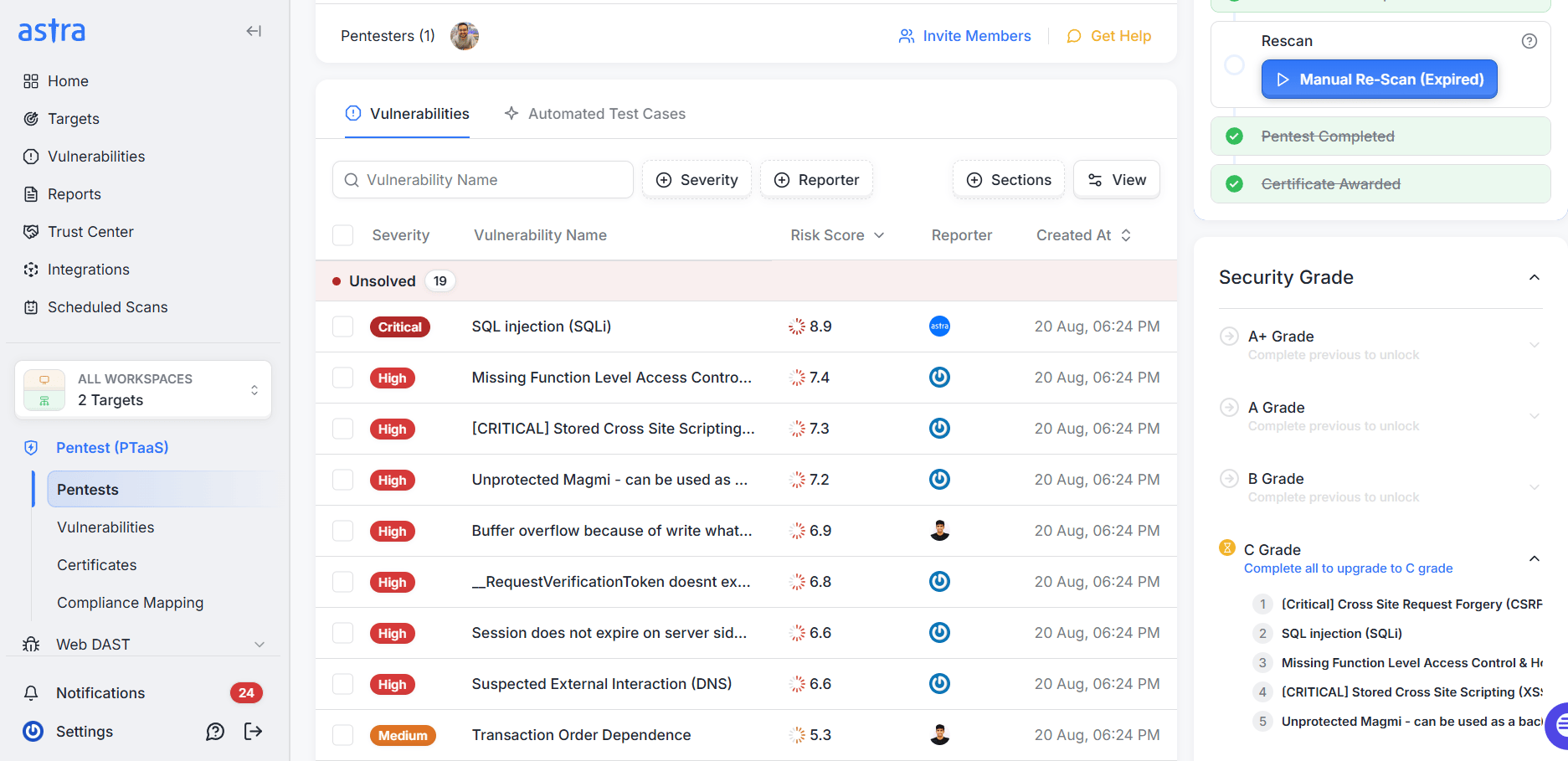
The main differentiator in TLPT is the intelligence phase, where threat intel provides research on:
- The latest attack patterns that are relevant to your sector.
- Known TTPs of adversaries likely to target your organization.
- Weak links in the ecosystem: both vendors and partners.
This phase also includes a social engineering assessment, which tests how attackers could potentially exploit human error to gain an initial foothold.
3. Simulation & Execution

Red team operators will then execute the attack simulation, not to hack everything, but with realistic attack paths, similar to how hackers would.
In the meantime, blue teams (defenders) and sometimes purple teams (a combination of red and blue teams) measure detection and response in real time. This is where organizations determine whether alerts are triggered at the right time and if their chosen response playbooks are effective.
4. Analysis & Reporting
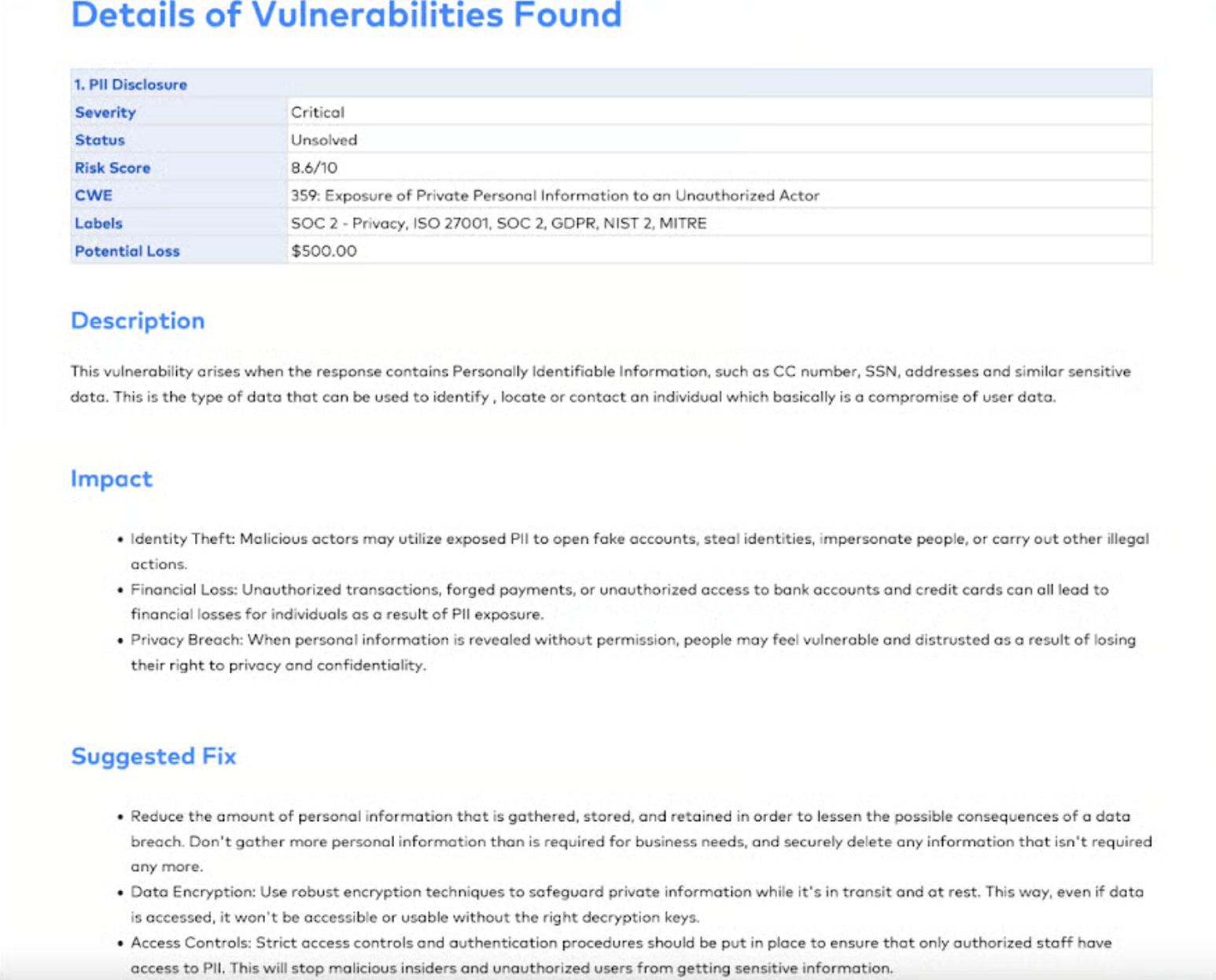
Once the simulation is complete, the findings are consolidated into a clear report that isn’t just a vulnerability list, but actually maps:
- Impact scoring on how critical functions were affected.
- Detection timeline with how quickly threats were noticed.
- Remediation guidance with practical steps that close gaps.
- Executive summaries with concise, business-friendly language for leadership/the board.
What Metrics and KPIs Should You Track?
Some of the key KPIs that should be tracked are:
1. Mean Time to Detect (MTTD): How long it took to spot the simulated attack.
2. Mean Time to Respond (MTTR): How effectively the incident was contained and remediated.
3. Attack Path Depth: How far attackers were able to move laterally without being stopped.
4. Business Impact Reduction: Whether critical systems and data were actually disrupted.
When these results are presented to the board, the focus should be more on the business outcome goals than on technical details. Some examples of this include if the time taken to detect the breach was two hours, the target can be set to thirty minutes.
In the same way, if customer-facing systems were not impacted, that can be construed as resilience. This will help non-technical members of the organization understand where the systems stand and where they could use more investment.
Some other risk-related metrics to track would be:
1. Critical Vulnerability Count: The number of critical vulnerabilities that were exploited during the test.
2. Threat Modeling Efficacy: How well your threat modeling process identified key risks and informed the pentest score and depth.
3. Cost Per Incident: The average cost associated with handling a security incident, which can be reduced by a mature threat-led pentesting program.
Threat-Led Pentesting Best Practices & Pitfalls to Avoid
1. Map Tests to Crown Jewels
Don’t spread your resources too thin. Focus simulations on only the assets and functions that truly matter to your operations.
This will help keep the focus on business continuity rather than low-impact vulnerabilities and prioritize revenue streams, which is what the board cares about, not whether a test server was exposed.
2. Foster Effective Red/Blue Collaboration
A threat-led pentest isn’t supposed to be a blame game. Purple teaming, which is when both teams share insights, helps improve functions faster.
Sharing real-time feedback will help prevent the same mistakes from recurring, improve learning, and build trust between defenders and security operators.
3. Commit to Continuous Improvement
The test is just the beginning of the ongoing process to improve security and should slot into your broader resilience strategy rather than being a one-off project. Track the lessons learned through testing, adjust your playbooks, and repeatedly re-test as required.
Over time, you’ll see measurable improvements in detection speed, response accuracy, and overall confidence in handling advanced attacks.
4. Manage Business Disruption Risks
Any live simulations can be sensitive. Make sure to coordinate with business leaders to set specific guardrails and avoid unnecessary downtime and reputational risk.
Make sure to build contingency plans for systems that can’t afford even momentary disruption, and communicate this clearly with all stakeholders.
Common Challenges & How to Overcome Them
1. Scoping Errors
One of the most common mistakes we see is inadequate scope definition. Either the net is cast too wide, diluting focus, or it’s too narrow, leaving critical assets untested, which results in a false sense of coverage.
The fix isn’t just “better scoping,” but involving business leaders early to define what’s truly mission-critical clearly. TLPT only delivers value if it’s centered on your crown jewels.
2. Over-Reliance on Automation
Automation has its place, but attackers don’t operate like scanners. Business logic flaws, payment manipulation, and lateral movement often slip past automated tools.
This doesn’t mean abandoning automation, but using it as a foundation, then layering in manual red team expertise. That’s where simulations begin to resemble real-world adversaries.
3. Lack of Test Realism
If your test scenarios don’t mirror actual tactics used by threat actors in your sector, the entire exercise can be misleading. Teams end up preparing for the wrong fight.
Realism means incorporating current threat intelligence, sector-specific attack patterns, and even supply chain risks. Without this, TLPT is just another box-ticking exercise.
4. Difficulty Aligning Outputs With Board Priorities
Even when tests are well-executed, results often become stuck at the technical level. Executives don’t just need to know what was exploited; they also need to understand its impact on revenue, compliance, and customer trust.
Translating findings into board-ready language is what turns TLPT from a technical drill into a strategic lever.
5. Skill and Resource Constraints
Running a credible TLPT requires experienced red teamers, threat intelligence analysts, and blue team collaboration. Many organizations simply don’t have that depth in-house.
Outsourcing or co-sourcing with experienced partners ensures the exercise has the right level of sophistication, without overwhelming internal teams. Choosing the right pentesting providers is crucial to ensure your threat-led testing aligns with genuine adversarial tactics.
How Astra Helps With Threat-Led Penetration Testing
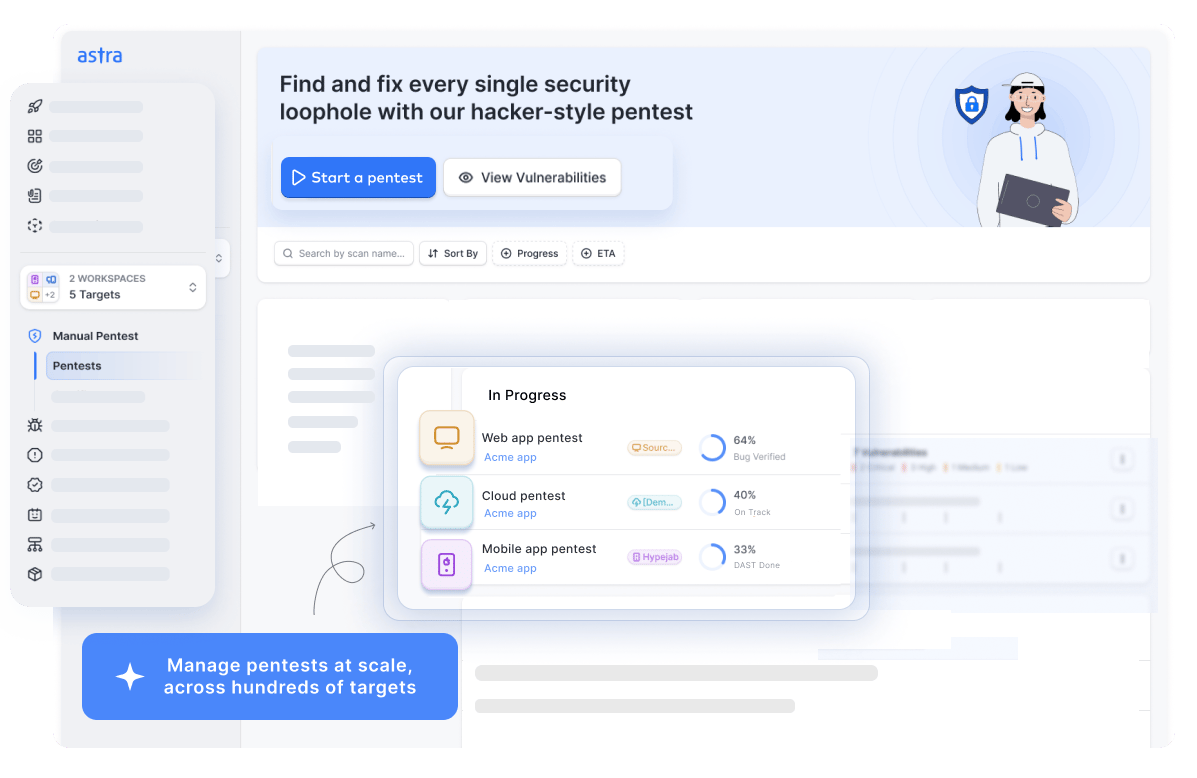
Key Features:
- 15,000+ evolving test cases updated fortnightly.
- AI-augmented manual pentesting for deep coverage of business logic flaws.
- Blended automation + red team expertise to capture both scale and nuance.
- Integrations with Slack, Jira, GitHub, GitLab, and Jenkins for real-time remediation loops.
- Executive-ready reporting with tailored outputs for both boards and technical teams.
- Compliance coverage across ISO 27001, SOC 2, HIPAA, GDPR, and more.
- Hands-on guidance from OSCP, CEH, and eWPTXv2-certified professionals.
Threat-led pentesting needs more than a toolkit or a list of steps to follow. The tester needs to be able to simulate how real-world adversaries would target your assets. Astra Security’s platform helps build this ideology into every stage of testing – both manual and automated.
Validate your organization’s readiness against real-world threats with confidence. Astra’s intelligence-led, human-driven TLPT approach mirrors the exact tactics attackers use in your cloud or on-prem setup.
Companies tend to struggle with translating test findings to different technical and managerial levels. Astra bridges this gap through dual-layered reporting: developers receive precise, reproducible steps for remediation, while CXOs get a distilled view of business impact and resilience.
Final Thoughts
Threat-led penetration testing helps you measure your systems’ resilience against the kind of attacks that are happening right now. As ransomware groups continually exploit organizations and APTs remain undetected for months, relying on checklist testing can be very dangerous.
Leadership prioritizes not only finding vulnerabilities but also understanding how attacks on specific flaws would impact operations, trust, and compliance. Effective TLPT programs start small, focus on the most critical assets, and then repeat the testing process.
As regulations like DORA and frameworks like TIBER-EU raise the bar, the companies that embrace intelligence-led testing now will be better prepared for what’s next. Try the Astra Security demo for free today, and see if it is the right fit for your organization.
FAQs
1. How is threat-led penetration testing different from traditional pentesting?
Traditional pentests follow predefined checklists, while TLPT uses live threat intelligence and red team simulations to mimic real attackers. It tests not just vulnerabilities but also your organization’s detection, response, and overall resilience against evolving, sector-specific threats.
2. Why are frameworks like CBEST, TIBER-EU, and DORA important for TLPT?
These frameworks standardized TLPT by making intelligence-led, adversary-style testing mandatory for critical sectors. They ensure organizations move beyond annual compliance reports and instead prove their ability to withstand real-world attacks in line with evolving threat landscapes and regulatory expectations.
3. What metrics help measure the success of a TLPT engagement?
Key metrics include Mean Time to Detect (MTTD), Mean Time to Respond (MTTR), and Business Impact Reduction. Together, they show how quickly teams identify and contain threats, and how effectively critical systems and customer-facing operations remain protected.
4. How does Astra Security support organizations with TLPT?
Astra blends AI-driven automation with expert manual testing to simulate real-world attack paths. Its fortnightly updated test cases, seamless integrations, and dual-level reporting help both technical teams and executives assess resilience and strengthen defenses against evolving adversary tactics.