APIs are business-critical assets, yet organizations overlook proper API security, relying on outdated tools built for web applications instead of modern API-driven ecosystems. The problem isn’t just bad coding practices but also API visibility, authentication gaps, and unchecked business logic flaws.
API security requires dedicated and specific testing that understands how APIs are attacked; traditional scanners fail to keep up with that. Not all API security scanners are built for this, as some focus on static code while others work on runtime attacks. The key is choosing the right set of tools that, while automating security tests, give you real-time insights on how the APIs can be compromised.
In API security, the biggest risk is never the ones you see but the ones that are not even tested for yet!
What Are API Security Scanners?
API security scanners are a collection of automated tools used to test and scan APIs for security vulnerabilities. These scanners are deployed on the API systems to uncover vulnerabilities like injection attacks, data exposure, broken authentication, or security misconfigurations.
Integrating these scanners into the API development lifecycle allows you to detect threats proactively, preventing breaches and ensuring compliance.
Astra API Security Platform where offensive testing meets live traffic intelligence
- Complete API observeability
- 15000+ DAST test cases
- Risk classification & scoring

Types of API Security Scanners
1. Static Application Security Testing (SAST) Tools
SAST tools are ideally used on the APIs to analyze its source code, binaries, and byte code without executing the APIs. These are ideally used in the early stages of security testing, which empowers developers and security experts to detect weak encryption, hardcoded secrets, and insecure coding practices before deploying the APIs.
Benefits of SAST Tools:
- Early detection of vulnerabilities
- Since no execution is required, they are fast and efficient
- Integrates into the CI/CD pipeline for continuous testing
2. Dynamic Application Security Testing (DAST) Tools
DAST Tools are used on the APIs while simulating real-world attacks to look for vulnerabilities like broken access controls, injection flaws, and authentication and session management issues. DAST does not require the API source code and is used to perform black-box testing on the APIs.
Benefits of DAST Tools:
- Proactively detects runtime vulnerabilities
- Simulates real-world techniques to cover more attack surfaces
API Security starts with visibility, you can’t secure what you can’t see. With Astra API Security Platform, you get:
- Complete API observeability
- Continuous offensive DAST tests
- AI-powered fixes, developer-first workflows
3. Interactive Application Security Testing (IAST) Tools
The IAST tool is like a mixture of SAST and DAST tools that provide real-time security analysis of the running APIs. They run numerous tests on the running APIs and collect insights, allowing them to provide accurate results.
Benefits of IAST Tools:
- Provides real-time insight on API security
- Provides a mix of SAST and DAST for better results
Top 5 API Security Scanners
Dynamic Application Security Testing Tools
1. Astra Security [Get Started]
Key Features:
- Platform: Cloud-based SaaS
- Capability: Automated + manual API pentesting (15,000+ test cases)
- Accuracy: High, minimal false positives (vetted by security experts)
- Compliance: PCI-DSS, HIPAA, ISO 27001, SOC 2
- Integrations: Slack, Jira, GitHub, GitLab, Jenkins
- Expert Remediation: Yes (AI-assisted + human support)
- Pricing: Starts at $1,999/year
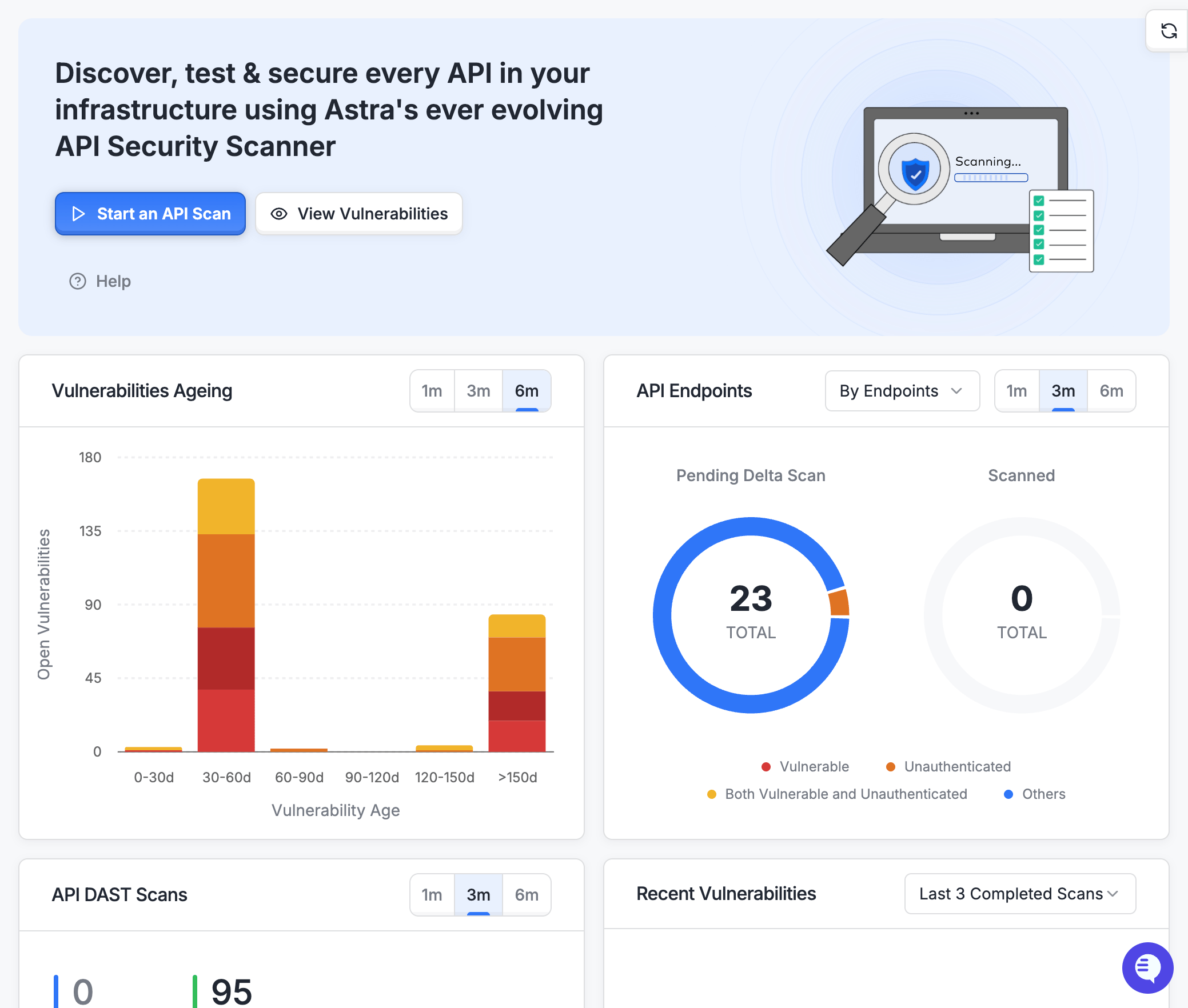
Astra Security’s API Security Platform hat goes beyond surface testing by continuously running 15,000+ authenticated attack cases against your APIs. It identifies risks such as broken access controls, weak authentication, zombie/shadow APIs, and data leaks, and combines automation with manual penetration testing to ensure minimal false positives and comprehensive real-world coverage.
With integrations into developer workflows (CI/CD, GitHub/GitLab, Jira, Slack), Astra enables teams to validate and retest fixes instantly, reducing MTTR below industry averages. Detailed compliance-ready reports (PDF/CSV/JSON) simplify audits for PCI-DSS, HIPAA, SOC 2, and ISO 27001.
Pros:
- Automated + manual pentesting ensures accuracy
- Detects hidden/shadow/zombie APIs, not just active ones
- Actionable remediation guidance with AI + expert input
- Developer-friendly integrations speed up patching
Limitations:
- Astra offers a $7 one-week trial instead of a free trial.
API Security starts with visibility, you can’t secure what you can’t see. With Astra API Security Platform, you get:
- Complete API observeability
- Continuous offensive DAST tests
- AI-powered fixes, developer-first workflows
2. Burp Suite
Key Features:
- Platform: Desktop Applications
- Capability: Automate + Manual API Pentesting
- Accuracy: High, possible false positives
- Compliance Support: OWASP, PCI-DSS, ISO27001
- Integrations: Jenkins, CI/CD pipelines, REST API Integrations
- Expert Remediation: No
- Pricing: Free, Enterprise version for $399/year
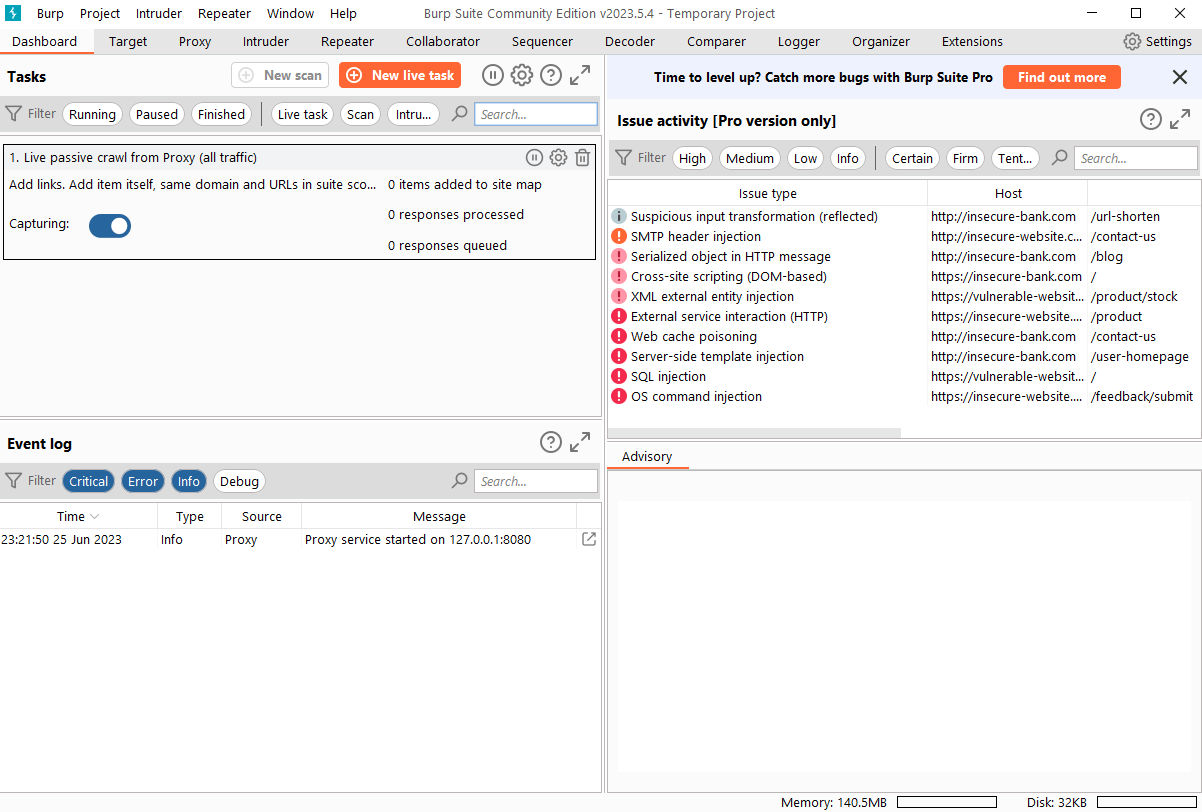
Burp Suite is a penetration testing tool widely used for manual and automated API security testing. Security professionals prefer Burp Suite for its high accuracy in detecting vulnerabilities and its deep testing capabilities. It excels at intercepting API traffic, modifying requests, and uncovering vulnerabilities.
Pros:
- Highly customizable for deep tests
- Offers a variety of extensions to enhance performance
- Automates routine testing processes
Limitations:
- Crashes and socket connection errors have been reported
- Does not highlight information leakage, such as personal and financial data
Static Application Security Testing Tools
3. Checkmarx
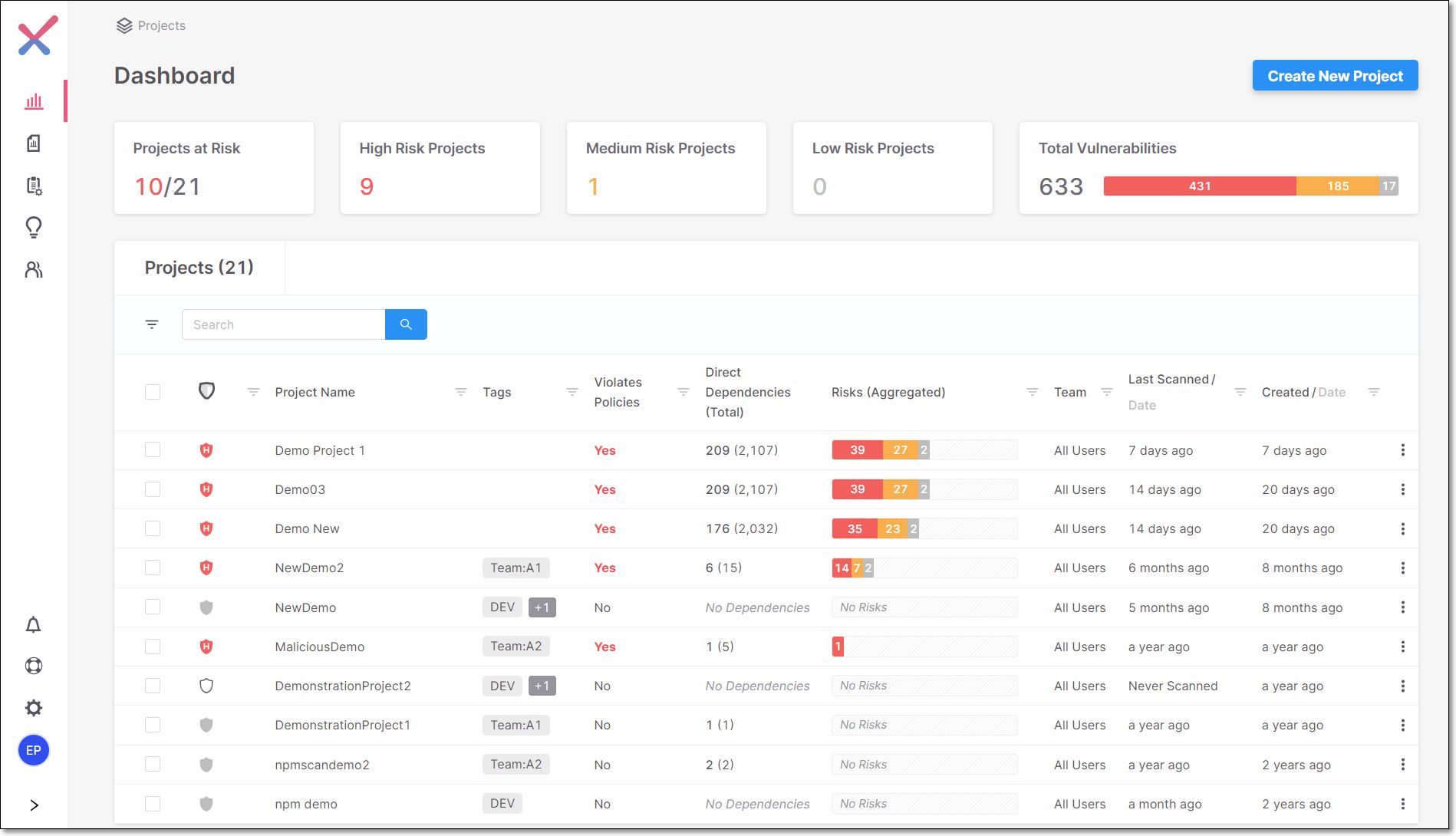
Key Features:
- Platform: Cloud & On-premise
- Capability: Automated static code analysis
- Accuracy: Moderate with some false positives
- Compliance Support: OWASP, NIST, GDPR, ISO27001
- Integrations: GitHub, GitLab, Jenkins, Jira
- Expert Remediation: No
- Pricing: Provides custom pricing
Checkmarx is one of the leading tools that can scan the API source code for vulnerabilities before deployment. It is an SAST tool that allows early detection of security misconfigurations in the APIs, hardcoded secrets and credentials, and weak encryption standards and ensures that secure coding practices are in place.
Pros:
- Comprehensive static analysis tests
- Seamless CI/CD Integration
Limitations:
- High false positive needs manual intervention
- Cloud be expensive for smaller teams
4. SonarQube
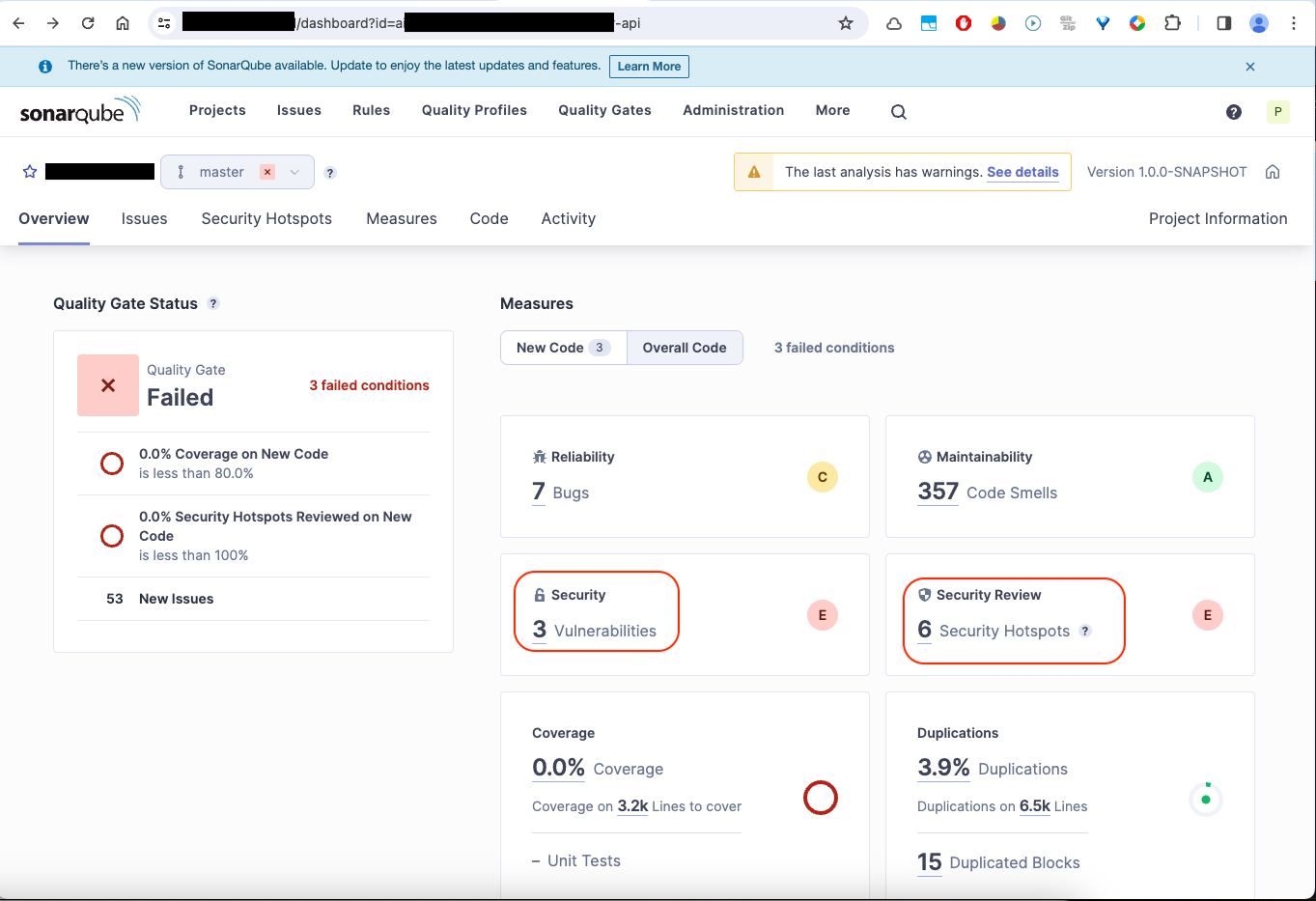
Key Features:
- Platform: Cloud & On-premise
- Capability: Static code analysis
- Accuracy: Higher false positives
- Compliance Support: OWASP, CWE, ISO27001
- Integrations: GitHub, GitLab, Jenkins, Bitbucket
- Expert Remediation: No
- Pricing: Free, Enterprise version for $150/year
SonarQube is an open-source tool developed to scan APIs and their source code for vulnerabilities and code quality issues. It is one of the most widely used SAST tool for automated security needs in the API development lifecycle.
Pros:
- Customizable as it is an open-source tool
- Supports multiple languages and frameworks
Limitations:
- Higher false positives
- Limited API specific security scans
Interactive Application Testing Tools
5. Invicti
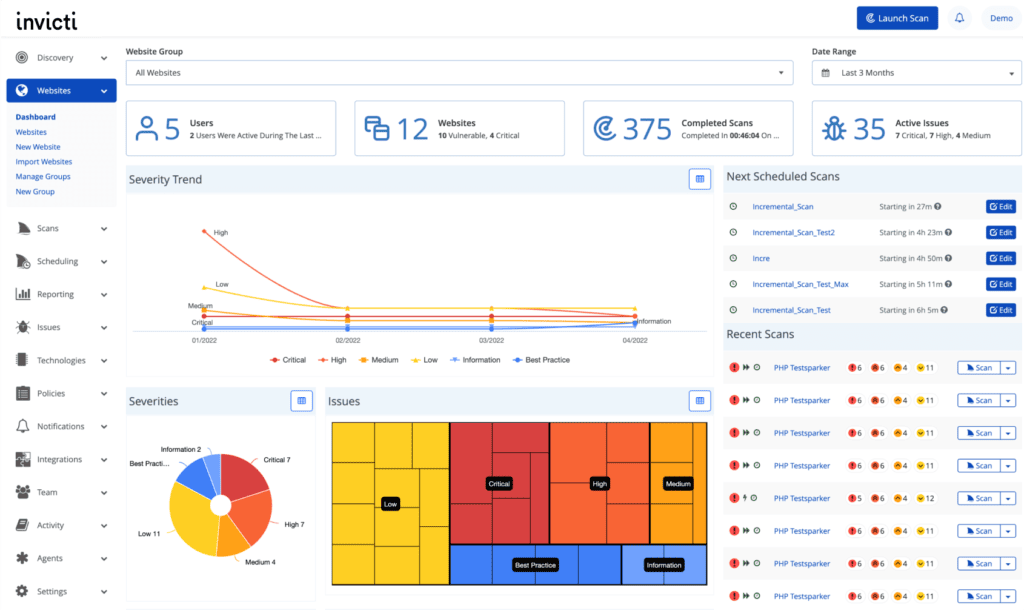
Key Features:
- Platform: Online
- Capability: Automated scanning
- Accuracy: High, minimal false positives
- Compliance Support: OWASP, PCI-DSS, ISO27001, GDPR, HIPAA
- Integrations: Slack, Jira, GitHub, GitLab, Jenkins
- Expert Remediation: Yes
- Pricing: Provides custom pricing
Invicti is an IAST-based API security scanner that provides real-time security testing within a running API. It combines static and dynamic analysis, reducing false positives and improving accuracy.
Pros:
- Highly accurate scans
- Best for continuous security in DevSecOps workflows
Limitations:
- Higher pricing than most scanners
- Requires deployment within the scanner
Astra API Security Platform where offensive testing meets live traffic intelligence
- Complete API observeability
- 15000+ DAST test cases
- Risk classification & scoring
How To Choose The Right API Security Scanner?
Type of Scanning – SAST tools detect vulnerabilities in source code before deployment, DAST tools identify runtime vulnerabilities, and IAST tools offer real-time security validation.
Ease of Use – Look for tools that integrate seamlessly into CI/CD pipelines with automated scans, descriptive and easy-to-navigate dashboards, and minimal manual setup.
Vulnerability Coverage – Look for a scanner that covers a wide range of vulnerabilities, from OWASP Top 10 API to various authentication issues, injection attacks, and business logic flaws.
Reporting & Remediation – Choose a scanner that provides detailed vulnerability reports with proper steps and actionable mitigation suggestions. They should also offer compliance-ready reports to help stay compliant with regulatory standards.
Final Thoughts
APIs are critical to modern applications, and securing them is no longer optional. Choosing the right API security scanner depends on your organization’s security needs, development stage, and budget. Whether you need SAST for early detection, DAST for runtime security, or IAST for real-time analysis, the right tool can prevent costly breaches before they happen.