Key Takeaways
- Purpose: CMMC 2.0 certification ensures defense contractors can protect Controlled Unclassified Information (CUI) and maintain eligibility for DoD contracts
- Scope: Applies to all defense contractors handling CUI, from small suppliers to prime contractors
- Timeline: Full implementation expected by 2025, with phased rollout already initiated in 2024
- Levels: Three certification levels (Foundational, Advanced, Expert) based on information sensitivity
- Authority: Only authorized C3PAOs can conduct Level 2 and Level 3 assessments
Most defense contractors focus on winning contracts, delivering on time, and maintaining quality. However, the reality is that without CMMC certification, you won’t even qualify to bid. The Cybersecurity Maturity Model Certification exists for one primary reason: to protect the defense industrial base from >$600 billion annual cost of intellectual property theft (per Forbes) targeting defense information.
If you’re handling Controlled Unclassified Information—from technical drawings to logistics data—you’re holding assets that foreign adversaries actively target. CMMC certification is the line between remaining in the defense market and watching contracts go to certified competitors.
Why is CMMC 2.0 Certification Pentesting Important?
The Defense Supply Chain Security Crisis
Between 2018 and 2023, multiple state-sponsored actors compromised over 300 defense contractors, extracting technical data worth an estimated $225 billion in R&D investments, according to the DoD Cyber Crime Centre reports.
This rendered the previous self-attestation methodology under DFARS 252.204-7012 futile when audits revealed that less than 30% of contractors claiming compliance actually met the requirements. This gap created what the Pentagon termed “the most significant vulnerability in the defense supply chain.
What are the Numbers that Drove the Change?
- 2019: APT40 breach of naval contractors exposed submarine technology
- 2020: Small businesses faced over 700,000 attacks, which caused a total of $2.8 billion in damages.
- 2021: Operation VOLT TYPHOON targeted 23 defense suppliers
- 2021: The Accellion FTA hack was the most damaging data breach of 2021, causing problems for 31 businesses and impacting over 5.6 million users, according to information from Accellion and its clients.
- 2024: The Salt Typhoon Cyberattack leaked data from over 8 telecom companies that had multiple communications from the DoD.
The Self-Attestation Problem
Foreign Adversary Exploitation
Smaller contractors become easy entry points to larger systems within the defense’s data and IT ecosystem for multiple national-threat actors. A 2023 CISA analysis revealed that 89% of defense supply chain breaches originated from sub-tier suppliers with fewer than 500 employees.
| Attack Vector | Frequency | Primary Targets | Success Rate |
|---|---|---|---|
| Phishing campaigns | 43% | Email systems | 67% |
| Unpatched vulnerabilities | 31% | VPN/Remote access | 78% |
| Supply chain compromise | 18% | Software updates | 82% |
| Insider threats | 8% | Privileged accounts | 91% |
The Certification Journey: Level by Level
CMMC Level 1: Foundational Cybersecurity
Level 1 focuses on protecting Federal Contract Information (FCI) through 17 basic safeguarding requirements. It sets the security foundation that supports higher certification levels while protecting against common urgent threats.
The situation is so dire that organizations often underestimate the documentation requirements, even at this basic level, and discover that policies and procedures need a formal structure for even simple security measures.
Implementation Timeline: 30-60 days
Key controls include:
- Use of anti-virus software
- Regular software updates
- Unique user identification
- Physical access restrictions
- Basic incident response procedures
CMMC Level 2: Advanced Cybersecurity
Level 2 requires the full implementation of NIST SP 800-171, which protects CUI through comprehensive security programs. The complexity of Level 2 implementation may seem overwhelming at first, especially if you assume that your existing security measures provide adequate coverage.
The integration between control families means that isolated solutions rarely satisfy the requirements an assessor posits, demanding a holistic security architecture that addresses controls systematically rather than individually.
Implementation Timeline: 6-12 months
Critical requirements:
- Access Control: Least privilege, separation of duties, remote access management
- System Integrity: Vulnerability scanning, malware protection, system monitoring
- Incident Response: Formal procedures, forensic capabilities, reporting mechanisms
- Risk Management: Regular assessments, supply chain evaluation, continuous improvement
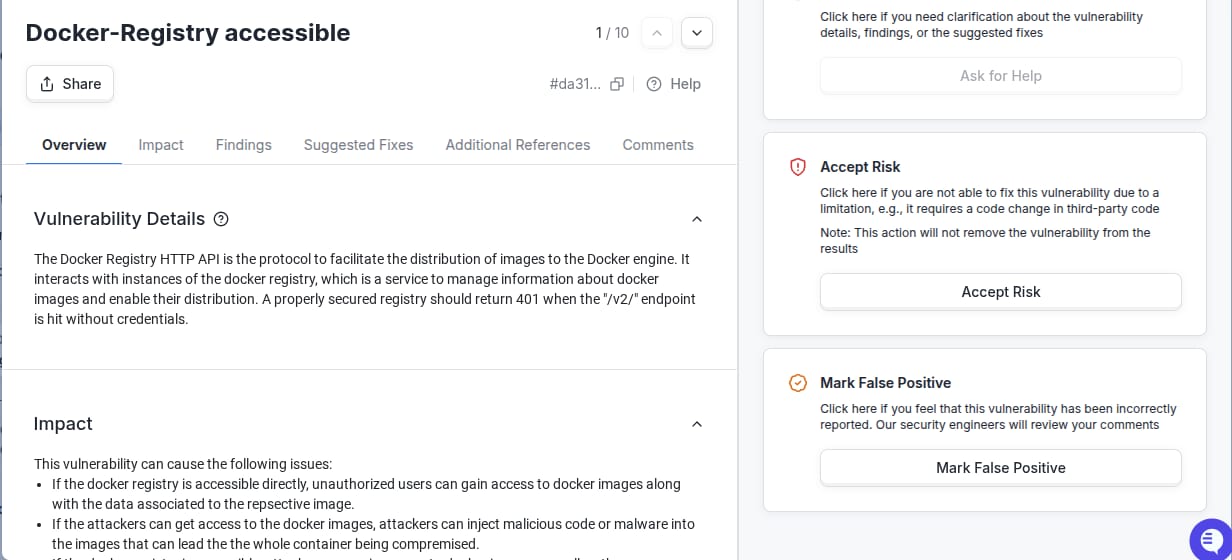
CMMC Level 3: Expert Cybersecurity
Achieving CMMC Level 3 gets you the Expert in Cybersecurity badge as you add advanced practices from NIST SP 800-172 for critical national security programs. Level 3 organizations operate more like intelligence agencies than traditional businesses, with security considerations that influence every operational decision.
The investment you make here reflects the critical nature of the information you protect and the sophistication of the threats that lust for it.
Implementation Timeline: 12-18 months
Enhanced requirements:
- Threat hunting capabilities
- Advanced persistent threat defenses
- Supply chain risk management
- Penetration testing programs
- Security operations center (SOC)
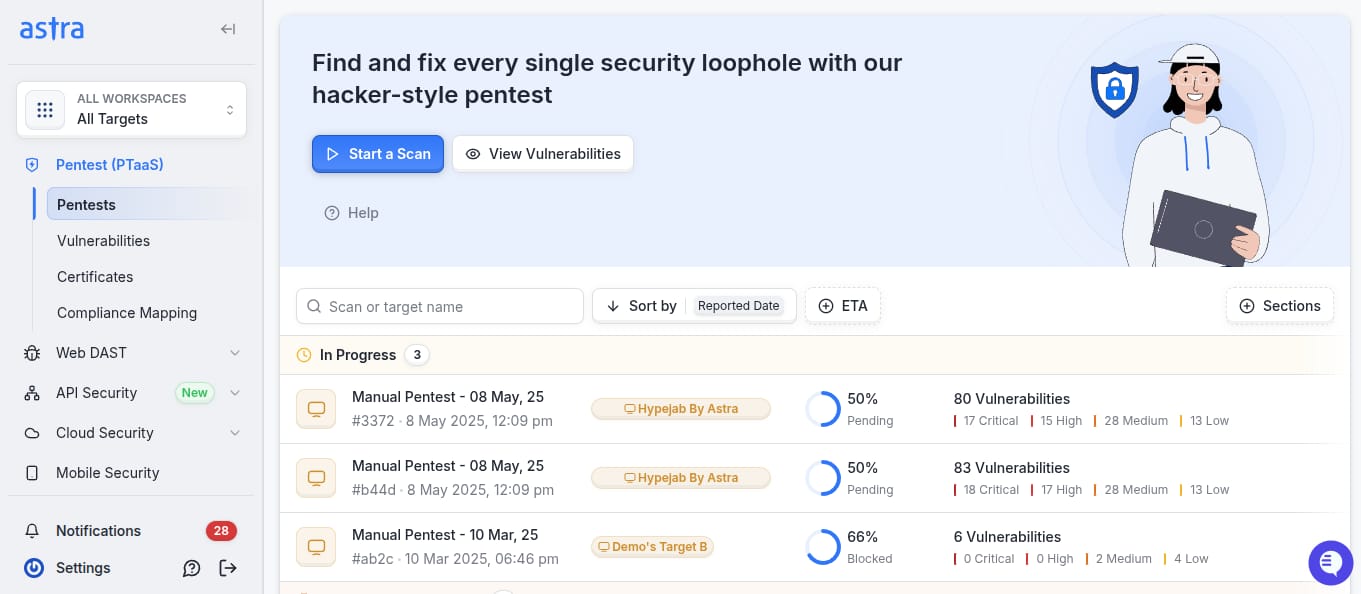
What is the CMMC 2.0 Framework?
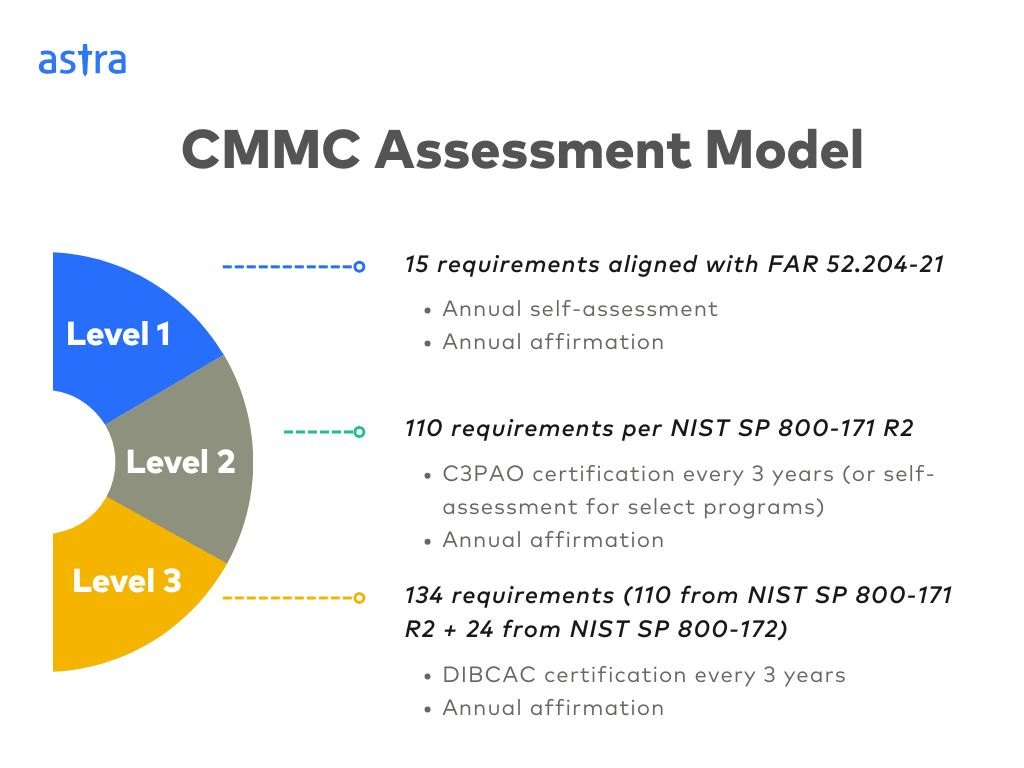
CMMC 2.0 streamlines the original five-level model into three distinct certification tiers, each mapped to specific contract requirements and information sensitivity levels:
| Level | Practices | Assessment Type | Contract Eligibility | Recertification |
|---|---|---|---|---|
| Level 1 (Foundational) | 17 practices | Self-assessment | FCI contracts only | Annual |
| Level 2 (Advanced) | 110 practices | C3PAO assessment | CUI contracts | Triennial |
| Level 3 (Expert) | 110+ practices | Government-led | Critical programs | Triennial |
The 110 Security Controls Framework
Level 2, which affects 80% of defense contractors, requires the implementation of all 110 practices outlined in NIST SP 800-171. These span 14 control families:
- Access Control (AC) – 22 controls
- Awareness and Training (AT) – 3 controls
- Audit and Accountability (AU) – 9 controls
- Configuration Management (CM) – 9 controls
- Identification and Authentication (IA) – 11 controls
- Incident Response (IR) – 3 controls
- Maintenance (MA) – 6 controls
- Media Protection (MP) – 9 controls
- Personnel Security (PS) – 2 controls
- Physical Protection (PE) – 6 controls
- Risk Assessment (RA) – 3 controls
- Security Assessment (CA) – 4 controls
- System and Communications Protection (SC) – 16 controls
- System and Information Integrity (SI) – 7 controls
What is the Assessment Methodology Evolution?
Under the previous DFARS model, organizations essentially graded their own homework, creating a system where claimed compliance rarely matched actual security posture. Think of it like allowing students to grade their own exams…the temptation to overlook deficiencies became overwhelming as contracts worth millions dangled in front of them.
This is where Certified Third-Party Assessment Organizations come into the picture, and they do so not as a sidekick, but as the protagonists within the CMMC certification sphere.
C3PAOs are certified doctors, surgeons, and nurses all in one; they possess both technical competency and assessment methodology expertise and offer a structured approach that combines automated testing with human insight to comprehensively diagnose and cure your security posture of the vulnerabilities and zero-day exploits that may currently plague it.
The assessment process timeline typically spans four to six weeks from initiation to final report delivery. It begins with a comprehensive document review, where assessors examine not just the policies and procedures, but their practicality and how well they assimilate within your organization’s values and vision.
Technical testing follows, incorporating vulnerability scans that probe your network perimeter and internal systems, penetration tests that simulate real-world attack scenarios, and configuration reviews that verify controls function.

Personnel interviews form a critical component that many organizations underestimate. Assessors don’t simply verify that your security team knows the controls; they interview personnel across all levels to ensure security awareness permeates your culture. A help desk technician who cannot explain basic incident reporting procedures signals deeper organizational gaps that policies alone cannot address.
Next comes statistical evidence sampling, which provides a quantitative basis that elevates you from anecdotal control implementation to actually measuring your security effectiveness. This includes sampling your access logs, vulnerability scan reports, and incident response records to verify that controls operate consistently over time rather than just during assessment periods.
This approach targets organizations that implement “security theatre,” impressive demonstrations that lack sustained operational effectiveness.
What Does This Mean for CXOs?
Business Survival Implications
Think of CMMC certification as a switch for your defense market participation—you either have it or you’re out.
With a fiscal defense budget request of $849.8 billion (2025), you stand at the brink of an enormous market opportunity that becomes completely inaccessible without proper certification. This isn’t gradual market erosion where you lose some competitive edge; it’s complete elimination from bid consideration regardless of your technical capabilities, pricing advantages, or historical relationships.
Competitive Market Positioning
The phased implementation schedule devised for CMMC requirements, which spans over three years, means that obtaining an early certificate offers you immediate competitive advantages, such as capturing market share. At the same time, competitors scramble to meet the requirements.
Prime contractors increasingly view certified partners as firms with minimal risk exposure and simplified supply chain management. This positions them as preferred vendors who can help prime contractors navigate compliance while maintaining operational continuity throughout the transition period.
Investment and Resource Planning
Your strategic investment planning needs to go beyond initial certification costs and encompass ongoing operational changes as well. These strategies depend on your current security posture, organizational size, and the certification level required for your contracts.
However, these direct costs represent only a directly visible fraction of the total investment requirements, which also include staff time, system modifications, process changes, and opportunity costs.
When it comes to resource planning, organizations often underestimate ongoing personnel needs, assuming, inadvertently or so, that certification represents a one-time effort rather than a permanent operational transformation.
Human resources are required for continuous monitoring, evidence collection, vendor management, and assessment preparation, and can significantly influence your pricing models and profitability calculations across the entire business portfolio.
What Does This Mean for Risk Managers?
The challenge is evaluating the current security posture against CMMC requirements across multiple interconnected dimensions, while also identifying the most efficient paths forward.
For example, network segmentation proves insufficient in most organizations because of legacy systems that were designed for connectivity rather than security. Followed by irregular and raw logging and monitoring without considering the analytical capabilities required for threat detection, weak access controls without implementing formal identity and access management programs, and missing encryption implementations, as it was considered optional rather than mandatory for sensitive data.
Moving on to process gaps, these include undocumented procedures that rely on institutional knowledge rather than formal documentation, inconsistent change management, especially when you prioritize speed over security in development and deployment, ad-hoc incident response due to lack of formal incident response plans and trained personnel, and lastly, informal risk assessments, which are more reactive than proactive in nature.
Vendor and supply chain risk management also becomes critical since CMMC certification requirements flow down through the entire supply chain.
As a Risk manager, you must map the flow of Controlled Unclassified Information across all vendor relationships to understand where sensitive data travels and accumulates. Next, validate vendor certifications through the Supplier Performance Risk System (SPRS) database and implement binding safeguards to ensure vendors maintain their compliance, alongside continuous monitoring of vendor security posture.
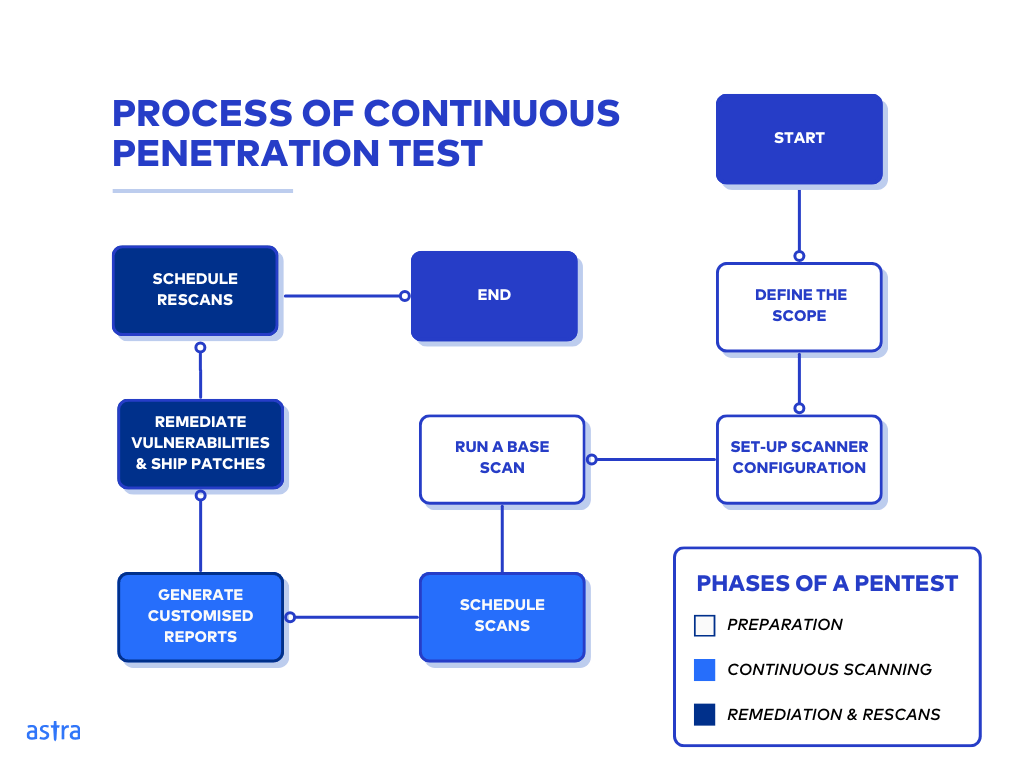
What Does This Mean for Cybersecurity Officers?
As a cybersecurity officer, you face the practical challenge of implementing CMMC requirements within existing network architectures. Since technical transformations such as these often exceed what organizations initially anticipate, it is essential to be adept at implementing fundamental changes regarding how systems interconnect and protect sensitive data.
The superficial requirement for a network architecture to protect CUI necessitates separating sensitive information from general business systems. This entails devising dedicated network segments that process CUI with appropriate isolation and monitoring, followed by Multi-factor authentication that protects all access points to these segments, not just primary user interfaces.
Next, data loss prevention systems should monitor all egress points to prevent unauthorized exfiltration. Encrypted storage using FIPS 140-2 validated encryption becomes mandatory, rather than optional. SIEM integration becomes necessary to provide a continuous monitoring capability that assessors will validate during your certification reviews.
| Phase | Duration | Key Activities | Success Metrics |
|---|---|---|---|
| 1. Discovery | 4-6 weeks | Asset inventory, CUI mapping, gap assessment | 100% systems documented |
| 2. Design | 6-8 weeks | Architecture planning, control selection | Approved implementation plan |
| 3. Implementation | 12-16 weeks | Control deployment, testing, and validation | 110 controls operational |
| 4. Optimization | 4-6 weeks | Tuning, documentation, and evidence collection | Assessment readiness verified |
What Falls Under Assessment Preparation and Execution?
| CMMC Status | Source & Number of Security Reqts. | Assessment Reqts. | Plan of Action & Milestones (POA&M) Reqts. | Affirmation Reqts. |
|---|---|---|---|---|
| Level 1 (Self) | 15 required by FAR clause 52.204-21 | Conducted by Organization Seeking Assessment (OSA) annually. Results entered into SPRS | Not permitted | After each assessment and annually thereafter. Entered into SPRS |
| Level 2 (Self) | 110 NIST SP 800-171 R2 required by DFARS clause 252.204-7012 | Conducted by OSA every 3 years. Results entered into SPRS. CMMC Status valid for three years from CMMC Status Date | Permitted as defined in § 170.21(a)(2); must be closed out within 180 days. Final CMMC Status valid for three years | After each assessment and annually thereafter. Assessment will lapse upon failure to annually affirm. Entered into SPRS |
| Level 2 (C3PAO) | 110 NIST SP 800-171 R2 required by DFARS clause 252.204-7012 | Conducted by C3PAO every 3 years. Results entered into CMMC Enterprise Mission Assurance Support Service (eMASS). Status valid for three years | Permitted as defined in § 170.21(a)(2); must be closed out within 180 days. Final CMMC Status is valid for three years | After each assessment and annually thereafter. Assessment will lapse upon failure to annually affirm. Entered into SPRS |
| Level 3 (DIBCAC) | 110 NIST SP 800-171 R2 required by DFARS clause 252.204-7012; 24 selected from NIST SP 800-172 Fed . 2021, as detailed in table 1 § 170.14(c)(4) | Pre-requisites: CMMC Status of Level 2 (C3PAO) for the same CMMC Assessment Scope, for each Level 3 certification assessment. Conducted by DIBCAC every 3 years. Results entered into CMMC eMASS. CMMC Status is valid for three years | Permitted as defined in § 170.21(a)(3); must be closed out within 180 days. Final CMMC Status is valid for three years. | After each assessment and annually thereafter. Assessment will lapse upon failure to annually affirm. Level 2 affirmation must also continue; entered into SPRS |
Pre-Assessment Readiness Activities
90 days before assessment, you need to complete a comprehensive self-assessment using the DoD Assessment Methodology to identify any remaining gaps. All identified issues here require remediation and validation before you can schedule the formal assessment. You can also carry out tabletop exercises that help personnel understand their responsibilities and potential issues before the assessors arrive.
60 days before assessment, you schedule the C3PAO engagement. Please note that qualified assessors often experience significant wait times. The System Security Plan (SSP) requires finalizing the documentation of all technical controls, along with their mapping to CMMC requirements, while the Plan of Action and Milestones must address accepted risks with appropriate justification and mitigation strategies.
The 30 days before assessment represent the final preparation phase, during which you conduct mock assessments to identify any remaining issues. You once again validate all technical controls to ensure they function as documented. Documentation gets the final review and updates to ensure accuracy and completeness. Post that debrief to executive leadership on the assessment processes and their role in ensuring the CMMC certification is an organization-wide success.
C3PAO Selection and Engagement
When assessing which C3PAO to engage, DoD experience carries the highest weight, as assessors familiar with defense contractor environments and the CMMC requirements can best help you create congruence in both.
Technical expertise matters when it comes to evaluation, focusing on certified assessor credentials and competency. Another metric for evaluation would be their industry reputation; the higher the client references and documented success rates, the fewer delays and accurate mapping, along with smoother CMMC certification implementations.
Furthermore, geographic coverage also matters because on-site assessment capabilities are often necessary for a comprehensive evaluation. Lastly, a cost structure focuses on transparent pricing and clearly defining scopes, rather than simply opting for the cheapest option and later uncovering a host of hefty hidden costs.
| Evaluation Factor | Weightage | Key Questions to be based on |
|---|---|---|
| DoD experience | 30% | Previous defense contractor assessments |
| Technical expertise | 25% | Certified assessor credentials |
| Industry reputation | 20% | Client references and success rates |
| Geographic coverage | 15% | On-site assessment capabilities |
| Cost structure | 10% | Transparent pricing and scope |
How to Maintain CMMC Compliance?
Achieving CMMC certification marks the beginning of an ongoing compliance journey rather than the end of your security obligations.
Post-certification requires ongoing vigilance:
- Daily: Log review, vulnerability alerts, access reviews
- Weekly: Patch status, configuration drift, metric analysis
- Monthly: Risk register updates, control testing, KPI reporting
- Quarterly: Tabletop exercises, vendor assessments, policy reviews
- Annually: Comprehensive self-assessment, training updates, and architecture review
How is Change Management Linked to Impact Assessment?
Change management is critical because all your systems are interwoven and connected to the security controls; thus, any modification will most likely impact them. You need to establish procedures that determine the scope of changes within the CUI boundary and assess the control impacts across all 14 families.
Documenting modifications in the System Security Plan and Plan of Action and Milestones is also essential, as it serves as a reference manual for future changes and to backtrack in cases of devising a remediation strategy.
Also, validate the effectiveness of your security controls (including VAPT assessments, SIEM systems, encryptions, etc.) through appropriate testing, and update evidence repositories for the next assessment cycle.
We understand that balancing operational efficiency with security requirements is a challenge that every organization, irrespective of its size, faces. However, integrating compliance activities into daily operations typically makes maintenance less burdensome than when it is done as a separate compliance activity.
How can Astra Security Streamline CMMC Certification?
Astra Security strengthens your CMMC readiness by combining automated, vetted, and manual pentests into one continuous security platform. With over 15,000 AI-powered test cases and expert-led manual assessments, vulnerabilities that matter are identified, helping teams validate controls, close gaps, and maintain a secure environment across releases.
With audit-ready reports, video PoCs, and seamless CI/CD integrations, Astra ensures compliance doesn’t slow engineering. Continuous scans, targeted rescans, and API security coverage keep your defenses aligned with evolving DoD cybersecurity expectations.
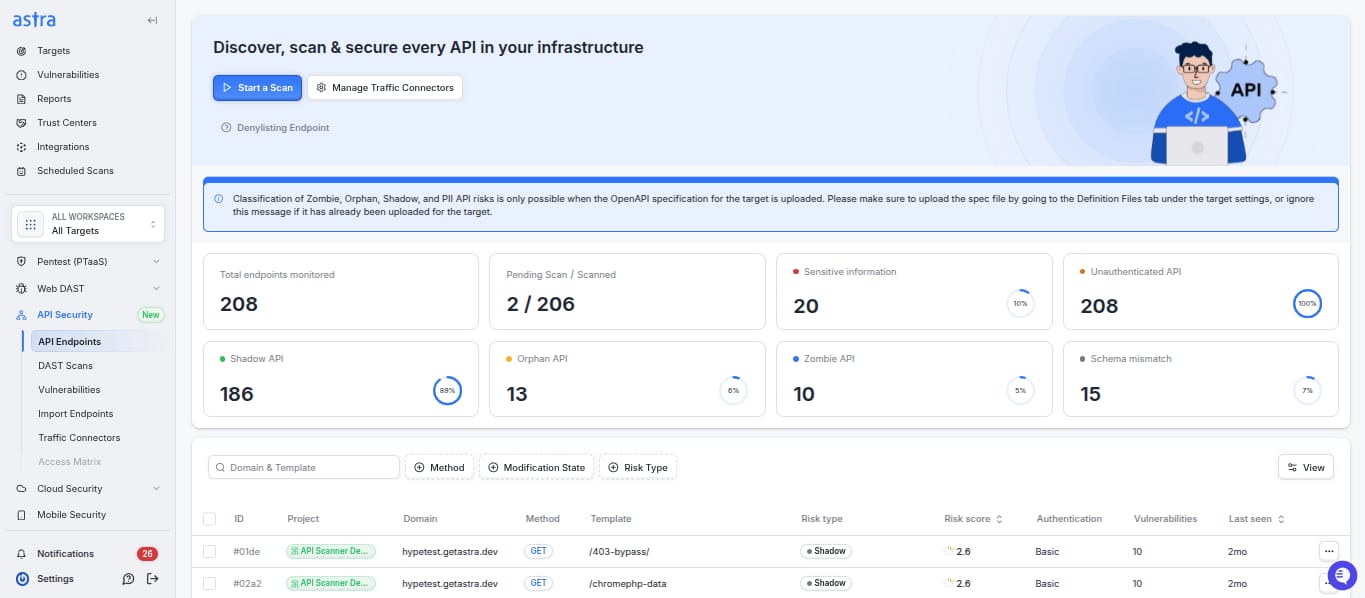
What Astra Security Delivers:
- 15,000+ test cases powered by AI-driven logic testing
- Zero false positives in vetted scan mode
- Expert-led pentests with public certification and free rescans
- Audit-ready reports mapped to risk and financial impact
- Continuous validation through automated rescans and Trust Center visibility
Ready to make CMMC certification pentesting faster, simpler, and audit-ready with Astra?

Final Thoughts
CMMC certification represents a matter of survival rather than an optional enhancement for defense contractors. The transition from self-attestation to third-party validation fundamentally changes how you need to approach cybersecurity, systematic implementation of comprehensive security programs, rather than relying on basic compliance measures.
Investing in robust security programs, implementing comprehensive monitoring capabilities, and partnering with experienced providers positions you as a preferred supplier in the evolving defense marketplace.
With proper planning, expert guidance, the right vendors, and sustained executive commitment, CMMC certification becomes not just achievable but a significant competitive differentiator for you, opening opportunities while protecting critical national security information.
FAQs
How much does CMMC Certification Cost?
CMMC certification can cost you between $5,000 and $4 million. It all depends on your current network architecture, security posture, types of data you handle, current NIST controls implemented, C3PAO costs, and many other factors. The number above provides a rough estimate.
How long is CMMC certification valid?
Level 1 mandates an annual self-assessment, while Levels 2 and 3 remain valid for three years. Additionally, Level 3 of the CMMC model requires yearly surveillance reviews to ensure continuous compliance and control effectiveness.
What happens if we fail the initial assessment?
If you fail the initial assessment, you can address identified gaps and request a reassessment. However, the failure may be recorded in SPRS, potentially affecting your contract eligibility and competitiveness until all remediation actions are completed and verified.