Key Takeaways:
- Most cloud breaches trace back to customer-side mistakes like over-permissioned IAM roles and publicly exposed storage, flaws that sit in the configuration and identity layer where scanners and standard web tests rarely look.
- Pick a provider by fit rather than brand: match your cloud setup, your delivery model, and the depth you need to one of five archetypes before you build a shortlist.
- A pentest earns its cost only when it proves exploitability, so insist on reports that trace the full path from a weak role to real data, rather than a list of misconfigurations.
- A project-based cloud test runs roughly $10,000 to $50,000. Run one at least once a year and after major changes, and pair it with continuous validation to catch new gaps in between.
Most cloud breaches begin with a configuration error the customer made. Gartner projected that through 2025, 99% of cloud security failures would be the customer’s responsibility, caused by misconfigured identity and access management, exposed storage, and over-permissioned services.
Cloud penetration testing is the simulation of real-world attacks against cloud infrastructure on AWS, Azure, and GCP to find those exploitable gaps before an attacker does.
A vulnerability scanner or a standard web application test rarely reaches these gaps. They sit in the configuration and identity layer that those tools were never built to examine, which means the wrong testing partner can return a clean report while the real exposure stays open. Most cloud penetration testing comparisons rank vendors by brand size.
But Astra compares them by fit: which provider matches your cloud setup, your delivery model, and the depth of testing you actually need.
Best Cloud Penetration Testing Providers in 2026
- Astra Security
- Bishop Fox
- Rhino Security Labs
- NetSPI
- BreachLock
- NCC Group
- Mandiant
- GuidePoint Security
- Synack
- HackerOne
- Horizon3.ai (NodeZero)
- SentinelOne & Wiz
How we Compared Various Cloud Penetration Testing Providers
Brand size tells you nothing about whether a provider can test your specific cloud setup. To rank by fit instead, every provider here was measured against the same six dimensions:
- Cloud coverage: which platforms they test, for example, AWS, Azure, GCP, multi-cloud, or private cloud.
- Manual testing depth: how much of the work is human-led exploitation versus automated scanning.
- Delivery model: manual project, PTaaS, crowdsourced, or hybrid.
- Retest inclusion: whether validation of your fixes is built into the engagement or billed separately.
- Certifications and compliance: credentials such as CREST, OSCP, and FedRAMP, as well as support for PCI DSS, SOC 2, and HIPAA.
- Reporting and remediation: whether findings prove exploitability and show the attack path, or only list misconfigurations.
Find Your Fit
The right provider depends less on reputation and more on what your environment and program actually need. Use the situation that matches yours to point to the archetype that fits:
| Archetype | Use-Case |
|---|---|
| Boutique manual-exploit specialists | You need deep, manual exploitation of a single cloud and a mature security program. |
| PTaaS platforms | You release code frequently and want testing tied into your development cycle. |
| Enterprise security consultancies | You run multi-cloud at scale and need compliance evidence and advisory support. |
| Crowdsourced platforms | You want broad coverage of internet-facing assets and have an in-house team to manage findings. |
| Cloud-native validation platforms | You need continuous posture checks and automated exploit validation between human tests. |
Different Providers Based on Archetype
Every provider solves different problems, so they are grouped into five archetypes.
1. Boutique Manual-Exploit Specialists
These firms run small teams of expert testers who chain weaknesses together by hand rather than rely on scanners.
- Bishop Fox: Objective-based manual testing that proves how an attacker reaches privileged credentials or sensitive data. They are best for large or regulated organizations that want adversary-grade testing and have a mature program. But you should skip them if you need a low-cost compliance checkbox or a continuous DevOps-integrated subscription.
- Rhino Security Labs: A cloud-focused boutique with the deepest AWS exploitation pedigree, including the open-source Pacu framework. They are best for AWS-heavy teams wanting precise, hands-on testing. But skip them if you need enterprise-scale multi-region delivery or a self-service platform.
2. PTaaS Platforms
Penetration Testing as a Service combines human testers with a platform that delivers findings in real time and fits into a release cycle. The trade-off is among depth, speed, and continuity.
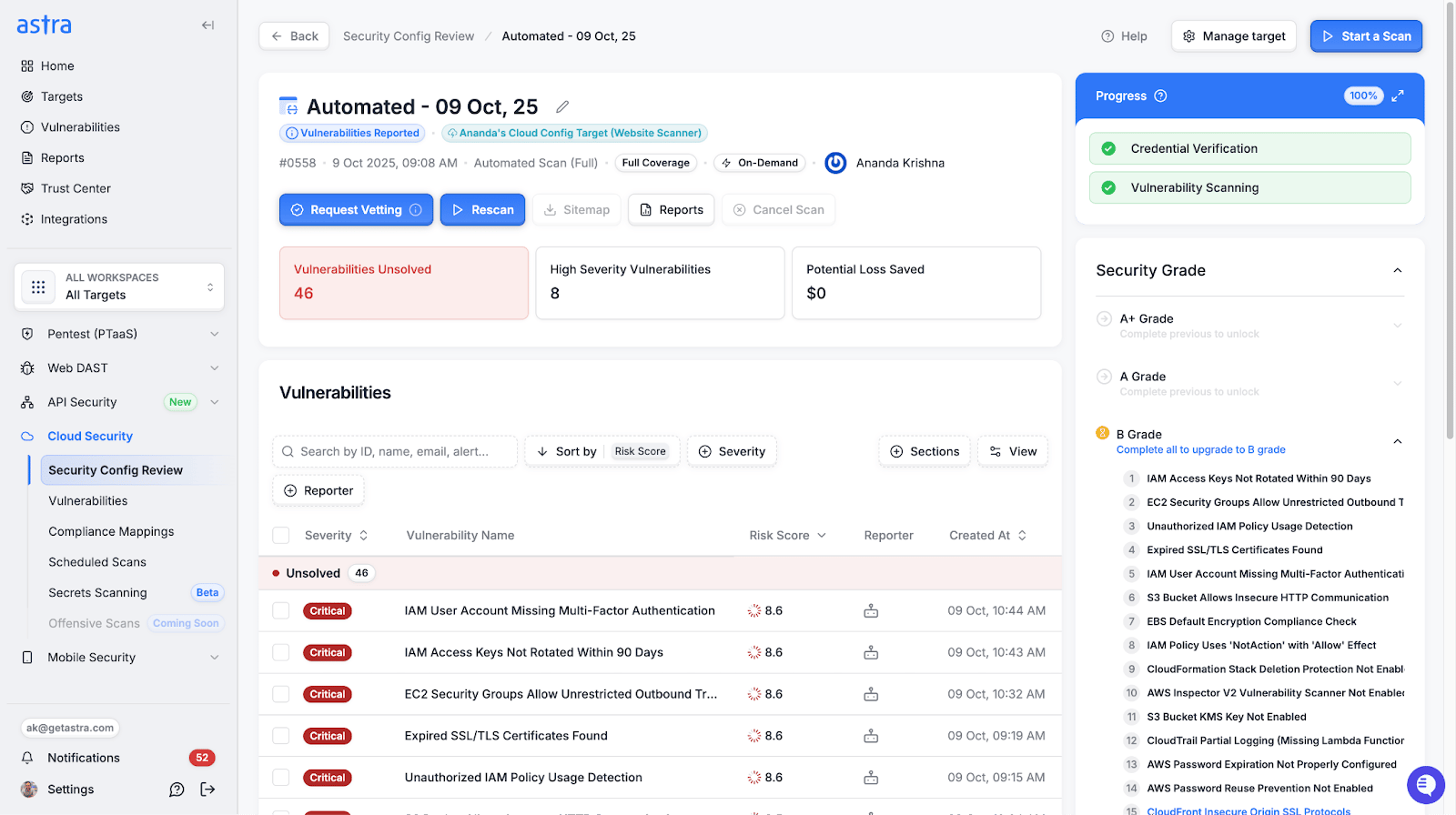
- Astra Security: A CREST-accredited PTaaS and continuous exposure platform that pairs an automated scanner running thousands of checks with manual exploitation from in-house experts, and vets findings to remove false positives. They are best for SaaS and cloud-first teams that want continuous automated coverage backed by expert manual validation and audit-ready reports. Astra’s main strength is continuous coverage with expert validation, not bespoke human-only engagements.
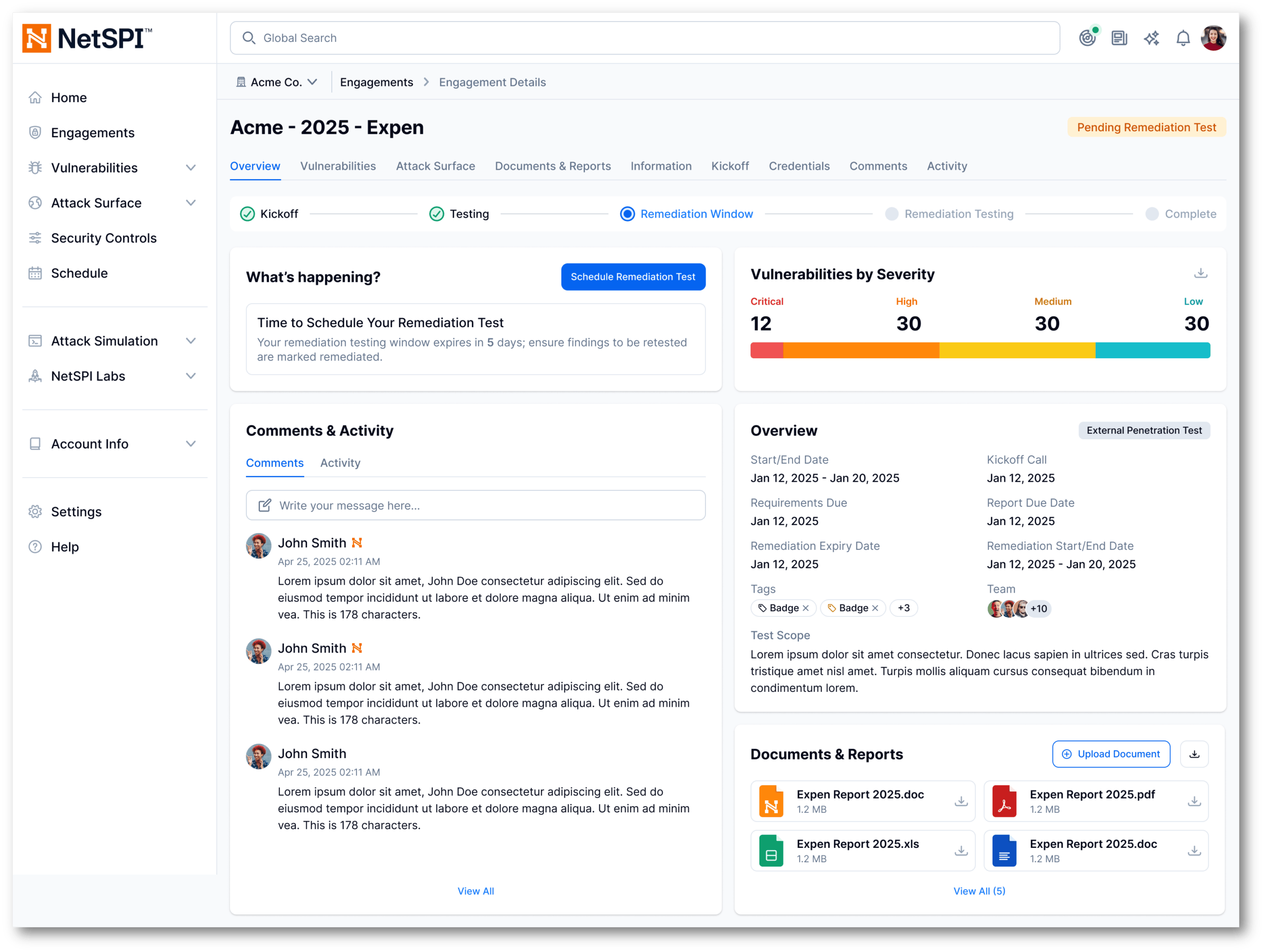
- NetSPI: The most manual-heavy of the platforms, with 350+ in-house testers and the NetSPI Platform for tracking findings. They are best for mid-market to enterprise teams that want platform delivery without sacrificing tester depth. But skip them if you want the lowest-cost option.
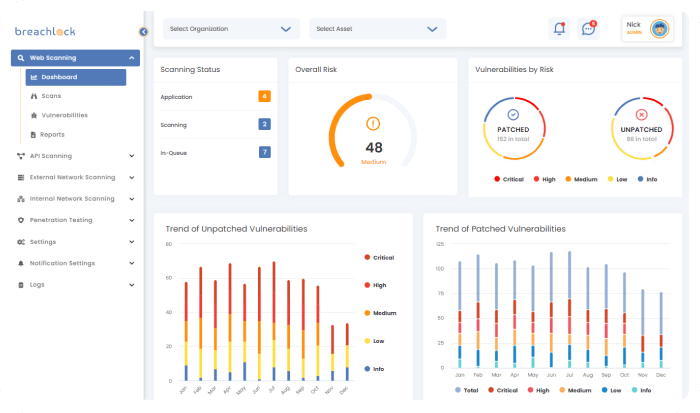
- BreachLock: A full-stack PTaaS platform that runs AI-driven automation up front and routes the complex findings to its own in-house, CREST-certified testers, with attack surface management and unlimited one-click retesting in the same workflow. They are best for teams that want asset discovery, automated testing, and certified pentesting on a single platform rather than separate tools. But skip them if you want deep, human-only exploitation of a single cloud rather than an automation-led platform.
3. Enterprise Security Consultancies
These firms test multi-cloud at scale and pair testing with compliance and advisory work. They carry the highest credentials and the highest prices.

- NCC Group: A large global consultancy with 420+ offensive experts and threat-led testing for regulated sectors. They are best suited for government, financial, and critical infrastructure organizations. But skip them if you are a small team needing a quick, low-cost test.
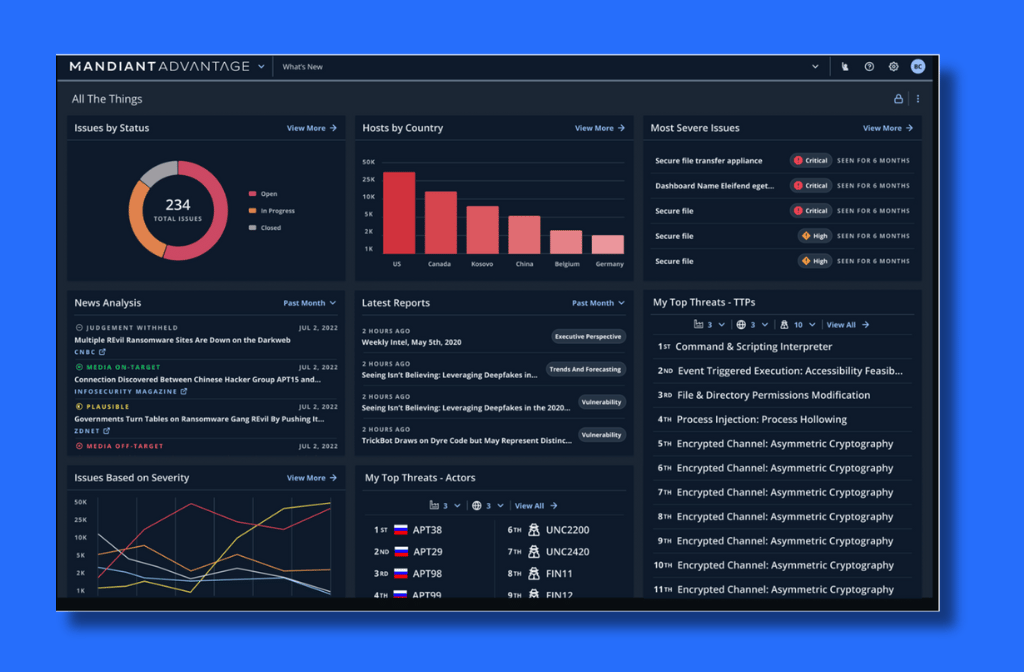
- Mandiant: Part of Google Cloud, with red teaming driven by frontline incident-response intelligence. They are best for enterprises facing sophisticated attackers or recovering from a breach. But skip them if you only need routine compliance testing.
- GuidePoint Security: A US consultancy that packages cloud testing with strategy, architecture, and roadmap work. They are best for teams wanting a pentest alongside cloud security program guidance. But skip them if you want a pure-play offensive boutique with no advisory layer.
4. Crowdsourced Platforms
These platforms route work to large communities of vetted researchers, giving broad coverage of internet-facing assets.
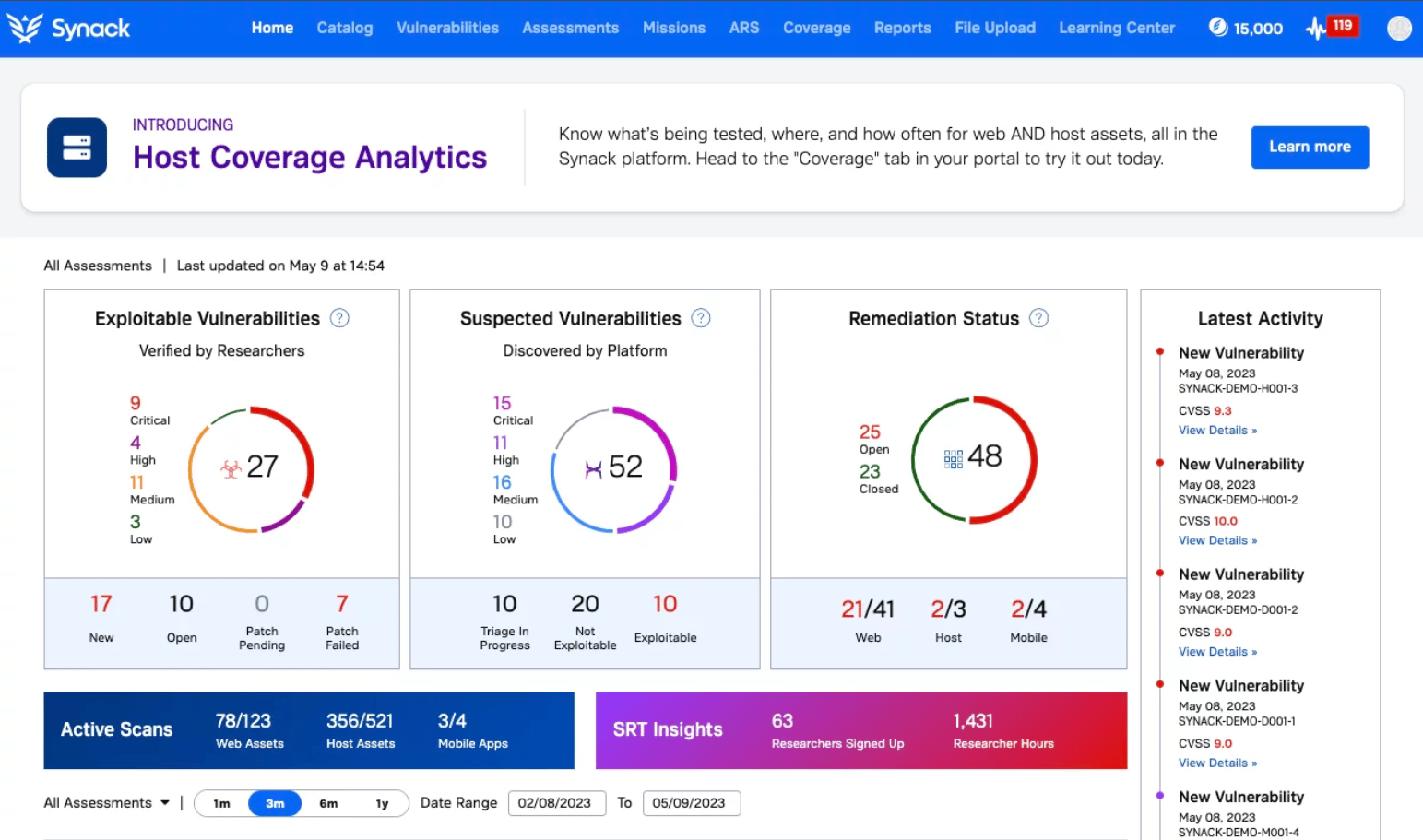
- Synack: A managed crowdsourced model with the 1,500+ Synack Red Team and AI-driven triage, holding FedRAMP Moderate. They are best for large or public-sector organizations needing continuous, vetted coverage. But skip them if you need the same testers each cycle or deep cloud-internal review.
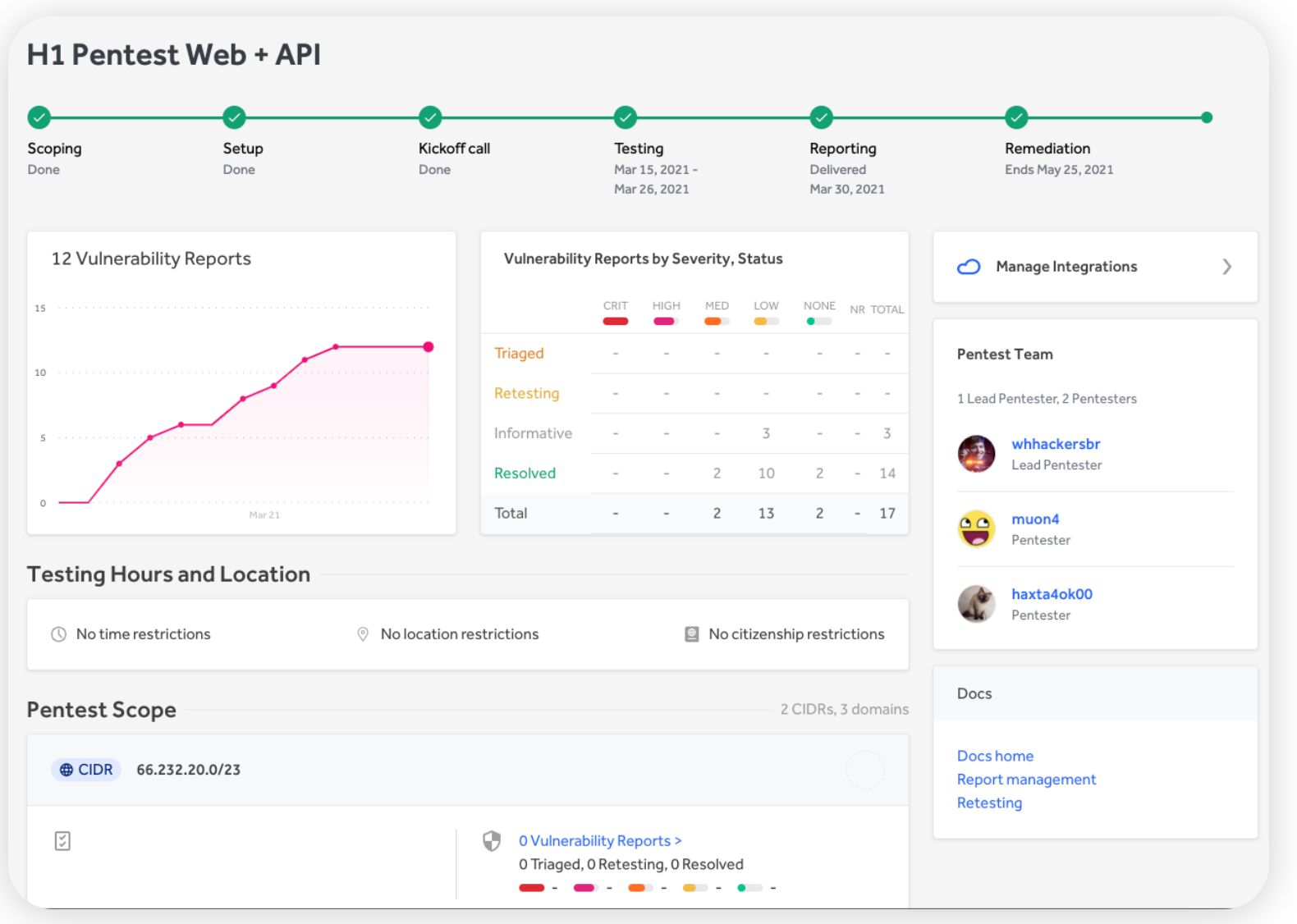
- HackerOne: The largest crowdsourced community, offering bug bounty, PTaaS, and AI red teaming in one place. They are best for teams with in-house staff to manage a steady flow of findings. But skip them if you need a structured, repeatable cloud-config pentest using a single consistent methodology.
5. Cloud-native Validation Platforms
These tools run continuously between human tests, either checking posture or automating exploit validation. They are not a replacement for a human-led pentest.
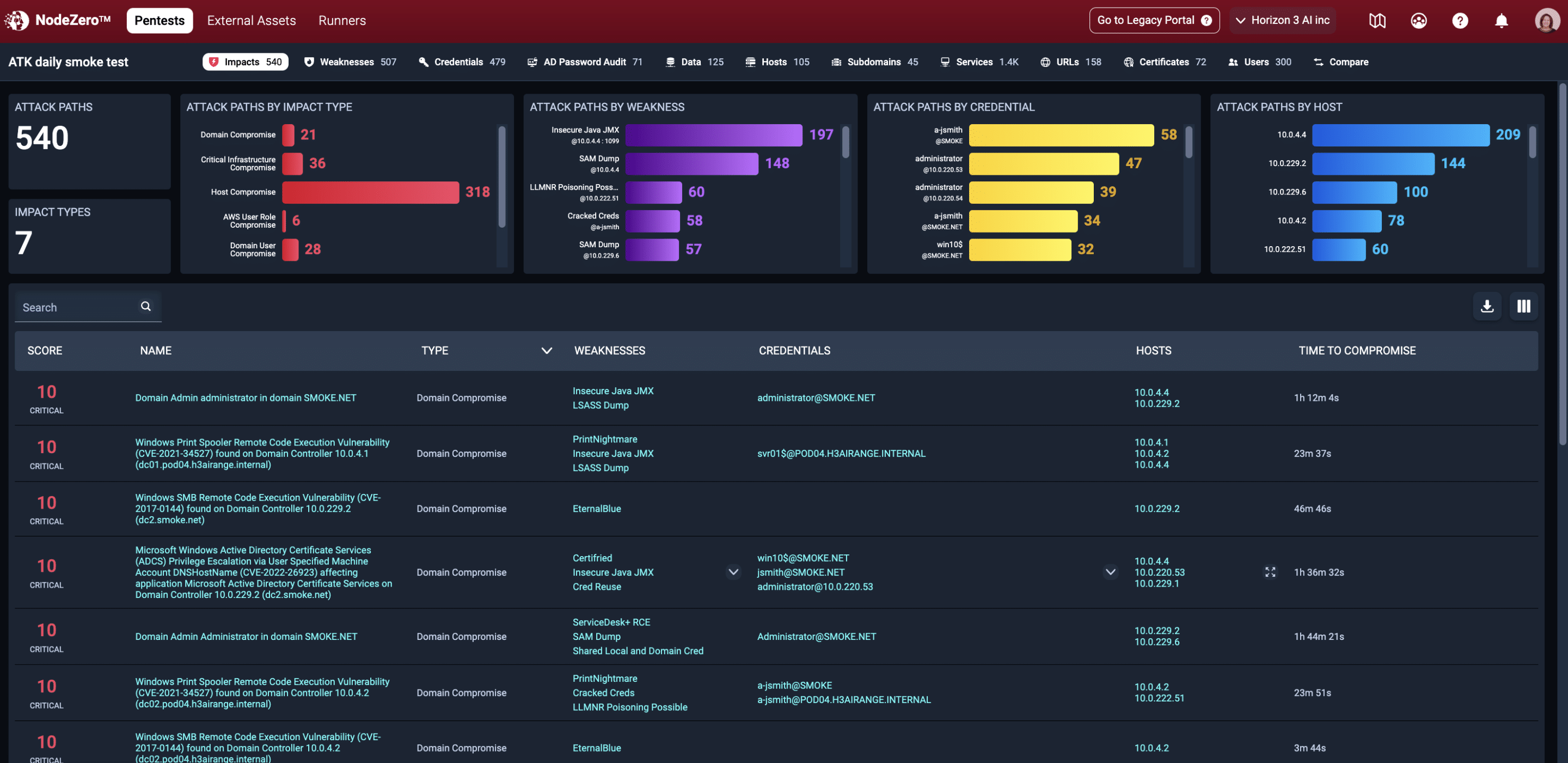
- Horizon3.ai (NodeZero): Autonomous penetration testing that chains real attack paths across cloud and hybrid environments, including IAM and Entra ID. They are best for teams that want frequent attack-path checks between manual tests. But skip them if you need creative human testing or air-gapped deployment.
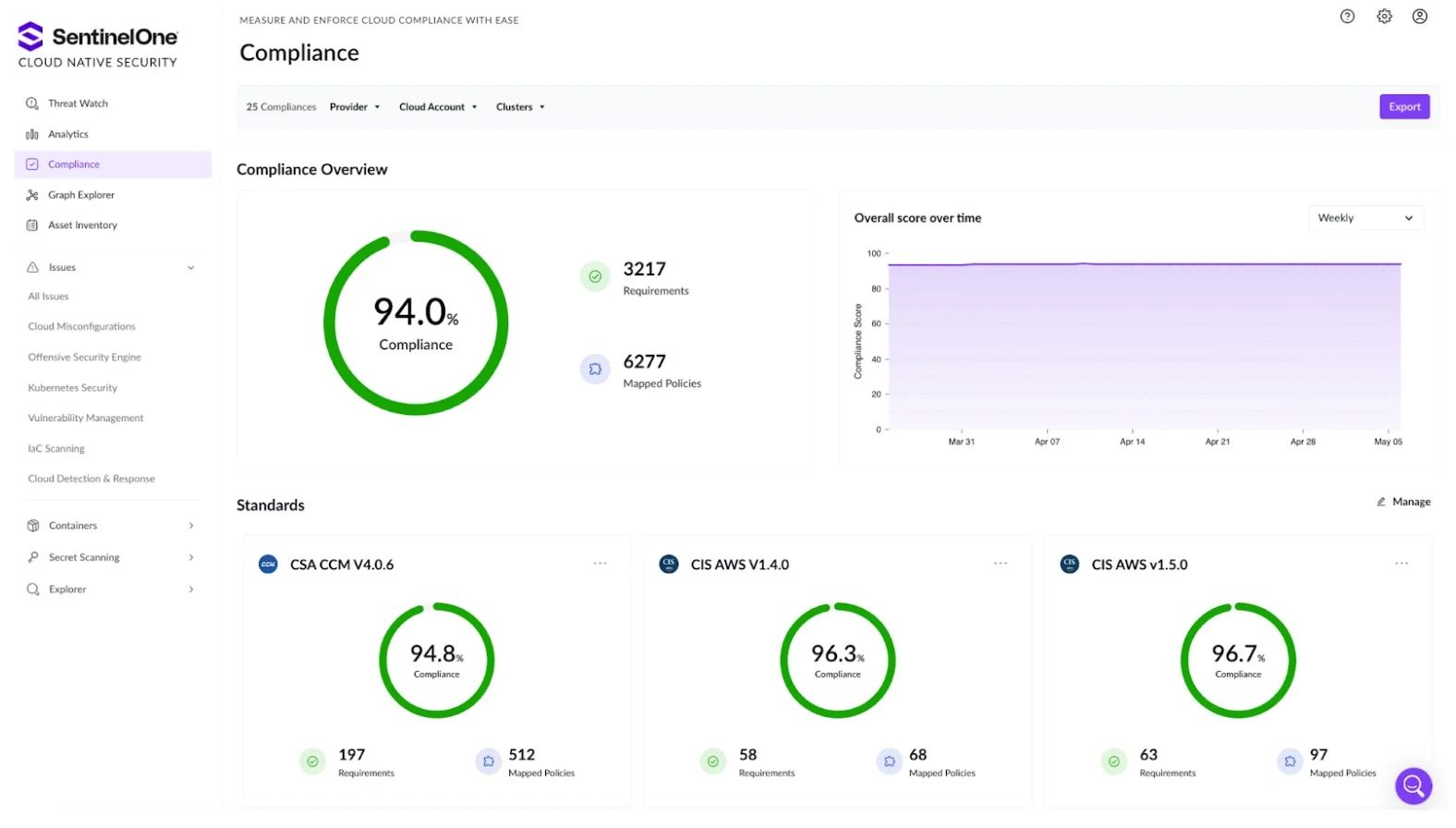
- SentinelOne and Wiz (CNAPP): Continuous posture platforms that find misconfigurations across multi-cloud. SentinelOne adds verified exploit paths, and Wiz maps risk as connected attack paths. They are best for ongoing visibility into cloud misconfigurations at scale. But skip them if you need a human-led pentest to satisfy frameworks like PCI DSS.
The Apples-to-Apples Comparison Table
| Provider | Archetype | Clouds | Delivery Model | Manual Depth | Retest Included | Best For |
|---|---|---|---|---|---|---|
| Astra Security | PTaaS + continuous | AWS, Azure, GCP | PTaaS + scanning, human-validated | Medium-high | Unlimited rescans | SaaS and cloud-first teams wanting continuous coverage + expert validation. |
| Bishop Fox | Boutique manual | AWS, Azure, GCP, K8S | Manual project + platform | Very high | Yes | Regulated enterprises wanting adversary-grade testing. |
| Rhino Security Labs | Boutique manual | AWS, GCP, Azure | Manual project | High | Project-based | AWS-heavy teams needing deep manual testing. |
| NetSPI | PTaaS | AWS, Azure, GCP | PTaaS, human-led | High | Yes | Mid-market to enterprise wanting depth on a platform. |
| BreachLock | PTaaS | AWS, Azure, GCP, K8S | PTaaS + AI, human-led | Medium-high | Unlimited | Teams wanting ASM and certified pentesting in one platform. |
| NCC Group | Enterprise consultancy | Multi-cloud, hybrid | Manual project | High | Yes | Government, finance, critical infrastructure. |
| Mandiant | Enterprise consultancy | AWS, Azure, GCP | Manual, intel-led | Very high | Yes | Enterprises facing advanced threats or post-breach. |
| GuidePoint | Enterprise consultancy | AWS, Azure, GCP, Oracle | Manual + advisory | High | Yes | Teams wanting a pentest plus program guidance. |
| Synack | Crowdsourced | Cloud, web, API | Crowdsourced PTaaS | Medium-high | Yes | Extensive or public-sector continuous coverage. |
| HackerOne | Crowdsourced | Broad, selectable | Crowdsourced + hybrid | Medium | Varies | Teams with staff to manage findings. |
| Horizon3.ai | Cloud-native validation | AWS, Azure, K8S, hybrid | Autonomous testing | Automated | Unlimited | Continuous attack-path checks between tests. |
| SentinelOne and Wiz | Cloud-native validation | AWS, Azure, GCP | Continuous posture | Low (automated) | Continuous | Ongoing misconfiguration visibility at scale. |
What Services are Provided
A cloud penetration test covers the layers where cloud breaches actually start. Most providers in this list deliver the following components, though the depth of each varies by archetype:
- IAM and identity testing: reviewing users, roles, and trust relationships to find privilege escalation paths, over-permissioned accounts, and weak credential hygiene such as long-lived keys or missing MFA.
- Storage and data exposure: checking for public buckets, blob containers, and databases that expose sensitive data, and confirming whether that data can actually be reached.
- Misconfiguration review: examining cloud service settings against benchmarks to find insecure defaults, open ports, and weak network controls.
- Privilege escalation and lateral movement: proving whether a compromised role or account can reach further resources, escalate to admin, or pivot from one account, subscription, or project to another.
- External and internal testing: probing public-facing services from an outside attacker’s view, then testing from an authenticated foothold inside the environment.
- Logging and detection gaps: confirming whether attacker activity is logged, whether logs are protected from tampering, and whether alerts fire.
What Cloud Penetration Testing Costs
Pricing depends on the model and the size of the environment, not on a fixed rate card. Before reviewing the numbers, it helps to know what moves them.
- Project-based testing: a standard cloud engagement runs roughly $10,000 to $50,000. Larger scopes covering multiple accounts, multi-cloud setups, or red-team objectives can reach $50,000 to $150,000 or more.
- PTaaS subscriptions: annual programs run roughly $20,000 to $100,000 or more, and often cost less per test than stacking separate engagements because retests and continuous coverage are built in.
- Autonomous and posture platforms: autonomous testing tools run roughly $35,000 to $50,000 per year; continuous posture platforms range from about $50,000 into the hundreds of thousands at enterprise scale.

The Bottom Line
A cloud pentest is only worth what it proves. A report full of green checks tells you nothing if no one tried the paths an attacker would take, and that gap is where most breaches start.
So judge a provider on evidence, not brand: does its work trace the real route from a misconfigured role to your data, and does it suit the cloud you actually run? Answer that, and the shortlist narrows on its own. Match your environment to the archetype that fits, then choose from inside it.
If you are a SaaS or cloud-first team that wants continuous coverage backed by expert validation, that is where Astra fits. See what an Astra cloud pentest surfaces in your own environment, and get an attack-path report your auditors can use. Start with Astra.
FAQs
What is the difference between a cloud security audit and cloud penetration testing?
A cloud security audit checks whether your configuration matches best practices and benchmarks. A penetration test goes further by exploiting weaknesses to prove they are reachable and showing the real business impact.
How do I know if a provider does real manual testing versus just scanning?
Ask whether the report shows full attack paths, not just a list of misconfigurations. Real testing demonstrates how one weakness leads to the next. A scan-only output repeats benchmark findings without proving exploitability.
Do I need permission from AWS, Azure, or GCP before a test?
For most testing of your own resources, no. AWS, Azure, and GCP all permit testing within your own account without prior approval. AWS still requires a form for activities such as denial-of-service simulation and DNS zone walking, and testing the provider’s own infrastructure is always prohibited.
How often should we run a cloud pentest?
At least once a year, and after any significant change to your cloud setup. Many teams pair an annual manual test with a continuous validation tool to catch new misconfigurations between tests.
What certifications matter for cloud pentesting?
Look for OSCP, OSCE, and CREST for offensive skill, and CHECK or CBEST for regulated work. Cloud-specific knowledge of AWS, Azure, or GCP identity models matters as much as the certification itself.
How much does it cost?
A standard cloud pentest runs roughly $10,000 to $50,000, with larger engagements higher. PTaaS subscriptions like Astra’s run on published, tiered pricing, often lower per test because rescans and continuous coverage are included.